Home / Articles
Treatments for Uneven Skin Tone and Texture
Home / Articles
Treatments for Uneven Skin Tone and Texture
To be honest, uneven skin tone and texture rarely come from a single cause — and they’re almost never solved by a single cream or one dramatic treatment. What many people in Gangnam overlook is that tone and texture problems often coexist because the skin ages, renews itself, and responds to stress in interconnected ways.
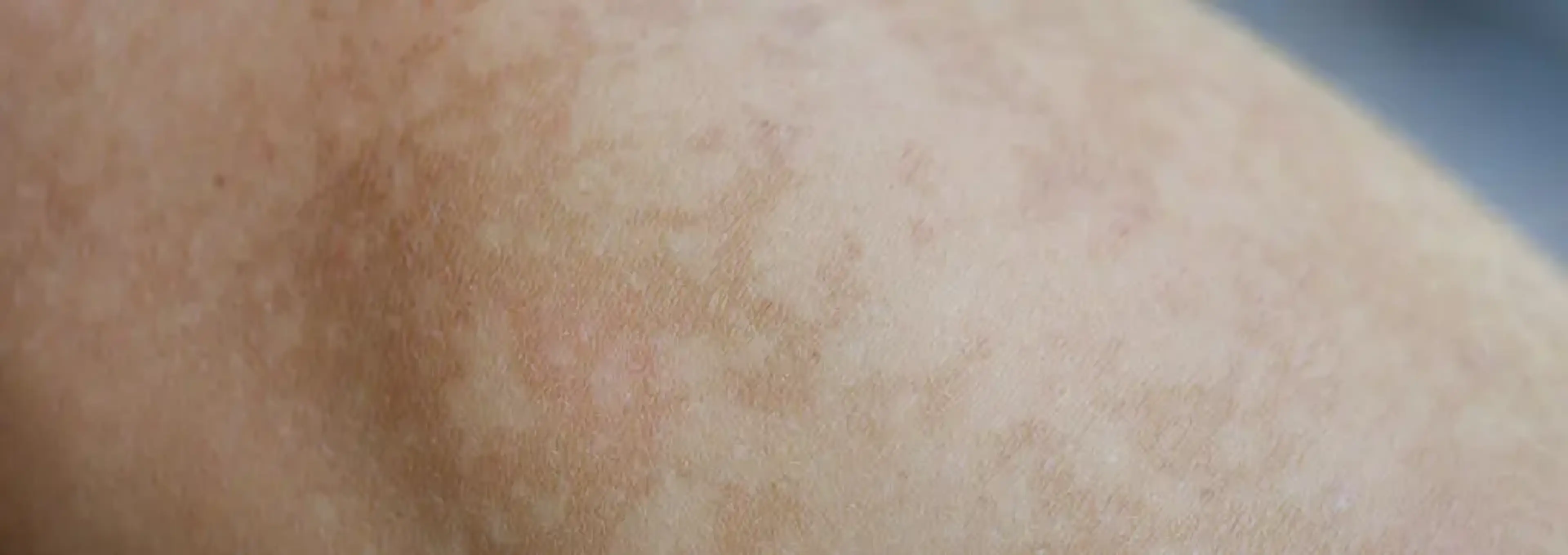
Uneven skin tone is one of the most misunderstood concerns in Korean skincare culture. Many patients assume all discoloration is melasma — or that brightening creams alone can fade it.
In reality, uneven tone can include:
Dark spots caused by:
UV exposure
Hormonal shifts
Heat or inflammation
Acne staining (PIH: post-inflammatory hyperpigmentation)
Not all tone problems are brown — many are red:
Broken capillaries
Rosacea
Post-acne redness
Sensitivity flare-ups
These require entirely different treatment approaches from pigmentation.
This is extremely common in patients in their 30s–50s:
Slowed cell turnover
Loss of hydration
Microtexture irregularities
Early collagen reduction
Dullness isn’t a “color”—it’s a sign the skin is renewing itself less effectively.
At Delight Dermatology, we always start with a diagnostic approach because misidentifying the cause is the number-one reason home treatments fail.
Common reasons texture becomes irregular:
Often worsened by:
Excess oil production
Collagen weakening around pore walls
Repetitive inflammation (acne, UV, heat)
Even when active acne has healed, the “memories” remain:
Shallow depressions
Small bumps
Pitted texture
Red or brown leftover marks
We see many patients who have never been formally treated for acne but struggle with the long-term aftermath.
Lines create micro-shadows that disrupt smoothness, especially around:
Under-eyes
Nasolabial region
Forehead
In your 20s, collagen is like firm scaffolding under the skin. By your 30s and 40s, that scaffolding weakens, creating unevenness and textural shadows.
From our experience as dermatologists — and from treating diverse skin conditions at our Gangnam clinic — here are the treatments that genuinely make a visible difference.
Lasers are indispensable in modern Korean dermatology. But not all lasers target the same things, and using the wrong one can worsen pigmentation (especially melasma).
Ideal for:
General brightening
Dullness
Fine pigmentation
This laser gently disrupts pigment particles while minimizing downtime.
Stubborn sunspots
Freckles
Pigmented acne marks
Mixed-type pigmentation
These treat:
Redness
Acne marks
Broken capillaries
Rosacea-related flushing
Color issues aren’t only brown — vascular lasers are essential for achieving an even tone.
Short sessions
Minimal downtime
Immediate brightness boost
Even the best lasers require:
Proper diagnosis
Multiple sessions
Sun protection (crucial!)
At Delight Dermatology, we frequently use fractional resurfacing techniques because they stimulate collagen deeply while refining the skin’s surface.
Best for:
Acne scars
Rough texture
Enlarged pores
Fine lines
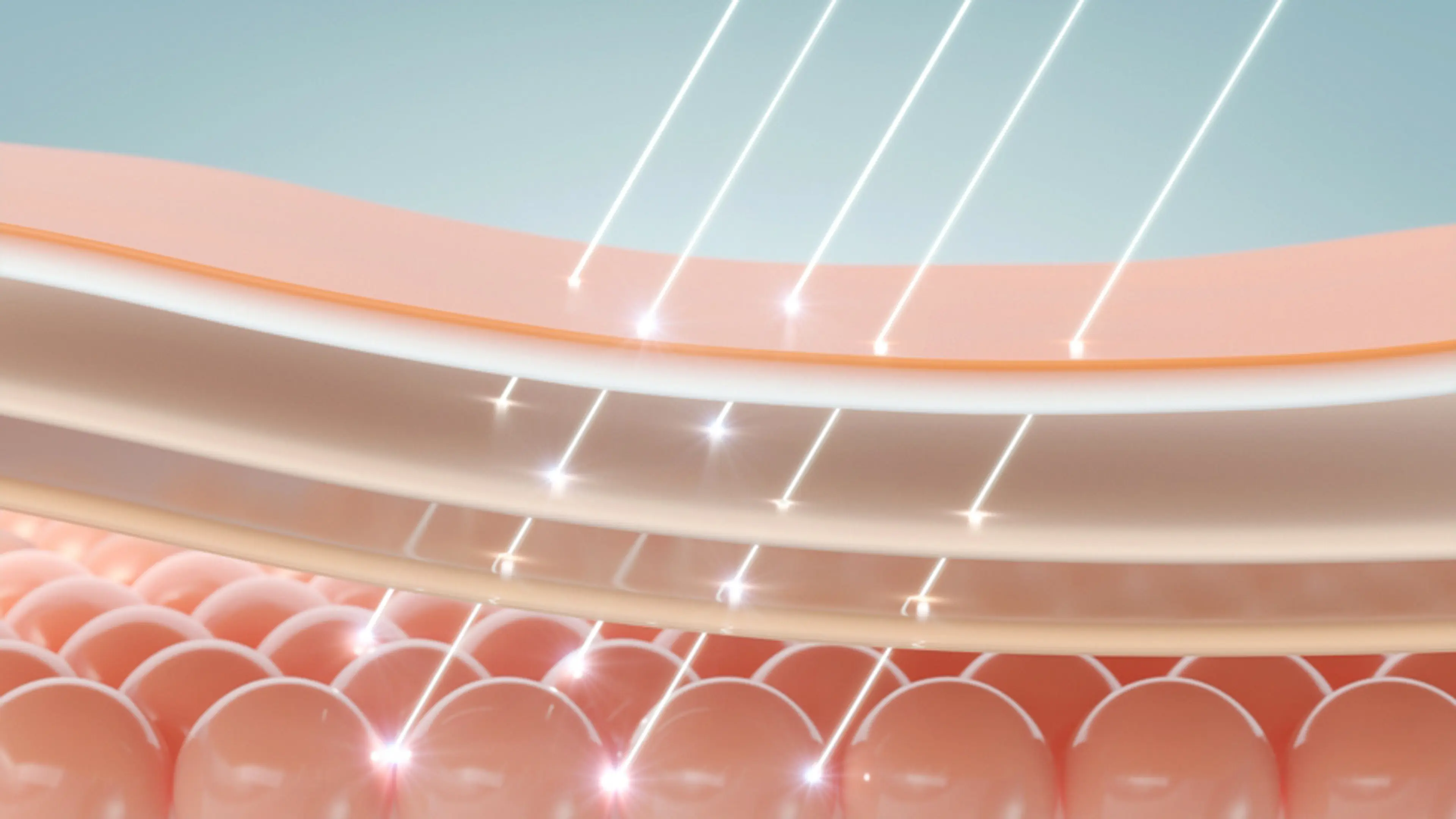
They create microscopic treatment zones that prompt the skin to heal with new, smoother tissue — similar to rebuilding tiny sections of the skin’s surface.
Potenza is one of the most requested treatments at our clinic because it addresses texture AND firmness simultaneously.
It works by:
Creating microchannels with ultrafine needles
Delivering radiofrequency energy deep into the dermis
Triggering collagen and elastin production
Perfect for:
Uneven texture
Enlarged pores
Mild acne scarring
Early laxity
Overall rejuvenation
Unlike traditional microneedling, RF microneedling reshapes the deeper layers — think of it as reorganizing the “architecture” of your skin, not just polishing the surface.
While these devices are often marketed as anti-aging treatments, they also play a major role in improving texture.
Tightens deeper structural layers
Defines the jawline
Smooths crepey skin
Strengthens the collagen network
Improves fine lines and surface smoothness
Enhances elasticity
When collagen support increases, the skin surface naturally looks smoother and more refined.
Professional-grade peels remain a dermatologist’s classic tool.
They help with:
Dullness
Pigmentation
Rough patches
Uneven skin renewal
Unlike harsh online “peel at home” kits (which we spend a lot of time treating the aftermath of), medical peels are controlled, customized, and safe for Korean skin types.
Patients who maintain bright, smooth skin usually follow a structured plan that may include:
Monthly laser toning
Periodic RF microneedling
Gentle resurfacing peels
LED therapy
Dermatologist-guided skincare
At our Seocho-Gangnam clinic, our approach is simple but deeply intentional:
A 10-minute consultation can prevent months of ineffective treatment.
For example:
Pigmentation + redness → Laser toning + vascular laser
Texture + laxity → Potenza + Thermage
Acne scars + dullness → Fractional laser + chemical peel
We don’t chase exaggerated “glass skin” — we rebuild skin resilience.
Certain treatments must be adjusted to prevent rebound pigmentation.
Private rooms, extended consultations, and a doctor-led approach ensure patients feel understood — not rushed.
Many patients ask, “How long until I see real results?”
Here’s what we typically see:
Uneven tone and texture didn’t appear overnight — long-term, steady improvement is both achievable and sustainable with the right plan.
If you have:
Persistent pigmentation
Acne marks that don’t fade
Rough texture or enlarged pores
Early sagging that worsens makeup fit
Dullness despite high-end skincare
Sensitive skin that reacts unpredictably
A desire for natural, not overdone, improvement
A dermatologist-led clinic is the safest and most effective route.
Uneven tone and texture can feel discouraging, especially when you’ve tried multiple products or treatments that didn’t deliver. But with a smart, medical approach that respects your skin’s biology, there is always a path forward.
When you’re ready, we’re here to guide you toward long-term clarity, smoothness, and confidence.