Introduction
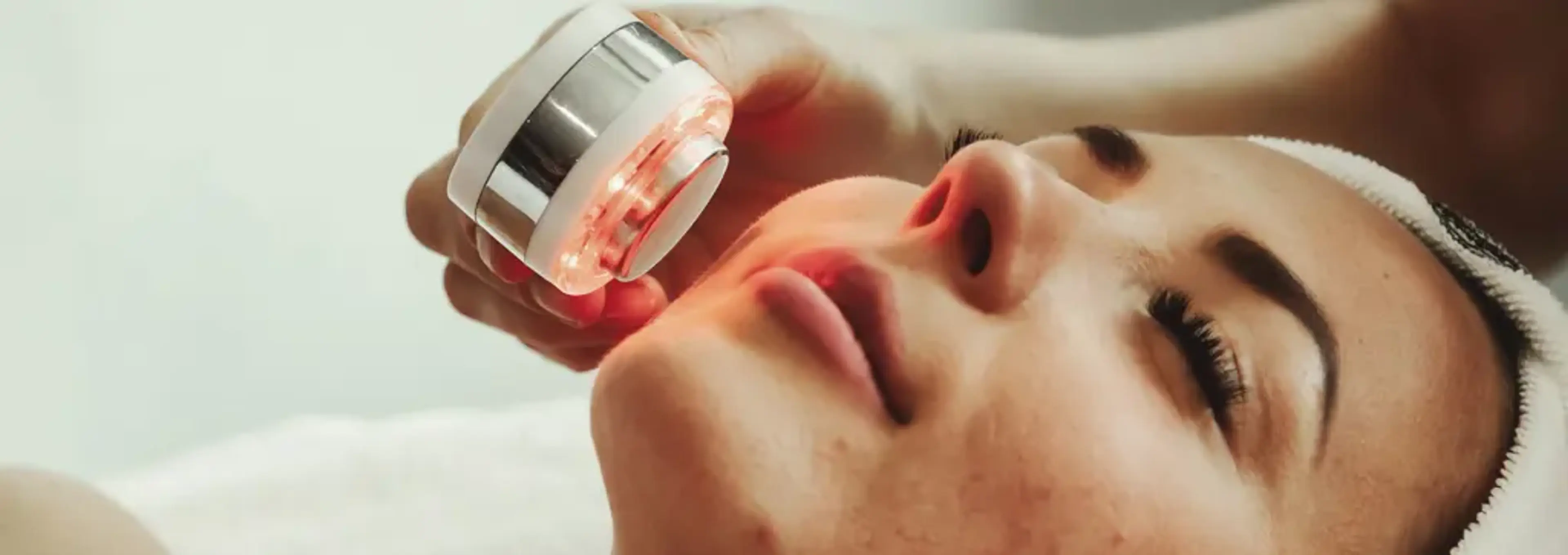
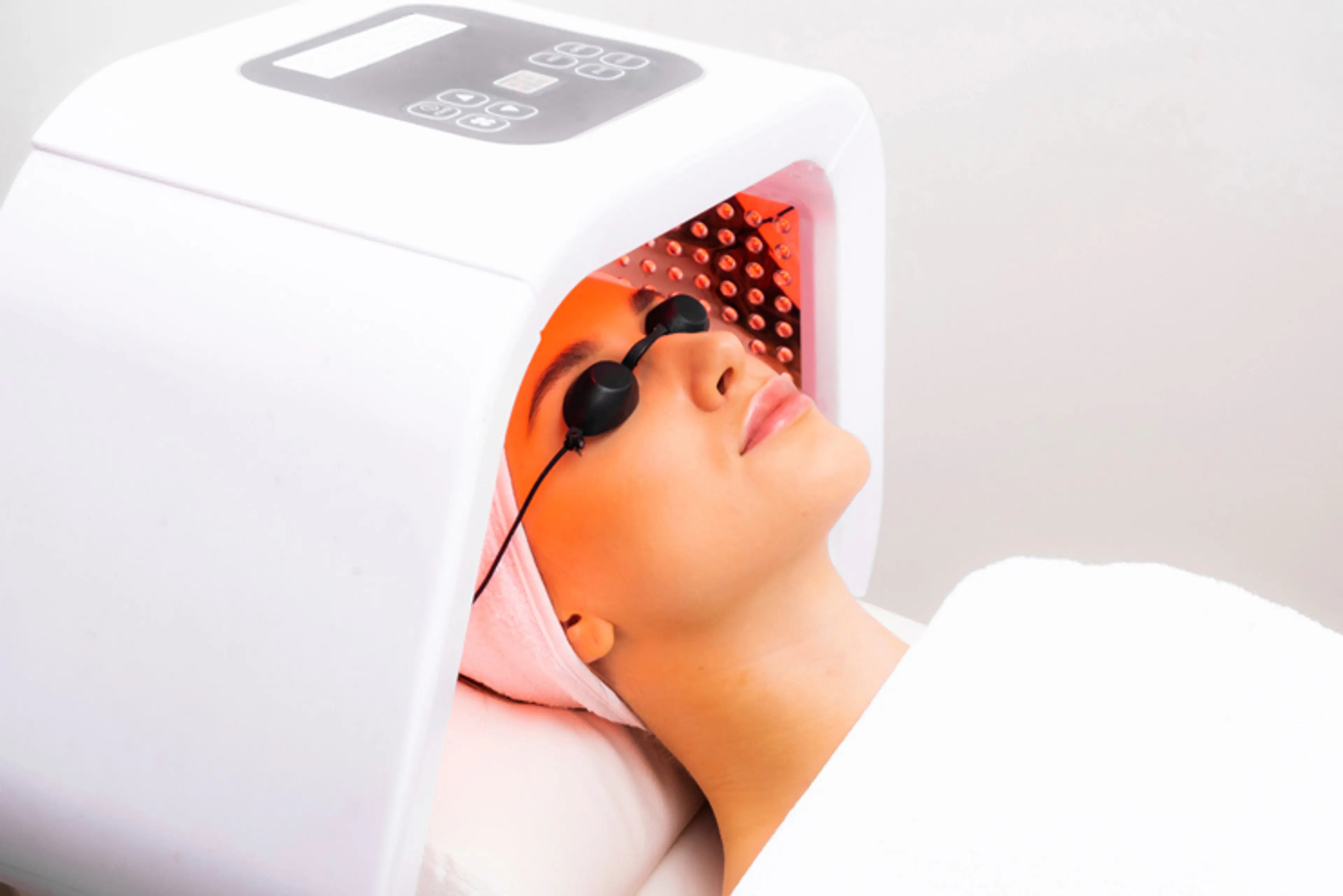
introduction:-aging-gracefully-not-artificiallyIf you’ve been scrolling through skincare trends lately, you’ve probably seen glowing masks or futuristic panels beaming red, blue, or near-infrared light across faces. While it may look like something out of a sci-fi movie, LED light therapy is one of the most scientifically supported, non-invasive treatments for improving skin health. At Delight Dermatology Clinic in Seocho-gu, Gangnam, we’ve seen firsthand how LED light therapy can rejuvenate tired skin, calm inflammation, and accelerate healing after aesthetic procedures.
What Is LED Light Therapy?
what-is-led-light-therapyLED (Light Emitting Diode) therapy uses specific wavelengths of light to trigger natural skin processes without heat or damage. Originally developed by NASA for wound healing, LED therapy was later adopted in dermatology for its ability to repair and regenerate skin tissue. The treatment is painless, requires no downtime, and is safe for all skin types — which explains why it’s a mainstay in both clinical and at-home skincare.
Different wavelengths (or colors) penetrate the skin at varying depths, influencing distinct biological responses:
Red light (630–660 nm): Stimulates collagen production, improves elasticity, and reduces fine lines and wrinkles. It’s especially effective for early signs of aging and for patients seeking firmer, more luminous skin.
Blue light (405–420 nm): Targets acne-causing bacteria (Propionibacterium acnes), reducing breakouts, oil production, and inflammation. It’s commonly used in acne protocols, especially for teens and adults dealing with hormonal acne.
Near-infrared light (830–850 nm): Penetrates the deepest layers, promoting cellular repair, reducing inflammation, and supporting wound healing after procedures like microneedling, laser toning, or Potenza RF.
At Delight Dermatology, we often combine multiple wavelengths in a single session to address both surface-level and deeper skin concerns. This approach allows for synergy — improving both the visible texture and the underlying vitality of the skin.
Why LED Therapy Matters for Skin Health
why-led-therapy-matters-for-skin-health
To be honest, many patients in Gangnam come to us after trying countless brightening creams, exfoliating treatments, or at-home devices, yet still struggle with dullness or recurring breakouts. What they often overlook is that healthy skin begins with balance — calm inflammation, steady collagen renewal, and restored barrier function. LED light therapy helps achieve exactly that.
Boosts Cellular Energy (ATP Production)
Think of your skin cells as workers in a factory. Over time, they slow down from stress, pollution, and aging. LED light acts like a power source — increasing the energy (ATP) within cells so they can produce more collagen, elastin, and healthy new tissue. When fibroblasts (the cells responsible for producing collagen) are re-energized, the skin becomes plumper, firmer, and more elastic.
Improves Circulation and Lymphatic Flow
Red and near-infrared wavelengths enhance microcirculation, delivering oxygen and nutrients while flushing out toxins. This is why patients often notice a natural, healthy glow immediately after a session. Improved circulation also strengthens the skin’s defense system, allowing it to recover more efficiently from stress, breakouts, or environmental damage.
Reduces Inflammation and Calms the Skin
Blue and infrared light have potent anti-inflammatory effects. They help soothe conditions like acne, rosacea, and post-laser irritation. For patients with sensitive skin or those undergoing multi-step aesthetic programs, LED therapy acts as a stabilizing step that maintains comfort and minimizes irritation.
Accelerates Healing After Aesthetic Treatments
Many advanced skin treatments — such as laser resurfacing, Thermage, or Ulthera — trigger controlled inflammation to stimulate collagen. LED therapy enhances the body’s natural repair process, minimizing downtime and improving results. In our clinic, it’s often the final step after energy-based treatments to support calm recovery.
Enhances Overall Skin Function
LED therapy strengthens the skin barrier — the outermost layer that protects against pollutants and dehydration. With consistent sessions, patients notice less dryness, fewer breakouts, and an overall improvement in texture and tone. It’s not just cosmetic; it’s functional dermatologic support.
The Delight Dermatology Approach
the-delight-dermatology-approachAt Delight Dermatology Clinic, LED therapy isn’t just a quick spa add-on — it’s part of a carefully curated medical skincare plan. Under the guidance of
Dr. Yun Sang Youl (Mayo Clinic-trained, board-certified dermatologist) and
Dr. Shin Hui Young (specialist in aesthetic and rejuvenation dermatology), we tailor light wavelengths, intensity, and session frequency to each patient’s specific skin type and condition.
For example:
Post-procedure recovery: Red and near-infrared light immediately after microneedling or laser to reduce redness and promote healing.
Acne-prone skin: Blue light sessions two to three times a week to target acne-causing bacteria, regulate sebum, and calm inflammation.
Anti-aging maintenance: Weekly red light therapy to continuously stimulate collagen, smooth texture, and maintain youthful radiance.
Every session is conducted using medical-grade LED systems that deliver consistent, clinically tested wavelengths — a crucial difference compared to many home-use LED masks that may lack power or depth penetration. Sessions typically last 10–20 minutes, and patients can resume their daily routines immediately after — no redness, no peeling, no downtime.
Over the course of several weeks, the cumulative benefits are noticeable: healthier, more resilient, and visibly brighter skin.
How Often Should You Do LED Therapy?
how-often-should-you-do-led-therapy
Consistency is key. Like building strength at the gym, LED light therapy works best with repetition. A typical course might involve two sessions per week for 4–6 weeks, followed by maintenance once or twice a month. This frequency allows skin cells to adapt and sustain elevated collagen production and energy metabolism.
At Delight Dermatology, we often integrate LED therapy into comprehensive treatment plans — for example, combining it with laser toning for pigmentation, or Potenza RF for skin tightening. By layering LED light as part of the aftercare, patients not only heal faster but also enhance the long-term effects of each treatment. This integrated approach aligns with our clinic’s philosophy: gentle precision, consistent care, and lasting results.
Is LED Light Therapy Safe?
is-led-light-therapy-safeYes. LED light therapy is non-invasive, chemical-free, and suitable for all skin tones and sensitivities. It doesn’t emit UV rays or cause thermal damage. The treatment is so safe that it’s frequently used on post-surgery wounds and even in sensitive areas like the neck and décolleté.
However, results depend heavily on device quality and dermatologist oversight. Consumer-grade LED devices often lack the energy output and precise wavelength calibration necessary for clinical outcomes. At Delight Dermatology, our systems are FDA- and KFDA-approved, calibrated to deliver optimal light intensity for both safety and efficacy.
That said, patients with photosensitive conditions, active infections, or those taking medications like isotretinoin should always consult a dermatologist before treatment. During consultations, our doctors assess each patient’s medical history, ensuring that LED therapy complements their overall skin health plan.
Real-World Results: What Patients Notice
real-world-results:-what-patients-noticeWithin a few sessions, most patients report their skin feeling smoother, calmer, and more luminous. Acne-prone individuals often see fewer breakouts and reduced redness, while anti-aging patients notice improved elasticity and fine line reduction. The subtle yet consistent improvements make LED therapy an ideal maintenance treatment.
Patients also appreciate the comfort factor — no numbing, no peeling, no recovery. For busy professionals and international patients visiting Gangnam, LED sessions fit seamlessly into their schedules, offering visible results without downtime. Many incorporate it as part of their regular self-care routine, similar to a workout for the skin.
Our dermatologists often describe LED therapy as “rebuilding the scaffolding beneath the skin.” By restoring cellular energy, it reinforces the foundation upon which all other treatments build. When paired with proper sun protection, hydration, and professional skincare, the transformation can be remarkable — a natural glow that doesn’t rely on makeup or filters.
The Future of Light-Based Skin Therapy
the-future-of-light-based-skin-therapyIn Korea’s rapidly evolving aesthetic landscape, LED light therapy represents a shift toward gentle, sustainable dermatology — where maintaining skin health is as important as correcting imperfections. The trend is clear: patients are increasingly drawn to treatments that prioritize balance, recovery, and long-term radiance over quick fixes.
Emerging research is expanding LED’s role beyond facial rejuvenation. Studies show potential benefits for scalp health, muscle recovery, and even stress reduction, as near-infrared light supports deeper tissue regeneration. In dermatology, the integration of LED with regenerative treatments — such as exosome therapy or collagen biostimulators — is opening new frontiers for holistic skin rejuvenation.
At
Delight Dermatology Clinic, we believe the future of beautiful skin lies in
synergy — combining science and artistry, technology and care. LED therapy exemplifies this philosophy: gentle yet powerful, silent yet deeply effective. It is the light that quietly restores your skin’s natural rhythm.