Introduction
stem-cell-therapy:-the-ultimate-patient-guide-to-types-benefits-and-realistic-resultsFor decades, the medical world focused on patching symptoms. If a joint was damaged, we replaced it. If skin was sagging, we pulled it tight. Today, we are witnessing a biological revolution. We are moving away from invasive mechanical fixes toward a future of functional repair. This is the promise of
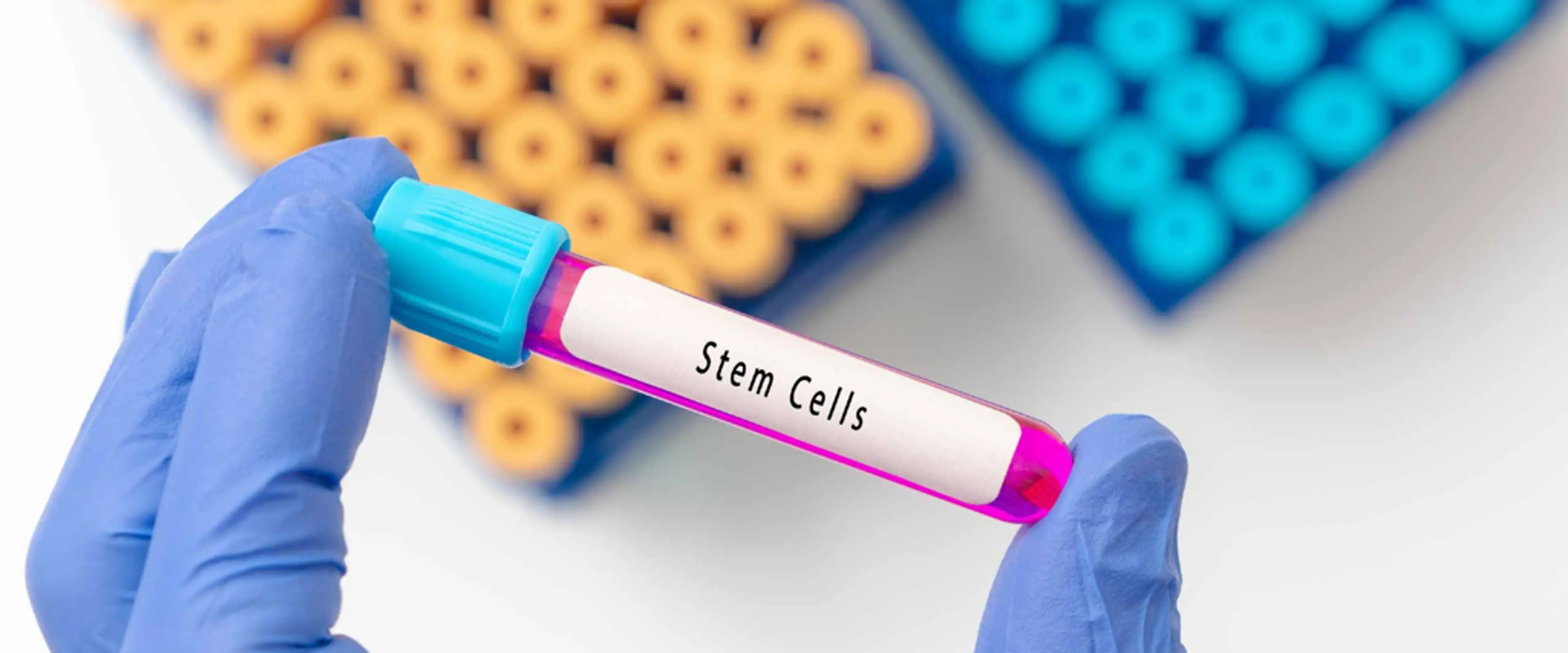
Stem Cell Therapy, a treatment that aims to reprogram the body’s own healing response to fix damage from the inside out.
Stem Cell Therapy is the cornerstone of regenerative medicine. By using the body’s master cells doctors can now target specific areas of the body to regenerate tissue, reduce chronic inflammation and restore a more youthful appearance.
What Are Stem Cells? (The Core Science)
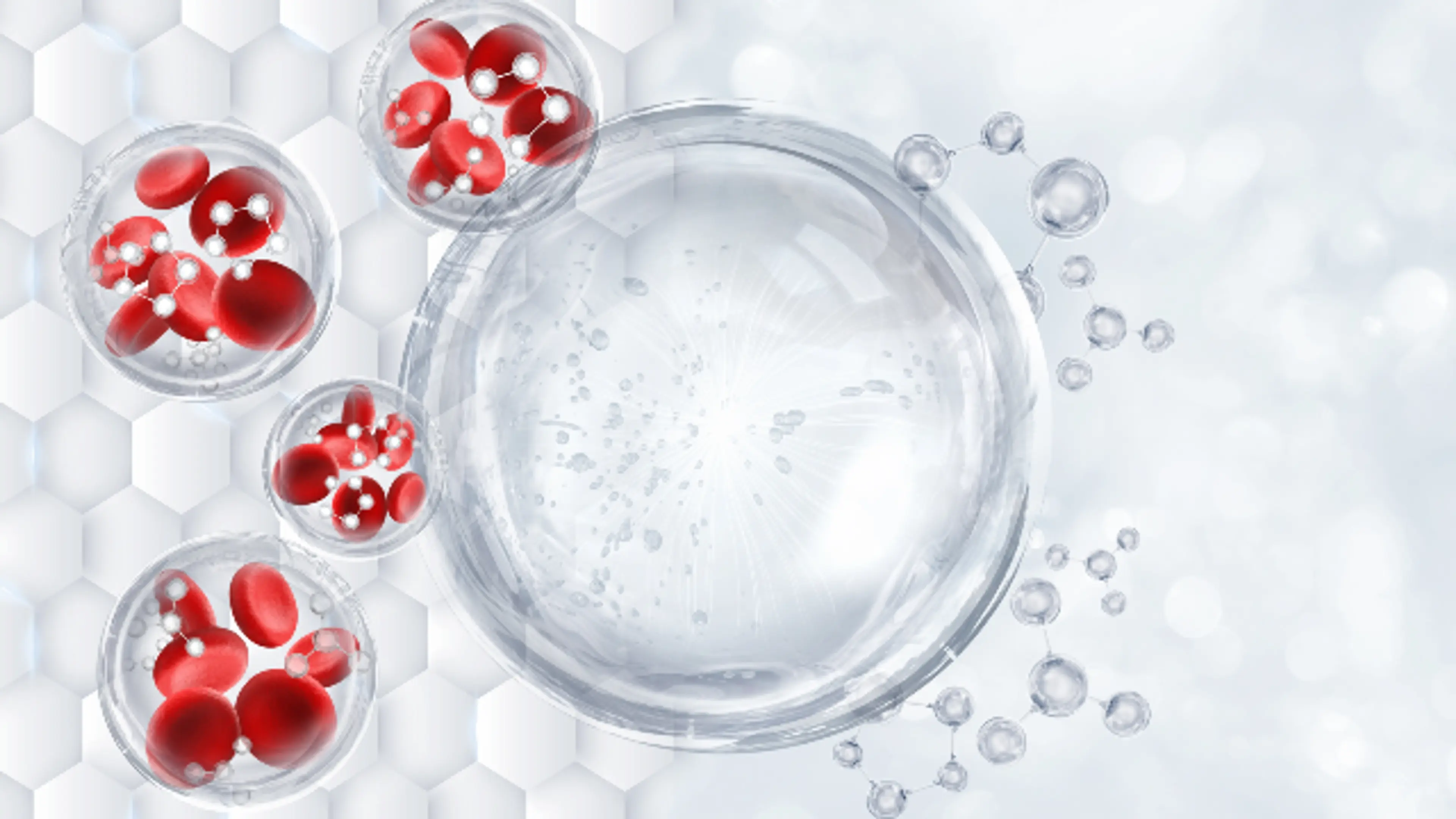
ii.-what-are-stem-cells-(the-core-science)To understand Stem Cell Therapy, you first need to understand what a stem cell is. Think of them as the body's raw materials. They are unspecialized cells, meaning they don't have a specific job yet, like a heart cell or a skin cell.
The Master Cell Concept
the-"master-cell"-conceptStem cells have two unique abilities:
Self-Renewal: They can divide and make copies of themselves.
Differentiation: Under the right signals, they can transform into specialized cells such as bone, cartilage, muscle or nerve cells to replace those that are injured or diseased.
How They Work: Cell Signaling
how-they-work:-cell-signalingIt is a common myth that injected stem cells simply turn into a new knee. In reality, they act more like a project manager on a construction site. Through cell signaling they release growth factors that tell your existing cells to reduce inflammation, stop dying off and start building new, healthy tissue.
Key Terms to Know
key-terms-to-knowMSC (Mesenchymal Stem Cells): These are the gold standard for orthopedic and aesthetic treatments. They are excellent at forming connective tissues.
SVF (Stromal Vascular Fraction): This is a potent mix of cells and growth factors derived from fat tissue. The higher the concentration of SVF, the better the potential result.
Types of Stem Cell Sources: Which is Right for You?
iii.-types-of-stem-cell-sources:-which-is-right-for-youNot all Stem Cell Therapy is the same. The source of the cells determines the safety profile and the concentration of the treatment.
Autologous (Self-derived): These cells come from your own body usually from your fat (adipose) or bone marrow. This is widely considered the safest option because there is zero risk of rejection or allergic reaction.
Allogeneic (Donor-derived): These cells are sourced from a donor, often from umbilical cord tissue or amniotic fluid. These younger cells are highly potent and are often used when a patient's own cells may not be sufficient.
Exosomes: This is the new cell-free frontier. Exosomes are tiny bubbles released by stem cells that contain all the healing instructions without the cells themselves. They are becoming incredibly popular for skin and hair rejuvenation.
Major Benefits & Targeted Applications
iv.-major-benefits-and-targeted-applications
The versatility of Stem Cell Therapy allows it to be used across multiple medical and aesthetic fields.
1. Orthopedic Repair
1.-orthopedic-repairThis is the most common use for regenerative medicine. Patients with osteoarthritis or cartilage damage use stem cell injections to manage pain and potentially avoid or delay major surgeries like total knee replacements.
2. Aesthetic Rejuvenation
2.-aesthetic-rejuvenationIn plastic surgery, stem cells are used for bio-lifting. Instead of just adding volume with temporary fillers, stem cells improve skin density, elasticity and texture, creating a natural, long-lasting glow.
3. Hair Restoration
3.-hair-restorationFor thinning hair, stem cells can revitalize dormant follicles. By improving the health of the scalp and increasing blood flow, it encourages natural hair thickening without the need for traditional transplants.
4. Systemic Wellness
4.-systemic-wellnessMany patients seek therapy for inflamm-aging the chronic, low-grade inflammation that causes fatigue and aging. IV intravenous stem cell drips can help lower systemic inflammation and boost overall energy levels.
The Procedure: What to Expect Step-by-Step
v.-the-procedure:-what-to-expect-step-by-stepA typical Stem Cell Therapy session is usually performed as an outpatient procedure, meaning you can go back to your hotel or home the same day.
Pre-Procedure: You will undergo a detailed screening, including blood work and a medical history review, to ensure your body is ready to support the new cells.
The Harvesting Phase: If using your own cells, the doctor will perform a mini-liposuction usually from the abdomen or a bone marrow aspiration. This is done under local anesthesia to ensure you are comfortable.
The Processing Phase: Your tissue is taken to a specialized Bio-Lab. Here, it is placed in a centrifuge to isolate and concentrate the most potent stem cells and growth factors.
The Delivery: The concentrated cells are then injected directly into the target area whether that is a joint, the scalp or the face or delivered via an IV drip.
Patient Expectations: The Reality vs. The Myth
vi.-patient-expectations:-the-reality-vs.-the-mythIt is vital to have realistic expectations. Stem Cell Therapy is a biological process, not a chemical instant fix.
The Timeline: You won't see results overnight. Most patients begin to feel a reduction in pain or see skin improvements within 2 to 4 weeks, with the peak results appearing between 3 to 6 months as the body builds new tissue.
Longevity: Depending on your lifestyle, the effects can last anywhere from 1 to 3 years. Many patients choose booster treatments every few years to maintain their results.
Safety: While generally very safe, you may experience minor swelling, redness, or bruising at the injection site for a few days.
Global Cost Comparison: Why South Korea is the Global Hub
vii.-global-cost-comparison:-why-south-korea-is-the-global-hub
When patients look for the best place to receive Stem Cell Therapy, South Korea consistently emerges as the world leader. The reason is simple.
South Korea Clinics combines ultra-advanced biotechnology with a highly competitive medical market that keeps prices accessible.
South Korean Bio-Labs are often more advanced than those in the West because the government heavily supports regenerative research. Furthermore, international patients can often benefit from a 7-10% VAT tax refund, making the trip even more cost-effective.
Global Cost Comparison of Stem Cell Therapy
global-cost-comparison-of-stem-cell-therapyCountry | Estimated Cost (USD) | Technology Level | Why Choose? |
|---|
South Korea | $3,000 – $8,000 | Ultra-Advanced | Cheapest & Best: World-class lab standards + Tax Refund. |
USA | $10,000 – $25,000+ | Advanced | High regulatory overhead drives up prices. |
Europe | $8,000 – $15,000 | High | Good quality but lacks Korea's integrated hub efficiency. |
Thailand | $5,000 – $10,000 | Moderate | Popular for tourism, but lab standards vary widely. |
Frequently Asked Questions
ix.-faqs:-frequently-asked-questions1.Is The Treatment Painful?
1.is-the-treatment-painfulThe harvesting and injection are done under local anesthesia. You may feel some pressure or minor pinching, but most patients describe the experience as very tolerable.
2.How Many Sessions Will I Need?
2.how-many-sessions-will-i-needMany patients see significant results after just one session. However, for advanced joint issues or maximum anti-aging, a series of 2-3 sessions may be recommended.
3.Is There Any Downtime?
3.is-there-any-downtimeDowntime is minimal. You can usually return to light activities within 24–48 hours. We recommend avoiding heavy exercise for about one week to let the cells settle.
4.Can I Travel Immediately After Treatment?
4.can-i-travel-immediately-after-treatmentYes, most patients can fly within 24–48 hours. If you are visiting South Korea, this makes it easy to combine your treatment with a short vacation.
Conclusion
x.-conclusion:-investing-in-your-biological-futureStem Cell Therapy represents the most advanced path available today for those looking to invest in their long-term health and appearance. By moving away from temporary masks and toward biological repair, you are giving your body the tools it needs to sustain itself.
While costs remain high in many parts of the world, hubs like South Korea have made this elite technology accessible to the general public without sacrificing safety or quality. If you are ready to explore the potential of regenerative medicine, your journey starts with choosing the right specialist. Are you ready to see what your body can do?
Book a Consultation with a Specialist today.