Home / Articles
Skin Booster Seoul: Rejuran, Juvelook & Profhilo Guide
Home / Articles
Skin Booster Seoul: Rejuran, Juvelook & Profhilo Guide
If you have spent years building a meticulous skincare routine serums, retinols, expensive moisturizers and still feel your skin is not delivering the luminosity you are working toward, there is a reason your New York dermatologist cannot offer what you are looking for. The skin booster Seoul treatments that have made Korean dermatology the global benchmark for skin quality are not available at your local clinic, and they are not even legal for injectable use in the United States. That singular regulatory gap is why thousands of Americans are booking skin booster Seoul treatments every year, flying fourteen hours to access clinically validated skin medicine that simply does not exist at home.
For women like Whitney, a 38-year-old professional watching early melasma, uneven tone, and texture dullness show up in high-resolution video calls despite a rigorous skincare regimen, the frustration is specific: the solution exists, and it is a 14-hour flight away. Rejuran, Juvelook, and Profhilo represent a category of skin medicine that US regulatory frameworks have not yet approved, which is precisely why American patients with discerning standards are building their travel plans around Seoul dermatology clinics.
By the end of this guide, you will understand exactly what each of the three major skin boosters does clinically and which one is right for your specific concern. You will know what skin boosters cost in Seoul compared to New York in 2026 USD terms, what recovery looks like for a professional flying home within five to seven days of treatment, and how to book, prepare, and plan a skin booster Seoul visit at Delight Dermatology Clinic.
Dr. Yun Sang Youl, board-certified dermatologist and Chief Director at Delight Dermatology Clinic, brings over a decade of advanced laser dermatology and skin rejuvenation expertise, including post-graduate clinical training at Mayo Clinic, to every patient consultation. With 400 or more procedures performed annually, his approach to skin booster treatment is physician-designed, evidence-based, and calibrated to your individual skin biology.
If you have had experience with dermal fillers or have researched them extensively, you already understand what volume restoration looks like. Fillers such as Juvederm or Restylane add structural volume beneath the skin, lifting and plumping areas that have lost fat or bone density over time. Skin boosters operate on an entirely different principle, and understanding that distinction is the foundation of everything that follows in this guide.
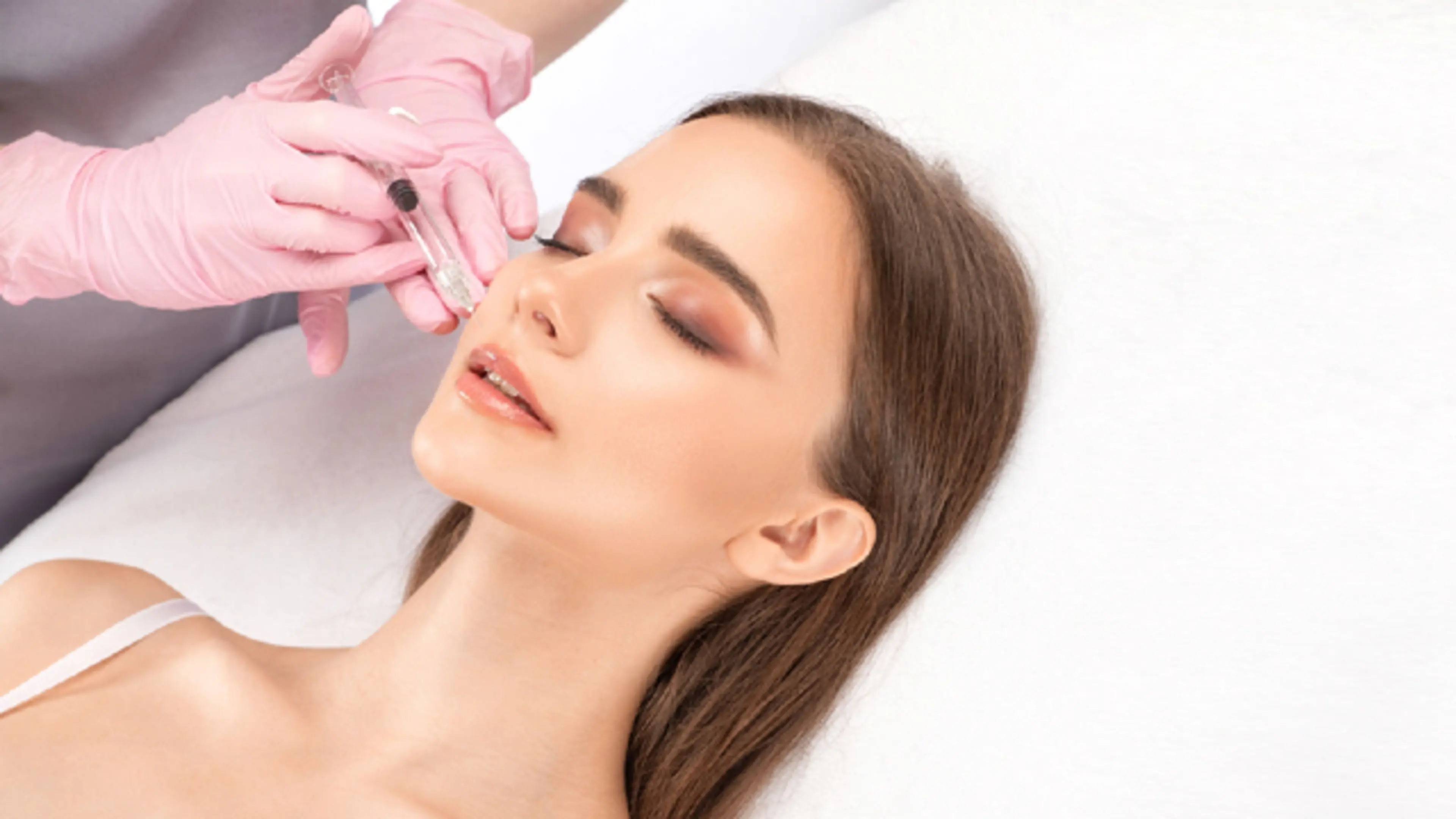
Where dermal fillers perform architectural renovation adding support beams and building materials to an aging structure skin boosters are more like deep cellular renovation of the building materials themselves. Rather than adding volume or changing your facial shape, skin booster injection Seoul treatments are administered superficially into the dermis using ultra-fine 34G needles through a micro-papule technique. The injections deposit bioactive ingredients directly into the layer of skin where fibroblasts, elastin, collagen, and hyaluronic acid are produced and maintained.
The result is not a different-looking face. It is genuinely better skin: more hydrated, more resilient, more luminous, and more capable of self-repair. The goal is to stimulate the skin's own biological repair and hydration mechanisms, making this a true biostimulator category rather than a volumizer. Key clinical terms you will encounter throughout this guide include polynucleotide (PN), PDRN (polydeoxyribonucleotide), PDLLA (poly-D,L-lactic acid), and the concept of fibroblast activation, each of which is explained in clinical detail in the sections that follow. Understanding the skin booster vs dermal filler distinction is particularly important for US patients who may be more familiar with the filler category from their domestic dermatology experience.
The regulatory situation is straightforward and important to understand before you plan any trip. Rejuran, which contains PDRN derived from salmon DNA, is not FDA-approved for injectable use in the United States as of 2026. This is not a safety concern unique to Rejuran. It is simply a matter of regulatory timeline: Rejuran is fully approved by the KFDA (Korea's Ministry of Food and Drug Safety), supported by peer-reviewed clinical evidence, and has been administered to millions of patients across Asia and Europe. The US approval process for injectable biologics is lengthy and costly, and no US approval has yet been sought or granted for PDRN injectables.
Juvelook, the PDLLA-based biostimulator, faces the same situation. It is a Korean-developed injectable with KFDA approval and robust clinical validation, but it is similarly not available in US clinical practice. Profhilo, while available in some international markets, has limited and expensive US availability and is not widely accessible through American dermatology practices. This creates a genuine and specific clinical gap: Korean skin booster not available in US dermatology offices means that research-driven American patients are traveling to Seoul specifically to access products they have thoroughly investigated but cannot obtain at home.
This is not a niche or fringe phenomenon. Reddit communities like r/KoreaSeoulBeauty are filled with US-based patients citing the regulatory access gap as their primary motivation for Korean skincare travel. Instagram coverage in major publications has documented the same driver repeatedly. The Rejuran not FDA approved USA situation, far from being a deterrent, has become the defining reason discerning patients consider Seoul as the only clinically appropriate destination for this category of treatment.
PDRN skin treatment works by providing nucleotide building blocks that stimulate the A2A adenosine receptor, triggering a cascade of repair and regeneration responses at the cellular level. The result is improved skin texture, hydration reserve, elasticity, and tone that comes from within rather than from added volume. For patients managing melasma and post-pregnancy hormonal skin changes, this cellular approach matters because surface-level creams and topicals simply cannot reach the dermal layer where the most meaningful biological repair occurs.
Rejuran Seoul is built on a single active ingredient: PDRN, or polydeoxyribonucleotide, derived from salmon DNA that is biologically compatible with human tissue. The salmon-to-human compatibility is not coincidental. Salmon DNA shares a high degree of structural similarity with human DNA, allowing the purified PDRN molecule to integrate with the body's own cellular repair machinery without triggering immune rejection.
The mechanism is precise and well-documented. Injected into the dermis, Rejuran activates growth factors, stimulates fibroblast proliferation, promotes collagen and elastin synthesis, and reduces dermal inflammation. These combined effects make it uniquely suited to specific clinical presentations: skin repair, texture refinement, sensitivity reduction, post-laser recovery acceleration, and fine line reduction. The ideal patient profile for Rejuran Seoul treatment is someone experiencing melasma, post-hormonal skin changes, barrier sensitivity, and early aging a profile that closely matches the experience of many American women in their late thirties presenting at Delight Dermatology Clinic.
A standard Rejuran protocol involves three to four sessions spaced two to four weeks apart, with results building progressively. The Rejuran HB+ variant contains lidocaine within the formula for significantly reduced injection discomfort. For patients without the HB+ formulation, numbing cream applied 30 minutes prior to treatment is strongly recommended, as the micro-papule injection technique across the full face can be moderately uncomfortable without it. Critically for US patients researching this treatment: Rejuran is KFDA-approved and widely administered in Korea, but it remains not FDA-approved for injectable use in the US the defining clinical reason to book your polynucleotide injection treatment in Seoul.
Juvelook Seoul is not simply a skin hydrator. It is a dual-action hybrid biostimulator, and understanding both of its active ingredients helps explain why it is rapidly becoming the most sought-after skin booster injectable among Seoul's international patient community.
The formula contains two ingredients that work in sequence. PDLLA microspheres, which stands for poly-D,L-lactic acid, act as a microscopic scaffold within the dermis, physically triggering fibroblasts to produce new collagen around each microsphere over a period of three to twelve months. Alongside the PDLLA, non-crosslinked hyaluronic acid provides immediate and genuine hydration visible within the first few days after treatment. The key distinction between Juvelook and older collagen stimulators like Sculptra or Radiesse is particle size and predictability. Juvelook's significantly smaller spherical PDLLA collagen stimulator particles reduce the lump and nodule risk historically associated with earlier-generation products, producing more consistent and aesthetically predictable outcomes.
Primary clinical use cases for Juvelook Seoul include pore refinement, acne scar improvement, skin firmness, fine line reduction, and long-term structural anti-aging. An honest note for patients who expect immediate transformation: Juvelook is a collagen stimulator, not an instant filler. Skin booster results from Juvelook are gradual, cumulative, and build over a timeline of months. An optimal protocol involves two to three sessions spaced four weeks apart, which initiates a sustained collagen cascade that continues to improve skin quality for up to twelve months after the final session.
Profhilo Korea occupies a different position in the skin booster category compared to Rejuran and Juvelook. Where those treatments work through biological stimulation and structural collagen remodeling, Profhilo delivers its results through the most concentrated and pure hyaluronic acid skin booster formulation available in any injectable product globally.
The mechanism is called bio-remodeling rather than volumizing. Unlike crosslinked hyaluronic acid fillers that stay in one place and add volume, Profhilo spreads beneath the skin across a large surface area, delivering deep hydration throughout the dermis and triggering mild collagen and elastin stimulation as a secondary benefit. The primary clinical use cases are skin dryness, dullness, loss of elasticity, and a desire for the luminous glass skin effect without any structural change to facial contours.
An honest limitation: the collagen stimulation from Profhilo Korea is milder than that produced by Juvelook. The primary benefit is deep hydration and immediate radiance rather than structural skin remodeling. Hydration effects are noticeable within one to two weeks, with structural results lasting approximately four to six months, requiring maintenance at that interval. For Whitney and patients with similar profiles, Profhilo functions most effectively as a complementary treatment alongside Rejuran or Juvelook rather than as a standalone solution for complex skin concerns.
Feature | Rejuran | Juvelook | Profhilo |
|---|---|---|---|
Active Ingredient | PDRN (Salmon DNA) | PDLLA + HA | Ultra-pure HA |
Primary Benefit | Skin repair and healing | Collagen stimulation | Deep hydration and glow |
Best For | Melasma, sensitivity, repair | Pores, firmness, anti-aging | Dullness, dryness, radiance |
Results Timeline | 4 to 8 weeks, builds over 3 months | 3 to 12 months (gradual) | Immediate plus 4 to 6 months |
Sessions Needed | 3 to 4 sessions | 2 to 3 sessions | 2 sessions |
FDA Approved (US)? | Not approved | Not approved | Limited availability |
Available in Seoul? | Full access | Full access | Full access |
One of the most clinically significant advantages of seeking skin booster Seoul treatment is access to combination protocols that US clinics simply cannot replicate because the products themselves are unavailable domestically. Korean dermatologists routinely design multi-product treatment plans that leverage the distinct mechanisms of each injectable in a complementary, sequenced approach.
The most effective combinations for a patient profile like Whitney's include Rejuran paired with Juvelook, which addresses repair alongside long-term collagen stimulation for melasma and aging simultaneously. Alternatively, Rejuran combined with Profhilo delivers a repair and hydration approach well-suited to sensitive, dull, or compromised skin barriers. In terms of sequencing, Rejuran is typically administered first to establish a repair and anti-inflammatory foundation, followed by Juvelook in a subsequent session two to four weeks later to initiate the collagen cascade. Profhilo can be incorporated in the same or an adjacent session to provide an immediate hydration and radiance layer over the longer-acting treatments. It is important to emphasize that combination treatment decisions must always be made through individual clinical assessment. Dr. Yun and Dr. Shin at Delight Dermatology Clinic evaluate each patient's skin biology, concerns, and timeline before recommending any protocol.
Understanding what each skin booster does at a cellular level is only half the equation. The other half is mapping your specific skin concern to the product or combination most likely to produce a clinically meaningful improvement. No competitor in the English-language skin booster Seoul content space currently provides this kind of individualized matching framework, and it is one of the most common questions asked during pre-travel virtual consultations at Delight Dermatology Clinic.
Skin Concern | Recommended Booster | Reasoning |
|---|---|---|
Melasma and hormonal pigmentation | Rejuran (primary) | Anti-inflammatory PN reduces melanocyte activation and supports skin barrier stability |
Uneven skin tone and hyperpigmentation | Rejuran plus optional Juvelook | Repair-first approach; collagen remodeling supports tone normalization over time |
Skin dullness and lack of glow | Profhilo or Juvelook | Hydration reset via Profhilo or collagen-driven skin quality improvement via Juvelook |
Fine lines and early aging | Juvelook (primary) | PDLLA collagen stimulation most effective for structural skin change |
Skin texture and enlarged pores | Juvelook (primary) | Collagen thickening reduces pore appearance over 3 to 12 months |
Dehydrated and sensitive skin | Rejuran or Profhilo | PN reduces inflammation; HA restores the moisture reservoir |
Post-pregnancy skin changes | Rejuran plus Juvelook combination | Addresses hormonal inflammation alongside structural skin quality improvement |
Pre-event radiance boost | Profhilo | Fastest visible hydration and glow — ideal 4 to 6 weeks before a keynote or major event |
For a patient with Whitney's specific profile melasma, post-pregnancy hormonal skin changes, texture concerns, and a desire for visible luminosity before a keynote presentation a Rejuran plus Juvelook protocol is the most clinically logical combination. It addresses the inflammatory drivers of melasma, rebuilds skin quality at the structural level, and produces the kind of progressive, luminous improvement that reads beautifully in high-resolution environments. For more detail on Seoul-specific melasma treatment options and protocols, see our guide on [melasma treatment options in Seoul] for a complete clinical breakdown.
Knowing which product suits your concern is one decision layer. Knowing whether you are medically eligible and what preparatory steps to take before your skin booster Seoul appointment is equally important, particularly for US patients coordinating treatment around professional schedules and international travel.
Patients with Fitzpatrick III skin, which represents Whitney's skin type, are excellent candidates for all three skin boosters. Because these treatments involve no laser energy, heat, or light, skin tone is not a safety factor in the way it can be for certain resurfacing or pigmentation lasers. All three injectables are appropriate for a wide range of skin tones without modification to the treatment approach.
For patients currently using retinol or tretinoin, the recommendation is to pause these actives five to seven days before your injection appointment and resume them five to seven days post-treatment. Blood-thinning supplements including fish oil, vitamin E, and aspirin should also be paused five to seven days before treatment to reduce bruising risk at injection sites. Active skin infections, open wounds, or active cold sore outbreaks are all reasons to postpone treatment until fully resolved. Pregnancy and breastfeeding are contraindications for all three injectables, and patients should disclose their status during the pre-consultation process.
One specific note for melasma patients considering a well-aging skin treatment Seoul visit: skin booster injections do not trigger the laser-like heat energy that can cause a melasma flare when incorrectly applied. Patients who have previously experienced a worsening of melasma after laser treatment should be aware that Rejuran operates through a completely different mechanism, carrying no heat-related melasma risk. The skin booster injection Seoul approach is, for most melasma patients, considerably safer in this specific regard than certain laser treatments.
"Patients with melasma are excellent candidates for Rejuran specifically because it does not involve heat or light energy there is no risk of triggering a melasma flare from the injection itself. In fact, Rejuran's anti-inflammatory properties can actively support a calmer, more stable skin environment for melasma patients." — Dr. Yun Sang Youl, Board-Certified Dermatologist and Chief Director, Delight Dermatology Clinic
The skin booster cost picture in Seoul is dramatically different from anything available in the United States, and understanding the numbers in USD terms is one of the most important pieces of financial clarity a US patient can have before booking a trip. The pricing below is drawn from a survey of 15 or more Seoul clinics conducted in 2026, cross-referenced with Reddit community data, Bookimed pricing, and Allure market references.
Two important notes for 2026 budgeting: As of January 1, 2026, Korea no longer allows VAT refunds for cosmetic and aesthetic medical procedures at Korean airports. This change is confirmed and permanent as of the current date, meaning the 10% VAT is now non-refundable and should be factored into every quoted price. Exchange rate guidance: the prices above are based on approximately 1,380 KRW per USD as of April 2026. Confirm the current rate at time of booking, as fluctuations of 5 to 10 percent are possible across a multi-month planning horizon.
Treatment | Seoul (USD) | New York (USD) | Savings |
|---|---|---|---|
Rejuran Healer (2cc) | $200 to $330 | $600 to $900 | Save 60 to 65% |
Juvelook (full face) | $290 to $435 | Not available | Exclusive to Seoul |
Profhilo (full face) | $290 to $510 | $700 to $1,200 | Save 55 to 65% |
Skin Botox (add-on) | $110 to $220 | $350 to $600 | Save 60 to 70% |
Combination protocol (Rejuran + Juvelook) | $490 to $765 | $1,300 to $1,900+ | Save 55 to 60% |
For the full cost comparison for US patients across all treatment categories available at Delight Dermatology Clinic, see our dedicated [full cost comparison for US patients] resource.
The skin booster cost conversation becomes even more compelling when you calculate the total trip investment against the clinical and financial value delivered. Here is a realistic breakdown for a New York patient traveling to Seoul specifically for a Rejuran plus Juvelook combination protocol.
Total treatment cost estimate for the Rejuran plus Juvelook combination runs approximately $490 to $765 in Seoul. Round-trip flights from JFK to ICN (Seoul Incheon) in economy class, direct or with one connection, typically run approximately $900 to $1,400. Seoul accommodation for five nights in a mid-range Gangnam-area hotel runs approximately $800 to $1,200. The total trip investment estimate therefore lands in the range of $2,200 to $3,400, inclusive of flights, accommodation, and treatment.
Compare that to the US alternative: the closest domestic equivalents to a Rejuran plus Juvelook protocol cost $1,300 to $1,900 for treatments alone, and that is without access to Rejuran at all, since it is not FDA-approved for injectable use. Whitney is not just saving money by traveling to Seoul she is gaining access to products and clinical expertise that do not exist in her home market. For patients considering adding Ultherapy to their Seoul visit, the math becomes even more compelling. One Ultherapy session of 300 shots costs approximately $850 to $1,000 in Seoul versus $3,500 to $4,500 in New York making it genuinely rational to structure an entire skin treatment trip around a single Seoul visit. See our dedicated guide on [adding Ultherapy to your Seoul trip] for the full quality and cost breakdown.
Transparent budgeting requires accounting for a few cost items that are easy to overlook before arrival.
VAT at 10% is now non-refundable as of January 2026 and should be incorporated into every price estimate you receive. Some clinics charge separately for numbing cream at approximately 30,000 to 50,000 KRW ($22 to $36 USD), so it is worth asking upfront whether this is included in your quoted treatment price. Consultation fees vary by clinic confirm whether Delight Dermatology Clinic includes the consultation in the overall treatment cost when you make contact. For patients with lower pain tolerance, optional sleep anesthesia for procedures like Ultherapy adds approximately $75 to $150 to the total. Understanding these variables in advance removes unwelcome surprises from your medical tourism Seoul skin treatment experience and allows for clean budgeting before you commit to flights.
One of the most common questions from US patients planning a skin booster Seoul visit is whether the recovery timeline is compatible with flying home within a working professional's schedule. The answer, for all three of the skin boosters discussed in this guide, is a clear yes. Skin booster downtime is categorically different from the recovery involved in laser resurfacing or surgical procedures, and understanding this distinction is essential to realistic trip planning.
Most patients describe the first 24 to 48 hours after skin booster treatment as resembling a mild allergic reaction rather than visible peeling or intense redness. The treatment day itself typically produces small papules or bumps at the injection sites and mild redness, with occasional bruising in more vascular areas. These are entirely normal and expected responses to the micro-papule injection technique. By Day 3 to 4, the majority of visible side effects have resolved, and patients often begin to notice that their skin looks and feels more hydrated and refreshed.
Timeframe | What to Expect | Activity Guidelines |
|---|---|---|
Treatment Day | Small papules at injection sites; mild redness; occasional bruising | Rest; gentle cleanser only; no makeup |
Day 1 to 2 | Papules resolve; mild swelling possible; skin feels hydrated and plump | Can work remotely; avoid direct sun |
Day 3 to 4 | Most visible side effects resolved; skin begins to look refreshed | Light activities; SPF mandatory outdoors |
Day 5 to 7 | Skin settled; glow becoming visible; any bruising fading | Can fly home; normal activity resumes |
Week 2 to 4 | Progressive improvement in texture and hydration | Normal skincare resumed; delay retinol 7 days |
Month 1 to 3 | Full Rejuran results visible; Juvelook collagen cascade begins | Follow Delight Dermatology Clinic aftercare protocol |
Month 3 to 12 | Juvelook collagen results continue developing | Optional second session planning |
Flying home five to seven days after skin booster treatment is entirely appropriate for all three products. The skin booster downtime profile makes this one of the most travel-compatible aesthetic treatments available, particularly when contrasted with ablative laser treatments that can require seven to fourteen days of visible recovery. For comprehensive guidance on planning your travel schedule around treatment, see our complete resource on [planning your Seoul skin treatment trip].
The recovery period following skin booster treatment does not confine patients to their hotel room, and for most US patients visiting Seoul, Days 1 to 2 involve comfortable remote work from the hotel, light indoor activity, and the beginning of Seoul's remarkable food and culture experience. The skin booster before and after experience for most patients involves looking slightly flushed or mildly swollen on Day 1, with a noticeable freshness and hydration beginning to appear by Day 3.
What to avoid during the recovery window is straightforward: alcohol for 24 to 48 hours post-injection, strenuous exercise for 48 hours, facial massage for one full week, and high-heat environments including saunas, steam rooms, and direct intense sun exposure. Seoul recovery-friendly activities that fit comfortably into this window include Gangnam shopping, cafe culture, indoor museum visits, the Bukchon Hanok Village, and the extraordinary breadth of Korean culinary experience none of which require heat exposure or physical exertion. Skincare during the recovery period should consist of a gentle cleanser, a light moisturizer, and SPF 50+ as a non-negotiable daily step. All active ingredients including retinol, AHA, and BHA should be paused for five to seven days before treatment and for five to seven days following.
"We routinely see patients from New York, Los Angeles, and other major US cities who treat in Seoul and fly home within 5 to 7 days. For skin boosters specifically, this is entirely appropriate. The key is scheduling your treatment on Day 1 or Day 2 of your Seoul visit, giving yourself the maximum recovery window before your return flight." — Dr. Yun Sang Youl, Board-Certified Dermatologist and Chief Director, Delight Dermatology Clinic
Skin booster results vary by product, and understanding the specific timeline for each treatment is essential to setting realistic expectations before you invest in a Seoul trip. The goal of this section is clinical honesty rather than marketing superlatives. The outcomes described below reflect what patients typically experience when treated at a physician-led clinic following an evidence-based protocol.
Rejuran delivers initial improvement in texture and hydration that typically becomes visible at four to six weeks post-treatment. Full repair results are generally experienced at the three-month mark. Effects from a single session last approximately four to six months, with maintenance recommended every six months for sustained improvement. Juvelook's timeline is notably different. Immediate hydration from the hyaluronic acid component is visible within 24 to 48 hours. Collagen remodeling from the PDLLA microspheres begins at four to six weeks and produces significant structural improvement by three months. Critically, Juvelook's collagen results continue developing through month 12, making it a treatment whose full value unfolds over nearly a year following the initial protocol. Maintenance is recommended annually after the initial two to three-session series. Profhilo delivers immediate radiance and hydration visible within one to two weeks. Results last approximately four to six months, and a two-session protocol spaced four weeks apart is recommended for best outcomes. For patients completing a combination Rejuran plus Juvelook protocol, the cumulative effect extends the results window considerably. Patients typically report sustained improvement for nine to twelve months from a well-designed two-session protocol, making this the most clinically efficient option for patients who can commit to two Seoul visits.
Treatment | First Visible Results | Peak Results | Duration | Maintenance |
|---|---|---|---|---|
Rejuran | 4 to 6 weeks | 3 months | 4 to 6 months | Every 6 months |
Juvelook | 2 to 4 weeks (hydration) | 3 to 6 months (collagen) | 9 to 12 months | Annually |
Profhilo | 1 to 2 weeks | 2 months | 4 to 6 months | Every 6 months |
Rejuran + Juvelook combo | 4 to 6 weeks | 3 to 6 months | 9 to 12 months | Annual Seoul visit |
It is important to note that skin booster results vary based on age, existing skin condition, lifestyle factors, UV exposure, and adherence to aftercare instructions. Dr. Yun will provide personalized outcome expectations during your individual consultation.
The most powerful maintenance tool available to US patients returning from a skin booster Seoul visit is SPF 50 or higher worn daily without exception. This is not generic skincare advice: for melasma patients specifically, UV exposure is the most consistent trigger for recurrence, and protecting the cellular-level improvements achieved through Rejuran and Juvelook requires disciplined daily sun protection regardless of whether you are outdoors or primarily working indoors.
US-available topicals that support and extend skin booster results include niacinamide, which supports barrier function and addresses pigmentation; vitamin C serum for antioxidant protection against UV-induced degradation; and gentle retinol, which can be resumed seven days post-treatment and supports the ongoing collagen maintenance cycle. Avoid prolonged sun exposure without SPF, aggressive at-home chemical peels for four to six weeks post-treatment, and heat-inducing activities including hot yoga and steam rooms for two weeks following your session. This well-aging skin treatment Seoul approach to long-term maintenance is built on the premise that the results achieved in Seoul are best preserved through consistent, evidence-based daily habits at home.
For patients committed to optimal cumulative skin booster results, planning a second Seoul visit twelve to eighteen months after the first is the most effective long-term strategy. Juvelook's collagen results can be meaningfully extended with a single top-up session, and a second Rejuran protocol can reinforce the repair foundation before it fades. Delight Dermatology Clinic provides structured virtual post-treatment consultations for US patients, typically scheduled at two weeks, one month, and three months following your return. This is documented in our dedicated guide on [virtual follow-up after returning to the US] for patients who want to understand the full remote support framework available.
The single most important differentiator for research-driven American patients selecting a skin booster Seoul provider is not location, not price, and not the menu of available products. It is the clinical credentials and direct involvement of the physicians who will actually administer your treatment. At Delight Dermatology Clinic, every skin booster protocol is designed and administered by a board-certified dermatologist, not a nurse, technician, or aesthetician.
Communication is fully available in English at every stage of the patient journey: from the initial virtual consultation through treatment planning, the in-clinic appointment, and post-return follow-up. For US patients, the pre-travel Zoom consultation with Dr. Yun or Dr. Shin is a non-negotiable trust-building step that allows both the patient and physician to assess fit, clarify expectations, and confirm protocol design before any flights are booked. This commitment to Korean dermatology skin rejuvenation at a boutique, physician-led standard is what the Delight Dermatology Clinic experience is built on.
Delight Dermatology Clinic's international patient infrastructure is designed specifically for the needs of US patients coordinating treatment from across the Pacific.
English-speaking medical team and patient coordinators available throughout the process
Virtual consultation via Zoom or video call available before travel is arranged
Post-treatment virtual follow-up included for international patients at two weeks, one month, and three months
Aftercare instructions provided in English in written format for reference during recovery
WhatsApp available for follow-up questions after returning to the United States
Location: Seoul, South Korea, Gangnam area, easily accessible from major international hotels near Gangnam Station
The starting point for every US patient considering a skin booster Seoul visit at Delight Dermatology Clinic is a virtual consultation, and the clinic strongly recommends completing this before booking any flights. The consultation is conducted via Zoom or video call and covers the complete scope of what you need to know before committing to a trip: a skin assessment based on photos you submit in advance, a recommended treatment protocol tailored to your specific concerns (such as Rejuran plus Juvelook vs. a standalone treatment), a personalized cost estimate in USD, a realistic recovery timeline, and full Q&A with Dr. Yun or Dr. Shin.
Contact for the virtual consultation can be made via email, WhatsApp, or through the Delight Dermatology Clinic website. Response time for email inquiries is within 24 hours, and WhatsApp responses for international patients are typically within four hours. Before your consultation, review our [pre-treatment preparation guide] to ensure you arrive at the virtual appointment with the right photos, medications list, and questions prepared.
Following your virtual consultation, Delight Dermatology Clinic provides a written treatment plan and an itemized cost estimate in USD, giving you a clean financial picture before you commit to travel arrangements. The recommended trip duration for skin booster treatment is five to seven days in Seoul, which provides the treatment window, the recovery period, and meaningful time to experience the city without feeling rushed.
Scheduling your treatment on Day 1 or Day 2 of your Seoul visit is strongly recommended, as this maximizes the recovery window available before your return flight. The clinic will provide pre-treatment instructions in writing, including the retinol pause timeline, supplement guidance, and any other preparation steps specific to your protocol. Medical tourism Seoul skin treatment planning is most successful when the logistics of treatment scheduling, recovery windows, and travel timing are aligned well in advance, and Delight Dermatology Clinic's patient coordinators are experienced in helping US patients coordinate exactly this.
Skin booster results vary by product and individual skin biology. Rejuran Seoul typically delivers results lasting four to six months per session, with maintenance recommended every six months. Juvelook's collagen-driven results last nine to twelve months from an initial protocol. Profhilo results last approximately four to six months. A combined Rejuran plus Juvelook protocol typically produces the longest-lasting improvements, with most patients experiencing sustained skin quality for nine to twelve months.
The timeline depends on which treatment you receive. Initial improvement from a skin booster Seoul session is typically visible within two to four weeks. Full Rejuran results emerge at approximately three months. Juvelook's collagen remodeling produces significant results at three to six months and continues improving through month 12. Profhilo delivers some of the earliest visible changes, with hydration and glow noticeable within one to two weeks.
Skin booster Seoul treatments are not designed to produce dramatic before-and-after transformations in the filler or surgical sense. Realistic expectations involve a clinically meaningful improvement in skin texture, hydration, tone, and luminosity often described by patients as looking like "my best version of my existing skin" rather than a different face. Individual results vary based on age, skin condition, lifestyle, and protocol adherence, and Dr. Yun will provide personalized outcome expectations during your consultation.
Yes, in most cases. Patients at 38 with Fitzpatrick III skin and melasma are excellent candidates for Rejuran Seoul specifically. Because skin booster injection treatment involves no heat energy or light, there is no risk of triggering a melasma flare from the injection itself. Rejuran's anti-inflammatory PDRN properties can actively support a calmer, more stable skin environment for melasma patients. Dr. Yun will confirm individual candidacy during your virtual consultation.
Yes, with a preparation pause. Patients using retinol or tretinoin should pause these actives five to seven days before their skin booster injection Seoul appointment. These medications can be safely resumed five to seven days after treatment. Discontinuing them temporarily reduces the risk of skin irritation at injection sites and supports the smoothest possible recovery.
Active skin infections, open wounds, active cold sores, and current pregnancy or breastfeeding are the primary contraindications for skin booster Seoul treatment. Blood-thinning medications and supplements should be disclosed during consultation. Patients with autoimmune conditions or known allergies to any injectable components should discuss their history fully during the pre-travel virtual consultation with Dr. Yun or Dr. Shin.
Yes, in most cases. Combining skin booster Seoul treatment with Ultherapy during the same trip is one of the most clinically efficient approaches for patients targeting both skin quality and structural lifting in a single visit. The sequencing and timing of combined treatments is determined by individual clinical assessment. Dr. Yun or Dr. Shin will advise on the optimal order of treatments during the virtual consultation, particularly as some combinations require staggered scheduling within the five to seven-day window.
The skin booster cost difference is substantial. A Rejuran plus Juvelook combination protocol at a Seoul clinic typically costs $490 to $765 USD, compared to $1,300 to $1,900 or more for partial US equivalents in New York and Rejuran is not available in the US at all. The skin booster Seoul cost advantage, combined with access to products unavailable domestically, makes the trip financially rational even after factoring in flights and accommodation.
This is one of the most important questions for melasma patients, and the answer is reassuring. Rejuran Seoul treatment does not involve heat, light, or the kind of thermal energy that can destabilize melanocytes and trigger a melasma flare. The PDRN skin treatment mechanism is anti-inflammatory by nature, which means it is generally supportive rather than provocative for melasma-prone skin. Always disclose your melasma history during consultation so Dr. Yun can calibrate your protocol accordingly.
While not strictly mandatory, it is strongly recommended for US patients. A pre-travel virtual consultation with Dr. Yun or Dr. Shin allows you to complete a skin assessment, confirm your protocol, receive a cost estimate, and ask all clinical and logistical questions before committing to flights. For a skin booster Seoul visit of the depth and investment involved, the virtual consultation is the most important friction-reducing step in the entire booking process.
The most effective maintenance steps available in the US include daily SPF 50 or higher application, niacinamide serum for barrier and pigmentation support, vitamin C for antioxidant protection, and the gradual reintroduction of retinol starting seven days post-treatment. Avoiding prolonged unprotected sun exposure is the single most impactful behavior for maintaining skin booster results, particularly for melasma patients. Virtual follow-up appointments with Delight Dermatology Clinic are available at two weeks, one month, and three months to monitor progress and advise on any protocol adjustments.
Each product operates through a distinct mechanism. Rejuran Seoul uses PDRN from salmon DNA to repair skin at the fibroblast level, making it ideal for melasma, sensitivity, and skin repair. Juvelook Seoul uses PDLLA microspheres combined with hyaluronic acid to stimulate new collagen production over three to twelve months, making it best for pores, firmness, and anti-aging. Profhilo Korea uses ultra-pure high-concentration hyaluronic acid to deliver immediate deep hydration and radiance, ideal for dullness and dehydration. Which is best for you depends on your specific skin concerns and is best determined during a virtual consultation with Dr. Yun or Dr. Shin.
Rejuran, Juvelook, and Profhilo represent a category of clinically validated skin medicine that is not available in the United States and Seoul is where they are administered at the highest clinical level, by physician-led teams with the training, credentials, and international patient experience to design protocols that produce meaningful, lasting results. The cost difference is real and significant: a combination skin booster Seoul protocol costs $490 to $765 in Seoul compared to $1,300 to $1,900 or more for partial US equivalents, before factoring in that Rejuran is not legally injectable in the US at all. Recovery is genuinely manageable for working professionals: a five to seven-day Seoul visit provides full treatment, recovery, and cultural experience, with most patients flying home looking refreshed rather than visibly recovering. Results from a well-designed Rejuran plus Juvelook protocol can last nine to twelve months, supporting a long-term well-aging skin treatment Seoul strategy built on annual or biannual visits.
At Delight Dermatology Clinic, Dr. Yun Sang Youl and Dr. Hui Young Shin both board-certified dermatologists with over a decade of international patient experience design every skin booster Seoul protocol individually, not from a standard menu. Their physician-led approach, English-language communication infrastructure, and post-return virtual follow-up framework make them the clinically and logistically appropriate choice for US patients who have done their research and are ready to act on it.
Chief Director, Delight Dermatology Clinic, Seoul, South Korea. Dr. Yun brings more than 10 years of specialized experience in laser dermatology, skin rejuvenation, and anti-aging skincare, with advanced clinical training at Mayo Clinic in the United States. He performs 400 or more procedures annually and holds memberships in major Korean and international dermatology societies. His specializations include acne treatment, laser dermatology, skin booster protocols, and anti-aging skincare for both local and international patients.