Home / Articles
Pore Treatment Seoul: Minimize Large Pores in Korea 2026
Home / Articles
Pore Treatment Seoul: Minimize Large Pores in Korea 2026
If you have spent years layering primers, switching cleansers, and trying every pore minimizing serum on the market without seeing a real difference in your skin texture, you are not failing at skincare. You are using tools that were never designed to address the structural causes of enlarged pores. Pore treatment Seoul has become one of the most searched dermatology destinations for US patients precisely because Korean clinics offer a clinical depth that topical routines and standard US procedures simply cannot match. The results documented in before and after photography from real patients are compelling enough that Americans from New York, Miami, Los Angeles, Chicago, and Houston are now booking flights to Seoul specifically to access these treatments.
Enlarged pores caused by excess sebum production, loss of skin elasticity, chronic acne, and cumulative sun damage do not respond meaningfully to topical products alone. They require targeted clinical intervention at the follicular and dermal level. For patients across the United States, the laser technologies and combination protocols that Seoul clinics use routinely are either unavailable at US clinics, priced significantly higher, or delivered without the depth of specialization that Korean dermatology has built over decades of focused skin science research and practice.
By the end of this guide, you will understand exactly what causes enlarged pores at a clinical level and why topical treatments fall short. You will know which pore minimizing laser Seoul technologies are used at Delight Dermatology Clinic and why they produce results that differ from what most American patients have previously experienced. You will also have a realistic recovery and results timeline tailored for US patients traveling with a limited leave window, a complete cost comparison between Seoul and your home city, and a clear step-by-step pathway to book your first consultation from the United States.
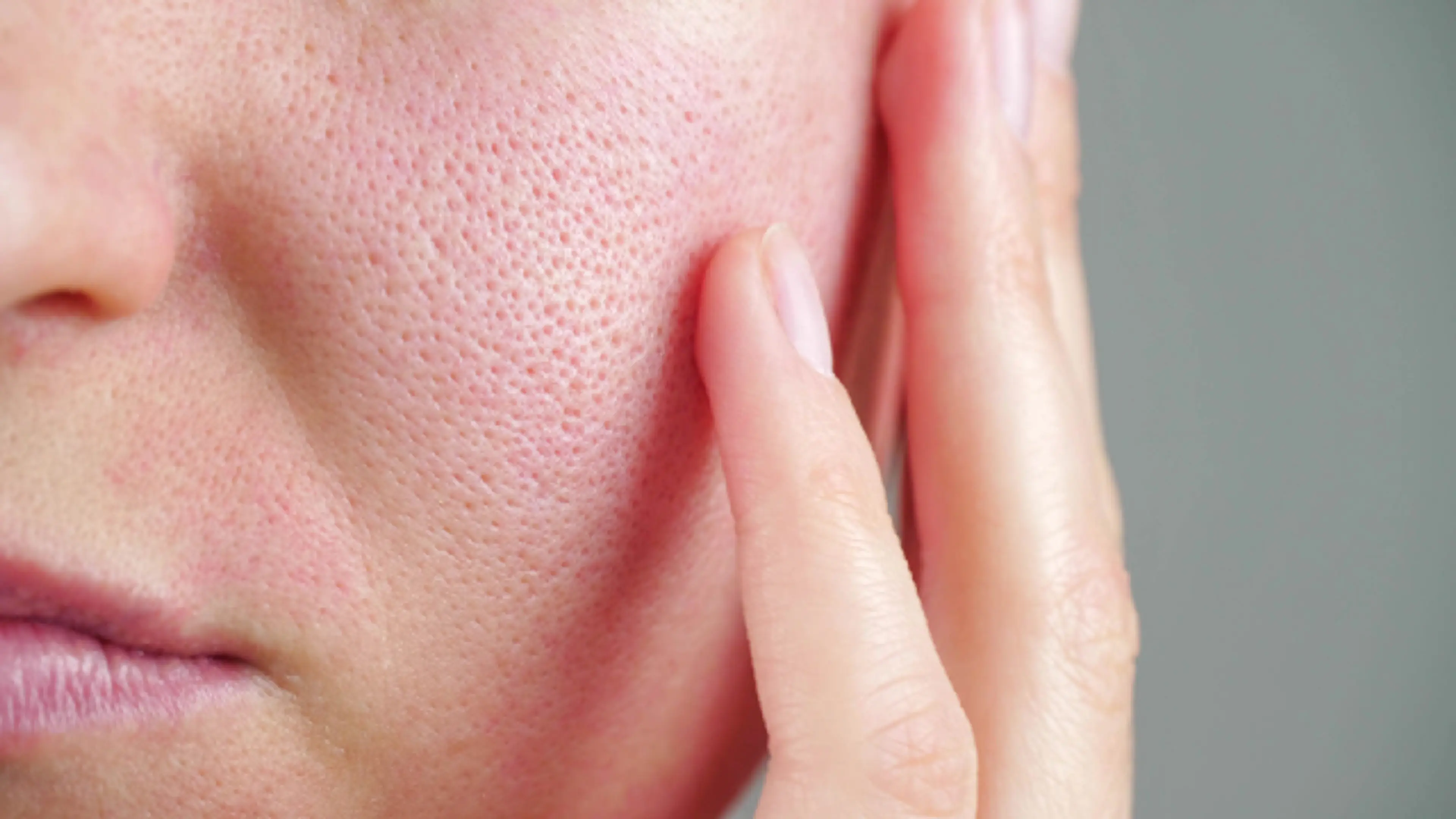
Pores are not openings that can simply be opened or closed. They are follicular structures, and their visible diameter is determined by the structural integrity of the tissue surrounding them. There are three primary clinical causes of visibly enlarged pores: excess sebum production that stretches follicle walls over time, collagen and elastin loss around the pore opening as the skin ages and loses structural support, and post-inflammatory dilation that follows repeated acne cycles. Each of these causes operates at a different layer of the dermis, which is precisely why large pore treatment requires intervention at multiple tissue depths rather than at the surface level alone.
Patients with Fitzpatrick skin type III to IV, which includes many Hispanic, Latina, Mediterranean, and mixed-heritage individuals, are statistically more susceptible to sebaceous pore enlargement and post-acne pore dilation due to higher baseline sebum production rates and a greater post-inflammatory response within the dermis. Topical retinoids and niacinamide provide genuine but limited benefit in this context. They can regulate surface sebum and mildly improve skin texture, but they cannot physically restructure the collagen matrix surrounding sebaceous pores or reduce the diameter of a follicle that has been chronically stretched by oil overproduction. That structural correction requires clinical intervention, and that is exactly where pore treatment Seoul delivers results that topical products cannot replicate.
The foundational philosophy distinguishing Korean dermatology from standard Western clinical practice is the commitment to layered, protocol-driven treatment rather than single-modality intervention. Where a typical US clinic might recommend a course of microneedling or a single laser type for pore concerns, Seoul clinics like Delight Dermatology Clinic design sequenced protocols that address the sebaceous gland, the follicle wall, and the collagen matrix surrounding the pore opening simultaneously within the same treatment visit or across a structured short series of sessions.
Enlarged pore reduction Korea clinics have achieved is built on decades of accumulated clinical data from treating predominantly Asian and mixed skin tones. This is clinically significant because skin types in the Fitzpatrick III to V range require specific energy calibration, device selection, and post-treatment protocols that generalist US practices have far less experience managing. Delight Dermatology Clinic's physician-led model means that Dr. Yun Sang Youl and Dr. Hui Young Shin are directly involved in designing and supervising every patient's treatment plan rather than delegating protocol decisions to clinic technicians. This approach to Korean dermatology pore care has produced measurably different outcomes for patients who arrive having already tried conventional US options without the results they were expecting.
The technology gap between what Seoul clinics offer and what most US dermatology practices provide for enlarged pore concerns is substantial and well documented by patients who have experienced both. A standard US clinic protocol typically involves microneedling combined with a topical retinoid, a combination that addresses surface texture modestly but does not target sebaceous gland activity or produce meaningful collagen remodeling at the follicular level. By contrast, the combination protocol at Delight Dermatology Clinic integrates pico laser, AGNES RF, and chemical peels in a precise sequence designed to address every structural cause of pore enlargement at the appropriate tissue depth.
AGNES RF is a Korean-developed selective radiofrequency microneedling device that targets the sebaceous gland directly at its source. It is used across Seoul dermatology clinics as a standard pore minimizing treatment option but remains largely unavailable at US dermatology and medical aesthetics practices, creating a genuine treatment access gap for American patients. The volume of pore cases treated at Delight Dermatology Clinic also matters clinically: the physicians treat hundreds of pore patients annually across all Fitzpatrick skin types including III through V, generating a depth of clinical pattern recognition that a Korean skin clinic pores specialist develops in ways that a generalist US practice cannot replicate simply by offering the same device.
Picosecond laser technology delivers ultra-short energy pulses measured in trillionths of a second into the dermis, creating what is known as a photoacoustic effect that stimulates collagen and elastin production around the follicle opening without generating the level of thermal damage associated with traditional nanosecond devices. This distinction matters significantly for patients with Fitzpatrick III to IV skin tones because lower thermal impact means a substantially reduced risk of post-inflammatory hyperpigmentation, which is the primary safety concern for patients with olive and medium skin tones considering pore minimizing laser Seoul treatments.
Clinical data from published dermatology literature supports a visible pore diameter reduction in the range of 20 to 35 percent after a full course of pico laser treatment. For US patients planning a single Seoul trip, a realistic outcome from one to two sessions is meaningful improvement in pore visibility and skin texture regularity, with full collagen-driven results continuing to build for up to three months after the treatment date. A complete course of laser pore treatment typically involves three to five sessions, and many patients returning for a second Seoul visit report compounding improvement from their prior session. Fractional laser pores Seoul protocols build on this collagen stimulation foundation by adding a fractionated delivery pattern that treats the skin in micro-columns rather than across the entire surface, intensifying the remodeling effect for patients with more significant pore enlargement.
AGNES RF is a Korean-developed selective radiofrequency microneedling device that uses insulated fine needles to deliver targeted radiofrequency energy at the precise depth of the sebaceous gland, thermally disrupting oil-producing cells at the root cause of pore enlargement rather than treating symptoms at the surface. This specificity is what makes it clinically distinct from standard microneedling or broad-field RF devices. Where conventional devices deliver energy across a wide dermal layer, AGNES RF is calibrated to the exact depth of the sebaceous gland, making it one of the most anatomically precise tools available for pore treatment Seoul protocols targeting oily, sebaceous-driven pore enlargement.
The clinical significance of this specificity is reflected in its outcomes. Published clinical studies on selective sebaceous gland electrothermolysis report reductions in sebaceous activity of 40 to 60 percent, with visible pore-tightening results sustained at the three-month post-treatment mark. For patients with oily skin whose enlarged pores are primarily driven by chronically overactive oil production, this level of sebaceous gland reduction is something that topical sebum regulators and standard laser devices cannot approach. AGNES RF is also a core component of enlarged pore reduction Korea patients frequently cite as the treatment responsible for the most noticeable change in their skin. The technology is used routinely across Seoul dermatology practices but remains largely unavailable in US clinics, which is one of the most consistent reasons US patients cite for choosing to travel. Pore tightening treatment using AGNES RF is particularly relevant for patients who have tried topical sebum control products extensively without achieving structural change.
Fractional CO2 laser creates controlled micro-columns of thermal injury in the dermis that trigger a robust collagen remodeling response, physically tightening the tissue surrounding pore openings as the new collagen matrix contracts during healing. A PubMed-indexed clinical study published in the Journal of Cosmetic and Laser Therapy found that 79 percent of subjects achieved good to excellent improvement in pore size and skin laxity following fractional CO2 laser treatment, supporting its inclusion in combination pore treatment protocols for patients with moderate to severe pore enlargement. Fractional CO2 carries a slightly longer downtime than pico laser but produces more aggressive tissue remodeling, making it well suited for patients whose pore enlargement is accompanied by acne scarring or significant textural irregularity.
Treatment | Mechanism | Best For | Sessions Needed | Downtime |
|---|---|---|---|---|
Pico Laser | Photoacoustic collagen stimulation | All pore types, Fitzpatrick II to V | 3 to 5 | 1 to 3 days |
AGNES RF | Selective sebaceous gland RF | Oily skin, sebaceous pores | 2 to 3 | 2 to 5 days |
Fractional CO2 | Thermal collagen remodeling | Enlarged pores and acne scars | 1 to 3 | 5 to 7 days |
Chemical Peel | Surface exfoliation and pore clearing | Oily and acne-prone skin | 3 to 6 | 1 to 3 days |
Combination Protocol | Multi-layer pore reduction | Moderate to severe enlargement | 2 to 4 | 3 to 7 days |
As Dr. Hui Young Shin, Dermatology Specialist and Director of Delight Dermatology Clinic, explains: "For patients flying in from the United States with oily or acne-prone skin, we most commonly recommend beginning with AGNES RF to address the sebaceous root cause, followed by pico laser sessions to refine the pore opening and improve overall skin texture. This combination produces results that patients simply cannot replicate with what is available at most American clinics."
Understanding your recovery timeline is essential for planning a Seoul trip that works around a nursing schedule or any limited leave window. The good news is that Delight Dermatology Clinic specifically structures treatment scheduling for international patients within a six to eight day visit. Pore treatment downtime Seoul patients experience varies by treatment type but is generally manageable within that window, and by Day 5 to 7 the majority of patients are comfortable enough to fly home without skin-related concerns.
Here is what to realistically expect across the treatment and recovery period:
Day | Pico Laser Status | AGNES RF Status | Activity Level | What to Do |
|---|---|---|---|---|
Day 1 | Redness and warmth | Redness and swelling | Rest only | Hotel rest, soothing skincare |
Day 2 | Redness fading | Micro-crusts forming | Light indoor activity | Indoor exploration acceptable |
Day 3 to 4 | Resolved for most patients | Micro-crusts flaking | Comfortable in public | Indoor sightseeing, gentle meals |
Day 5 to 6 | Full activity | Mostly resolved | Full indoor activity | Shopping, walking, light exploring |
Day 7 | Fly-ready | Fly-ready | Flight-safe | Apply SPF and barrier cream; hydrate |
Seoul offers a significant amount of recovery-friendly indoor activity that allows patients to enjoy their trip without compromising healing. Indoor shopping at COEX Mall in Gangnam, exploring Korean cuisine with mild, non-spicy meal choices during the first three days post-treatment, visiting cultural museums, and walking through the Apgujeong and Gangnam neighborhoods during evening hours when UV exposure is lower are all comfortable options for patients in the early recovery phase.
Activities to avoid during the first three to five days post-treatment include spas, saunas, and jjimjilbang Korean bathhouses, all of which involve heat and steam exposure that can aggravate post-treatment skin. Patients should also avoid direct midday sun exposure, alcohol consumption during the first 48 hours, and heavy physical exercise that produces significant sweating for at least the first three days. Hotels within the Gangnam or Apgujeong district are the most practical choice for recovering patients, offering proximity to the clinic, blackout curtains, air conditioning, and room service options for days when full rest is the priority.
Delight Dermatology Clinic provides all international patients with written English-language aftercare instructions, a take-home skincare kit calibrated to their specific treatment, and WhatsApp-based follow-up availability throughout the Seoul stay for any post-treatment questions that arise between clinic visits.
One of the most consistent drivers of the decision to travel to Seoul for pore treatment is cost, and the numbers support that decision clearly once you examine them in full detail. The following pricing reflects current USD equivalents based on prevailing KRW to USD exchange rates as of 2026. Patients should note that KRW to USD exchange rate fluctuations can affect the final cost in either direction, and the clinic recommends confirming current pricing directly during the virtual pre-consultation. Currency exchange is most efficiently handled at Incheon Airport or Myeongdong exchange booths rather than through US banks before departure.
Individual skin pore reduction cost at Delight Dermatology Clinic breaks down approximately as follows in USD equivalent: pico laser single session ranges from 150 to 250 USD, AGNES RF single session ranges from 200 to 350 USD, fractional CO2 single session ranges from 200 to 400 USD, chemical peel single session ranges from 80 to 150 USD, and the combination protocol package integrating pico laser, AGNES RF, and chemical peel ranges from 500 to 900 USD. Consultations at Delight Dermatology Clinic are included within the treatment visit for international patients, with no separate consultation fee charged for US patients.
Treatment | Delight Dermatology Clinic Seoul | New York | Los Angeles | Miami | Chicago | Houston |
|---|---|---|---|---|---|---|
Pico Laser (per session) | $150 to $250 | $600 to $1,200 | $500 to $1,000 | $450 to $900 | $400 to $800 | $350 to $750 |
AGNES RF (per session) | $200 to $350 | Rarely available | Rarely available | Rarely available | Rarely available | Rarely available |
Fractional CO2 (per session) | $200 to $400 | $800 to $2,000 | $700 to $1,800 | $600 to $1,500 | $600 to $1,400 | $550 to $1,300 |
Combination Protocol | $500 to $900 | $2,500 to $5,000 | $2,000 to $4,500 | $1,800 to $4,000 | $1,600 to $3,500 | $1,500 to $3,000 |
Total Seoul Trip (treatment + flight from Miami + 7 nights hotel) | $2,100 to $3,300 | N/A | N/A | $1,800 to $4,000 (local only) | N/A | N/A |
The best pore treatment Korea offers is not just clinically superior in terms of technology access. It also represents a financially rational decision when the full cost picture is laid out transparently, which is exactly what this comparison is designed to provide. Pore treatment Seoul at Delight Dermatology Clinic delivers treatment access, physician expertise, and skin-tone-specific clinical protocols at a price point that makes traveling from any of the five major US cities a mathematically sound decision, not merely an aesthetics-motivated one. For a full breakdown of how medical tourism Seoul skin care costs compare across treatment categories, the clinic provides itemized estimates during the virtual consultation before any booking commitment is made.
Setting honest expectations before you book is not just good practice. It is the standard that Delight Dermatology Clinic applies to every patient consultation. Pore treatment results Korea patients achieve from a single combination protocol session at Delight Dermatology Clinic fall within the following clinically observed ranges: pore diameter visibility reduction of 25 to 45 percent after one combination protocol visit, noticeable skin texture improvement including surface smoothness and regularity typically visible from Day 14 post-treatment, sebum production reduction of 40 to 60 percent in AGNES RF patients sustained at the three-month post-treatment measurement point, and skin tone brightness improvement that patients with concurrent pigmentation and enlarged pores frequently report as an unexpected secondary benefit of the pico laser component.
For patients with moderate to severe pore enlargement, the honest clinical guidance is that two to three sessions over two separate trips produces the most significant and durable long-term results. One trip produces genuine, visible improvement. Two trips produce clinically transformative outcomes. The timeline for experiencing results follows a specific progression: initial visible improvement at Day 7 to 14 as the surface-level treatment effects manifest, followed by continuing collagen-driven improvement that builds progressively for up to three months post-treatment as the dermis completes its remodeling process. Pore treatment results Korea patients achieve continue developing well after they have returned home to the United States, which means the full extent of improvement from a single Seoul visit may not be fully visible until the three-month mark. Delight Dermatology Clinic's pore minimizing treatment before and after gallery is available for review during the virtual consultation so patients can assess realistic outcomes before committing.
Metric | Single Trip Result | Two-Trip Result | Timeline |
|---|---|---|---|
Pore diameter reduction | 25 to 45 percent | 50 to 70 percent | Day 14 to 3 months |
Sebum reduction (AGNES RF) | 40 to 60 percent | 60 to 80 percent | 1 to 6 months |
Skin texture improvement | Noticeable | Significant | Day 14 to 3 months |
Brightness and tone | Mild to moderate | Moderate to significant | Day 7 to 6 weeks |
Durability of results | 12 to 18 months | 18 to 36 months | Ongoing with home care |
The results you achieve from pore treatment Seoul are not self-sustaining without a deliberate post-return home care protocol. Delight Dermatology Clinic provides every patient with a written post-return skincare protocol at discharge, and the following recommendations reflect the standard guidance provided to US patients returning from a combination pore treatment visit.
Daily SPF 50 application is the single most critical step for pico laser patients. UV exposure degrades the collagen remodeling initiated by the laser, and patients who do not maintain consistent sun protection will see their results diminish faster than those who do. A niacinamide serum supports ongoing sebum regulation and should be introduced immediately post-return. A gentle, non-comedogenic cleanser used twice daily maintains the skin environment that allows treatment results to consolidate. Retinol should not be introduced before six to eight weeks post-treatment, as introducing active exfoliation too early can interfere with the healing and remodeling process. US-based maintenance options that complement Seoul treatments include in-office chemical peels or microneedling at a US dermatologist, and patients can share their Delight Dermatology Clinic treatment records with their US provider to ensure continuity of care. The recommended return visit timeframe to Seoul for a follow-up pico laser or AGNES RF session to sustain and compound results is 12 to 18 months after the initial treatment.
The direct answer is yes. Pico laser and AGNES RF are specifically well suited for Fitzpatrick III to IV skin tones and carry a significantly lower risk of post-inflammatory hyperpigmentation than traditional ablative lasers or nanosecond Q-switched devices that were historically the standard for pore treatment. This distinction matters enormously for patients with olive, medium, Hispanic, Latina, and Mediterranean complexions who have either experienced unwanted pigmentation side effects from laser treatment in the past or have been advised by US providers to avoid laser treatments due to their skin tone.
Korean dermatology has particular expertise in treating Fitzpatrick III to V skin for a straightforward clinical reason: Seoul clinics treat a predominantly Asian patient population whose skin types overlap significantly with the complexion range of many US patients from diverse backgrounds. The accumulated clinical data and refined technique that comes from treating these skin tones across thousands of cases over many years is a genuine expertise asset that differentiates Seoul pore treatment specialists from generalist US practices. At Delight Dermatology Clinic, protocol adaptations for olive skin tones include calibrated lower energy settings on the pico laser, selective targeting depth adjustments with AGNES RF, and the deliberate avoidance of aggressive ablative techniques that carry higher hyperpigmentation risk. Enlarged pore reduction Korea results for Fitzpatrick III to IV patients are documented in the before and after gallery that Dr. Yun Sang Youl and Dr. Hui Young Shin review with patients during the virtual consultation. Pore treatment Seoul is well established as a safe and effective option for diverse skin tones when performed by physicians with the appropriate clinical experience managing those skin types specifically.
The clinical answer is that it depends on the severity and type of active acne present, and it is a distinction that Delight Dermatology Clinic addresses with precision during the pre-visit virtual consultation. Active inflammatory acne requires stabilization before fractional CO2 laser treatment, as aggressive thermal interventions on actively inflamed skin carry a risk of worsening inflammation and triggering post-inflammatory pigmentation changes. However, active acne does not prevent pico laser or AGNES RF treatment in most cases, and the combination of these two technologies is in fact one of the most effective approaches available for patients presenting with both active breakouts and the enlarged pores left behind by previous acne cycles.
The typical approach at Delight Dermatology Clinic for patients arriving with concurrent active acne and enlarged pores involves a staged same-trip protocol: an acne-stabilizing first step using blue light therapy and medical-grade topicals, followed by AGNES RF to address the sebaceous root cause of both the active acne and the pore enlargement, then pico laser to refine surface texture and pore visibility. This combination of acne treatment and pore treatment within a single Seoul visit is one of the most frequently requested treatment plans from US patients at Delight Dermatology Clinic. Patients with severe cystic active acne are transparently advised to complete a stabilization course before undergoing certain laser pore treatments, and this is assessed and communicated clearly during the virtual pre-consultation rather than after arrival. For patients managing both conditions simultaneously, reviewing the approach to acne treatment at Delight Dermatology Clinic and the clinic's documentation on acne scar treatment in Seoul provides additional clinical context for the combined treatment pathway.
When US patients evaluate a Seoul dermatology clinic from abroad, physician credentials are among the most important trust signals available. Delight Dermatology Clinic's clinical leadership provides a level of credentialed, documented expertise that represents one of the strongest cases for the best pore treatment Korea offers to international patients.
Critically, both laser and radiofrequency treatments at Delight Dermatology Clinic are performed or directly supervised by board-certified dermatologists rather than aesthetic nurses or clinic technicians. This physician-led delivery model is a distinguishing feature of the best pore treatment Korea clinics provide at the highest standard of care, and it stands in notable contrast to the technician-operated treatment model that is common at medical aesthetics centers in the United States.
The combination of factors that drives US patients to choose Delight Dermatology Clinic over domestic options or other Seoul clinics reflects the specific clinical and logistical gaps that this clinic addresses consistently and transparently.
AGNES RF availability at Delight Dermatology Clinic is a primary differentiator. This Korean-developed technology, which directly addresses the sebaceous root cause of oily-skin-driven pore enlargement, is unavailable at the overwhelming majority of US clinics and its absence represents a genuine treatment gap for American patients seeking a structural solution to their pore concerns. Every patient at Delight Dermatology Clinic receives a customized treatment protocol designed specifically by the treating dermatologist based on their individual skin type, pore severity, acne history, and Fitzpatrick classification, rather than selecting from a standardized clinic menu. The clinical experience with Fitzpatrick III to V patients that the Delight Dermatology Clinic team has accumulated through a predominantly Asian patient base is directly relevant to US patients of Asian, Hispanic, Latina, and mixed heritage who may have been turned away or under-served by US clinics lacking that skin-tone experience. Treatment combination efficiency is also a significant practical advantage: multiple complementary pore treatments can be delivered within a single Seoul trip, achieving in one visit what would require six to twelve months of sequential appointments at US clinics.
The practical question for US patients is not only whether the clinical care is excellent. It is also whether the communication, logistics, and follow-up support structure is accessible and reliable for a patient navigating international medical care for the first time.
Dr. Yun Sang Youl's advanced clinical training in the United States supports direct, fluent English medical communication throughout the consultation and treatment process. Virtual pre-consultations are conducted via Zoom or WhatsApp before patients book any travel, and every patient receives a written treatment plan with itemized USD pricing before making any commitment. WhatsApp availability continues throughout the Seoul visit for any post-treatment questions that arise between clinical visits. Written English-language aftercare instructions are provided at discharge. Virtual follow-up appointments are available at the two-week, one-month, and three-month marks after the patient returns to the United States, ensuring continuity of care that extends well beyond the Seoul trip itself.
The virtual consultation is free for US patients and is conducted via Zoom or WhatsApp video call at a time that is practical for patients across US time zones. Morning Seoul hours correspond to US evening hours, which makes scheduling accessible even for patients with demanding work schedules. During the consultation, Dr. Yun Sang Youl or Dr. Hui Young Shin will assess your skin type, review photos that you can submit in advance via WhatsApp for a preliminary evaluation, discuss your specific pore concerns and treatment history, recommend a treatment protocol tailored to your skin type and Fitzpatrick classification, set realistic results expectations based on your presenting condition, and provide a written treatment plan with itemized pricing in USD. To book, patients can use the Delight Dermatology Clinic website consultation form, send a WhatsApp message, or contact the clinic by email. Delight Dermatology Clinic replies to all US patient inquiries within 24 hours.
After the virtual consultation is complete, the patient receives a written treatment plan specifying the recommended procedures, the scheduling of sessions within the Seoul trip, and fully itemized pricing. The recommended trip duration for a combination pore treatment protocol is six to eight days, which provides sufficient time for treatment, initial recovery, and comfortable departure. Booking lead time of six to ten weeks before the intended travel date is recommended for optimal appointment scheduling and the best available flight pricing. Patients are provided with a pre-treatment preparation guide covering which skincare products to stop two weeks before treatment, medications to avoid in the pre-treatment period, and photography submission guidelines for establishing baseline documentation that will be used for before and after comparison. For patients who want to know exactly what to prepare before arrival, reviewing the pre-treatment preparation guide specific to Seoul dermatology visits answers the most common practical questions in full detail.
Pore treatment Seoul refers to a physician-designed clinical protocol that uses technologies such as pico laser, AGNES RF, fractional CO2 laser, and chemical peels to reduce the visible diameter of enlarged pores by addressing their structural causes at multiple dermal depths. Korean dermatology pore care is distinguished by its layered, protocol-driven approach that targets sebaceous activity, collagen remodeling, and surface texture refinement simultaneously rather than relying on a single treatment modality.
Most patients notice visible pore minimizing treatment results from a single combination protocol session, with full results developing over two to three months as collagen remodeling continues post-treatment. For moderate to severe pore enlargement, two to three sessions spaced 12 to 18 months apart produces the most durable outcomes. Pore treatment Seoul at Delight Dermatology Clinic is protocol-designed so that meaningful improvement is achievable within a single Seoul trip.
Yes. Pico laser and AGNES RF carry a significantly lower post-inflammatory hyperpigmentation risk than traditional ablative lasers and are well suited for Fitzpatrick III to IV skin tones. Enlarged pore reduction Korea specialists at Delight Dermatology Clinic have extensive clinical experience treating olive, medium, and mixed-heritage skin, and protocol adjustments including calibrated energy settings are applied for every Fitzpatrick classification individually.
In most cases, yes. Pore treatment Seoul and acne scar treatment can be combined within the same visit using a staged protocol. Pico laser in particular is effective for both pore reduction and acne scar improvement simultaneously. Patients with active cystic acne may need stabilization before certain laser pore treatments, which is assessed during the virtual pre-consultation. The clinic's approach to laser pore treatment for combined concerns is one of its most common treatment plans for US patients.
Pore treatment results Korea patients experience from a single combination protocol visit are typically sustained for 12 to 18 months with appropriate home care including daily SPF 50, niacinamide, and a non-comedogenic skincare routine. Results from the pore minimizing laser Seoul component specifically continue developing for up to three months post-treatment as collagen remodeling progresses. A return visit at 12 to 18 months is recommended to sustain and compound results.
AGNES RF is a Korean-developed selective radiofrequency microneedling device that delivers targeted energy at the precise depth of the sebaceous gland, reducing oil production at the root cause of enlarged pores. It represents what many patients consider the best pore treatment Korea has developed specifically for oily-skin-driven pore enlargement. It is rarely available at US dermatology or medical aesthetics practices, which is one of the primary clinical reasons US patients travel to Seoul to access it at Delight Dermatology Clinic.
Some initial visible improvement is noticeable within the first week post-treatment as skin-level inflammation resolves and surface refinement becomes visible. However, the primary pore treatment Seoul results, specifically the collagen-driven reduction in pore diameter, develop progressively from Day 14 onward and reach their full extent at the two to three-month mark. Pore tightening treatment results are cumulative rather than instantaneous, which is why setting realistic timelines before treatment is an important part of the consultation process at Delight Dermatology Clinic.
The standard pre-treatment preparation for pore treatment Seoul includes discontinuing retinol and active exfoliants two weeks before treatment, avoiding prolonged sun exposure in the two weeks prior to your Seoul visit, stopping any prescription topical acids or vitamin C serums one week before treatment, and submitting baseline photographs to the clinic in advance via WhatsApp for treatment planning. The full pre-treatment preparation guide is provided to every patient after the virtual consultation. Patients on isotretinoin should discuss their history explicitly during the consultation, as isotretinoin completion timelines affect laser treatment eligibility.
Pore treatment targets the visible diameter of follicular openings by addressing sebaceous activity, tissue laxity, and collagen structure around the pore. Acne scar treatment addresses the textural depressions and surface irregularities left behind by deep inflammatory acne. At Delight Dermatology Clinic, a Korean skin clinic pores specialist will assess both concerns during the consultation and often recommend a combined protocol where pore minimizing laser Seoul technologies such as pico laser address both concerns simultaneously, particularly when the presenting skin shows enlarged pores alongside shallow rolling or boxcar acne scars.
Delight Dermatology Clinic Seoul provides structured post-return virtual follow-up appointments via WhatsApp or Zoom at the two-week, one-month, and three-month marks after the patient returns to the United States. The English-speaking medical team, led by Dr. Yun Sang Youl whose US-based training ensures fluent English communication, is available for any questions that arise between scheduled follow-ups. Written English-language aftercare instructions are provided at discharge before the patient departs Seoul.
Yes. Retinol and other active exfoliants should be discontinued two weeks before your pore treatment Seoul appointment to avoid heightened skin sensitivity that can affect treatment tolerability and recovery. Prescription-strength retinoids require a longer discontinuation window and should be discussed specifically during the virtual pre-consultation. The full skincare discontinuation protocol is provided in writing to every patient as part of the pre-treatment preparation guide.
October through March is generally considered the optimal window for medical tourism Seoul skin care visits, as cooler temperatures and lower UV index during these months support more comfortable post-treatment recovery and reduce the risk of sun-related complications for pico laser and fractional CO2 patients. Spring visits from March through May are also manageable with diligent SPF use. Summer months from June through August involve high UV intensity and humidity that can complicate outdoor recovery, though indoor recovery protocols make Seoul visits during this period feasible. The virtual pre-consultation can incorporate travel timing guidance specific to your treatment type and skin tone.
Enlarged pores caused by excess sebum, collagen loss, and acne-driven inflammation are structural dermal issues that topical products alone are not equipped to resolve at a meaningful clinical level. Delight Dermatology Clinic in Seoul offers pico laser, AGNES RF, and fractional CO2 pore treatment protocols that address these structural causes at multiple tissue depths, and that clinical depth is simply not widely available at US clinics. US patients from New York, Miami, Los Angeles, Chicago, and Houston are achieving 25 to 45 percent visible pore reduction from a single Seoul visit using combination protocols designed and delivered by board-certified dermatologists. A six to eight day Seoul trip is sufficient for a complete pore treatment protocol, with most patients comfortably flying home by Day 5 to 7 with their skin in a stable and actively healing state.
With more than 10 years of clinical experience, advanced training at Mayo Clinic in the United States, and over 400 procedures performed annually, Dr. Yun Sang Youl and Dr. Hui Young Shin deliver physician-led pore treatment Seoul patients trust for both its clinical rigor and its measurable, documented results across diverse skin tones including Fitzpatrick III to IV.
Dr. Yun Sang Youl is the Chief Director of Delight Dermatology Clinic in Gangnam, Seoul, South Korea. With over 10 years of clinical experience in laser dermatology, acne treatment, pore treatment, and anti-aging skin care, Dr. Yun Sang Youl oversees more than 400 procedures annually at the clinic. He completed advanced clinical training at Mayo Clinic in the United States and holds memberships in major Korean and international dermatology societies. His clinical approach integrates evidence-based laser protocols with physician-led treatment design tailored to each patient's skin type, Fitzpatrick classification, and individual treatment goals.
Dr. Hui Young Shin is a Director at Delight Dermatology Clinic, Seoul, South Korea. She completed her professional medical training at Dongguk University College of Medicine and specializes in skin rejuvenation, acne treatment, inflammatory skin conditions, and pore treatment for oily and acne-prone skin. Her clinical focus on the intersection of active acne management and pore treatment makes her expertise particularly relevant to the profile of US patients who arrive at Delight Dermatology Clinic presenting with both concerns simultaneously.