Introduction
pigmentation:-what-to-expect-or-delight-dermatology-clinicFor many people, the struggle with
pigmentation is more than just a surface-level cosmetic issue. It is often an emotional journey. We hear from patients every day who feel trapped in the "makeup cycle" the daily ritual of applying heavy foundation and concealer to hide uneven skin tone. This constant need to cover up can take a significant toll on self-esteem. At Delight Dermatology Clinic, we believe that understanding your skin is the first step toward reclaiming your confidence.
Beyond the Surface
i.-introduction:-beyond-the-surfacePigmentation occurs when the body produces too much melanin, the natural pigment that gives our skin, hair, and eyes their color. While melanin is a vital defense mechanism against the sun, certain factors can cause it to cluster unevenly.
The Science of Melanin
the-science-of-melaninWhy do these spots form? It usually boils down to three main triggers:
UV Exposure: The sun is the primary culprit, stimulating melanocytes to protect the skin.
Hormones: Changes during pregnancy or from birth control can trigger specific patterns.
Inflammation: Acne, cuts, or harsh treatments can leave lasting marks.
In the past, many were told to "wait and see" if their spots would fade. However, modern dermatology has evolved. We now have the biological and technological tools to treat these issues effectively. You no longer have to wait; a clear complexion is a scientific reality.
Defining the Targets: What Kind of Pigmentation Do You Have?
ii.-defining-the-targets:-what-kind-of-pigmentation-do-you-haveTo achieve a successful result, we must first identify exactly what we are treating. Misidentifying the type of pigmentation is the most common reason for treatment failure in general clinics.
Common Types of Skin Discoloration
common-types-of-skin-discolorationType | Appearance | Common Causes |
|---|
Melasma | Symmetrical brown or gray patches | Hormones, Heat, UV |
Sunspots | Flat, brown spots with clear edges | Chronic sun exposure |
PIH | Dark shadows or red marks | Acne, trauma, or burns |
Freckles | Small, tan dots | Genetics & Sun |
Melasma: Often called the "hormonal mask," it usually appears on the cheeks, forehead, and upper lip. It is deep-seated and requires a gentle, specialized touch.
Sunspots (Lentigines): These are signs of cumulative damage. They represent the skin’s memory of every summer spent without enough SPF.
Post-Inflammatory Hyperpigmentation (PIH): This is the skin's "scar" from inflammation. It is very common in darker skin tones and requires lasers that don't generate excessive heat.
The "Before" Phase: Assessment & Candidacy
iii.-the-"before"-phase:-assessment-and-candidacyBefore we even turn on a laser, a comprehensive assessment is mandatory. Safety is our baseline.
The Fitzpatrick Scale Factor
the-fitzpatrick-scale-factorWe categorize skin types from I (very fair) to VI (very deep). This is crucial because "Skin of Color" reacts differently to light. Using a high-heat laser on a Type V skin can actually cause more pigmentation. Our experts adjust every wavelength to match your specific biological profile.
AI-Driven Diagnosis
ai-driven-diagnosisAt
Delight Dermatology Clinic, we fill the gap between "guessing" and "knowing" with AI-driven machines like
Janus or
Mark-Vu. These devices take high-resolution photos under different light spectrums. They allow us to see:
Surface Pigment: What you see in the mirror.
UV Pigment: Damage hidden deep in the dermis that hasn't surfaced yet.
Vascular Activity: Redness that might be fueling your melasma.
Are You a Candidate?
are-you-a-candidateIdeal Candidates: Non-smokers who are committed to a daily SPF routine and have realistic expectations about the timeline.
Cautions: We may delay treatment if you have an active skin infection, a history of keloid scarring, or are currently using certain photosensitizing medications.
The Treatment Menu: Finding Your "Seoul Standard"
iv.-the-treatment-menu:-finding-your-"seoul-standard"
The world of dermatology has shifted from "burning" pigment to "shattering" it. We utilize what many call the "Seoul Standard"—incorporating the most advanced South Korean technology into our protocols.
Pico Lasers: The Gold Standard
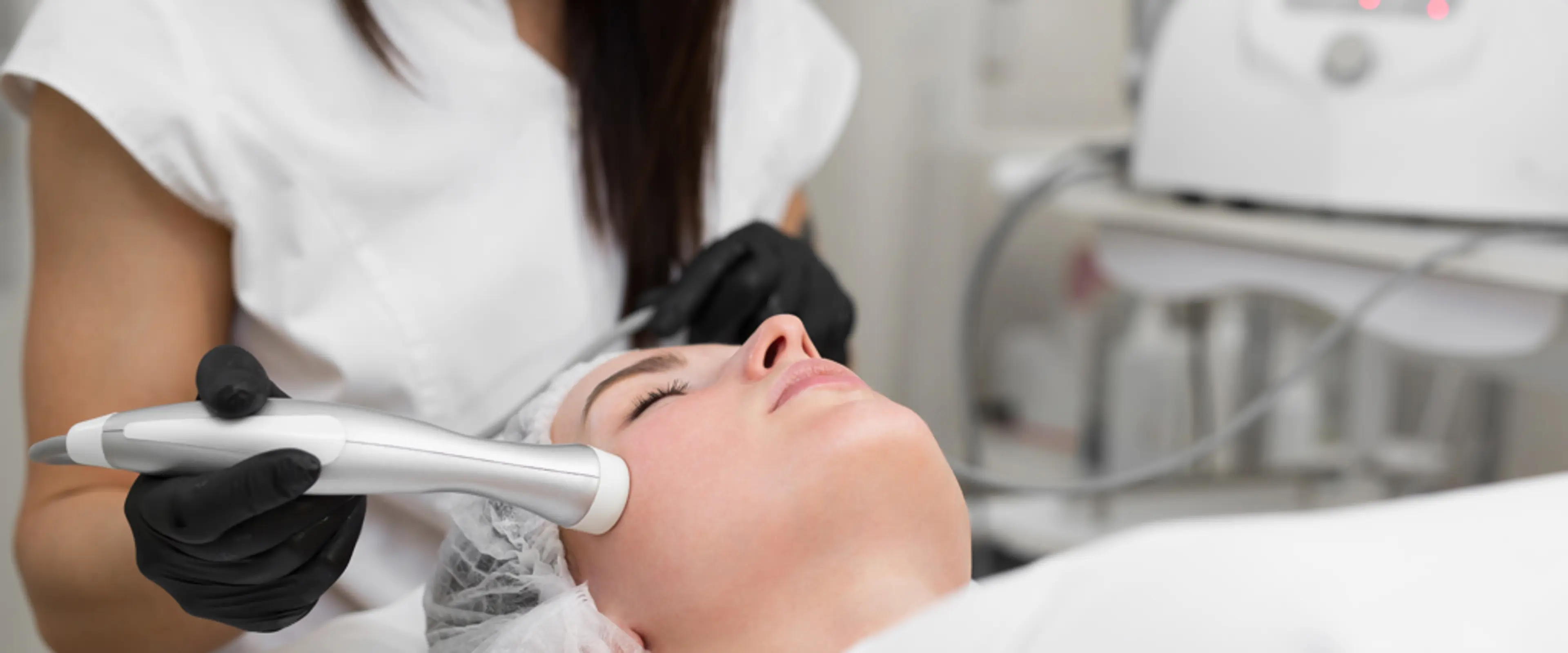
pico-lasers:-the-gold-standardTraditional lasers used heat to burn away melanin. Pico lasers are different. They deliver energy in picoseconds (one-trillionth of a second). This "photo-acoustic" effect shatters the pigmentation into tiny particles like dust without burning the surrounding skin. This leads to faster results and almost zero downtime.
Medical-Grade Chemical Peels
medical-grade-chemical-peelsFor surface-level issues, peels like Cosmelan or TCA remain highly effective. They exfoliate the damaged layers while inhibiting the enzymes that produce new melanin.
Exosome Therapy: The Biological Edge
exosome-therapy:-the-biological-edgeAs we move further into advanced regenerative medicine, Exosomes have become a game-changer. These are tiny cellular messengers that tell your skin to stop overproducing pigment and start repairing the skin barrier. When paired with a laser, they significantly improve the "After" result.
Recovery & Aftercare: Protecting Your Investment
v.-recovery-and-aftercare:-protecting-your-investmentWhat you do after you leave the clinic is just as important as the treatment itself.
The First 24 Hours
the-first-24-hoursIt is normal to experience mild redness, similar to a light sunburn. You may notice your spots looking darker—this is called the "peppered" effect. This is a good sign! It means the pigment has been successfully targeted and is rising to the surface to flake off.
The Non-Negotiables
the-non-negotiablesSPF 50+: Think of this as a biological shield. Without it, the laser work is undone within minutes of sun exposure.
Hydration: Use medical-grade recovery creams to keep the skin barrier intact.
No Picking: As the pigment flakes off, let it happen naturally. Picking can lead to scarring.
Risks & Safety: What Could Go Wrong?
risks-and-safety:-what-could-go-wrongWhile complications are rare in a clinical setting, we believe in full transparency.
Hypopigmentation: If a laser is too strong, it can kill the melanocytes, leaving white spots. This is why choosing a certified dermatologist over a "med-spa" is vital.
Rebound Hyperpigmentation: Heat can trigger melasma to come back darker. This is why we prioritize Pico technology, which uses light and sound rather than intense heat.
Global Cost Comparison: Why South Korea Wins
vii.-global-cost-comparison:-why-south-korea-wins
When discussing value, South Korea is globally recognized as the cheapest and best destination for high-tech pigmentation removal. Because many of the world's leading lasers are manufactured in Seoul, clinics there avoid import taxes and have the highest volume of expertise in the world.
Average Cost per Session (USD)
average-cost-per-session-(usd)Procedure Type | South Korea | USA / Europe | Australia |
|---|
Pico Laser Toning | $100 – $250 | $600 – $1,200 | $350 – $700 |
IPL (Photo-facial) | $80 – $150 | $400 – $700 | $250 – $500 |
Glutathione IV Drip | $40 – $80 | $200 – $400 | $150 – $300 |
Initial AI Skin Analysis | Included / $30 | $150+ | $100+ |
In Seoul, high-end medical care is treated as a standard daily necessity, making the latest technology accessible to everyone.
Frequently Asked Questions
viii.-frequently-asked-questions-(faq)1.Does Pigmentation Removal Hurt?
1.does-pigmentation-removal-hurtMost patients describe the sensation as a light rubber band snapping against the skin. We use high-potency numbing cream to ensure the process is very tolerable.
2.Can I Fly Right After My Session?
2.can-i-fly-right-after-my-sessionYes. Unlike invasive surgery, modern non-ablative lasers do not break the skin surface. They are travel-safe, making them perfect for international patients.
3.How Many Sessions Do I Need?
3.how-many-sessions-do-i-needFor deep-seated pigmentation, we usually recommend a series of 3 to 5 sessions spaced a few weeks apart for a total transformation.
4.Is The Result Permanent?
4.is-the-result-permanentThe spots we remove are gone. However, your skin is a living organ. New spots can form if you don't use strict sun protection.
Conclusion
ix.-conclusion:-your-journey-to-radiancePigmentation is a marathon, not a sprint. It took years for sun damage and hormonal changes to appear on your skin, and it takes a few months of scientific, methodical care to reverse it.
At Delight Dermatology Clinic, we don't just treat spots; we treat the person behind them. Our goal is to break the "makeup cycle" and give you the freedom to wake up and feel beautiful in your own skin.