Introduction
introductionUnwanted body and facial hair is a common concern for many people. From shaving and waxing to chemical treatments, countless methods exist to remove hair temporarily. However, permanent hair removal techniques have become increasingly popular, offering long-term or even permanent solutions to hair growth. These methods can save time, money, and effort in the long run, though they come with their own set of considerations. Below is an in-depth look at some of the most effective permanent hair removal techniques, including their mechanisms, benefits, drawbacks, and factors to consider when choosing the right treatment for you.
Laser Hair Removal
1.-laser-hair-removalHow It Works:
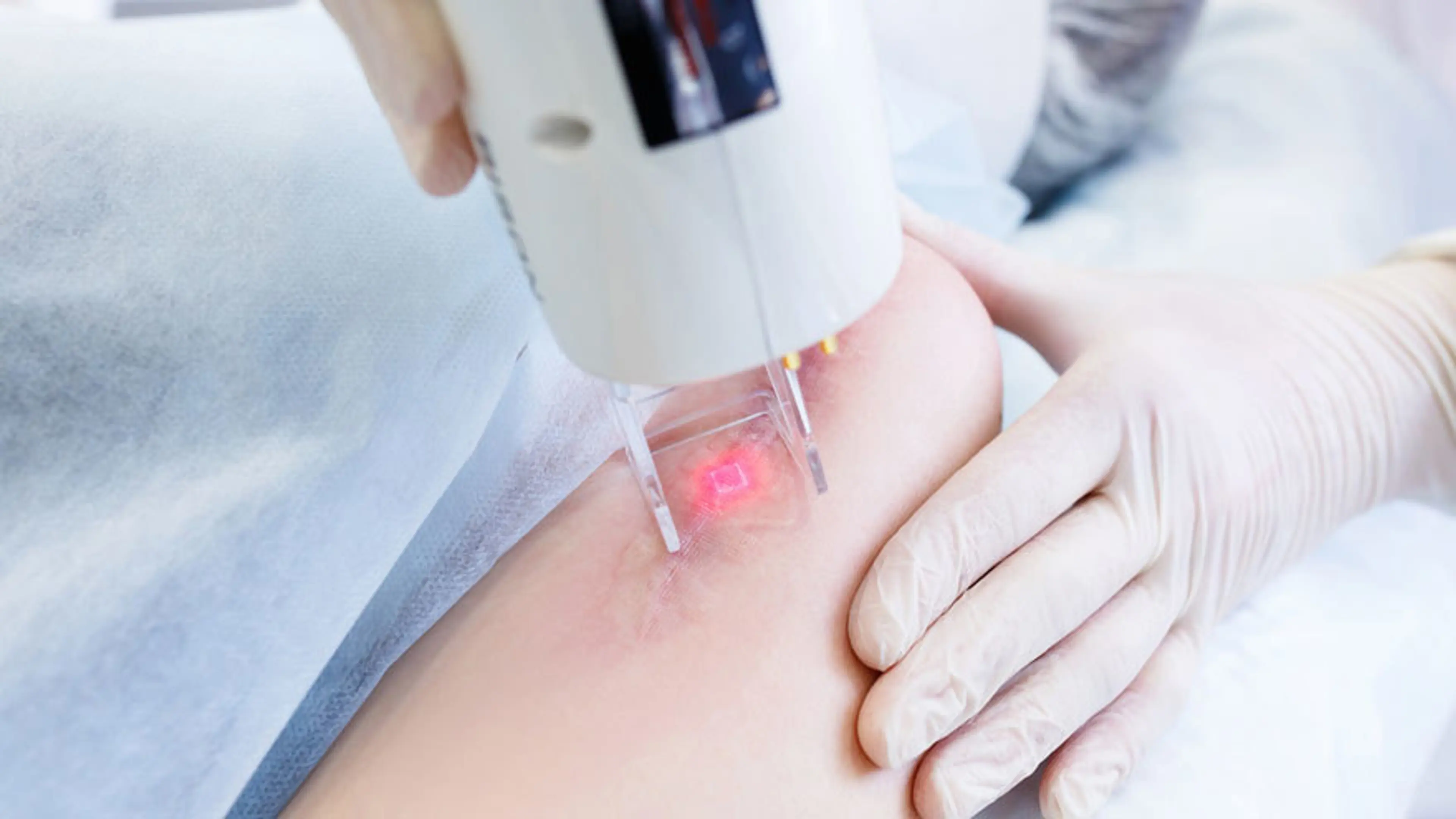
Laser hair removal uses focused light energy to target the pigment in hair follicles. This process, known as selective photothermolysis, emits light pulses that are absorbed by the melanin (pigment) in the hair. The absorbed light is converted into heat, which damages the hair follicle and inhibits its ability to grow new hair.
Effectiveness:
Laser hair removal is a highly effective and popular method for permanent hair reduction. The technique works best on individuals with light skin and dark hair, as the contrast allows the laser to focus more effectively on the hair follicle. However, recent advancements in technology have made lasers more effective for darker skin tones as well.
Pros:
Long-lasting results: Laser treatments can significantly reduce hair growth, with some individuals achieving permanent hair removal after several sessions.
Minimal discomfort: Many people report feeling a mild sensation like the snap of a rubber band, with modern lasers designed to reduce pain.
Minimal downtime: After a session, most people can return to their normal activities without significant discomfort or irritation.
Cons:
Multiple sessions required: Since laser hair removal targets hair in its active growth phase (anagen), multiple sessions are needed to treat all the hair follicles. This can take several weeks or months.
Not effective on light or fine hair: The treatment works best on dark, coarse hair. People with blonde, grey, or red hair may not see as much success.
Cost: Laser hair removal can be expensive, and since multiple sessions are needed, the total cost can add up.
Clinical Considerations:
Laser hair removal is FDA-approved for use in the treatment of unwanted hair and has been deemed safe when performed by a qualified professional. Patients with darker skin tones may need a specific type of laser (e.g., Nd:YAG) to minimize the risk of pigmentation changes.
Electrolysis
2.-electrolysis
How It Works:
Electrolysis involves inserting a fine probe into each individual hair follicle. The probe delivers a small electric current that destroys the hair follicle’s ability to produce hair. The electric current can be delivered using three different methods: galvanic (chemical), thermolysis (heat), or a combination of both.
Effectiveness:
Electrolysis is the only FDA-approved method for permanent hair removal. It is effective on all hair types and colors, as well as on all skin tones. This makes it an ideal option for people who are not candidates for laser hair removal, especially those with light-colored hair or darker skin.
Pros:
Permanent hair removal: Electrolysis is the only FDA-approved method for permanent hair removal.
Suitable for all hair colors and skin types: Unlike laser treatments, electrolysis works on all hair colors (including light and grey) and all skin tones.
Precision: Electrolysis targets individual hair follicles, making it an excellent option for small or sensitive areas, such as the eyebrows, upper lip, and chin.
Cons:
Time-consuming: Electrolysis is a meticulous process, as each hair follicle must be treated individually. This makes it time-consuming, especially for larger areas.
Painful: Many people experience discomfort during electrolysis, although numbing creams can be applied to ease pain.
Cost: Since electrolysis requires treating each follicle individually, it can be more expensive compared to other methods like laser hair removal.
Clinical Considerations:
Electrolysis is widely regarded as safe, but patients should seek out a licensed and experienced electrologist to ensure optimal results. The risk of side effects, such as scarring and skin discoloration, is minimal when the procedure is done correctly.
Intense Pulsed Light (IPL)
3.-intense-pulsed-light-(ipl)How It Works:
Intense Pulsed Light (IPL) is a non-laser light-based treatment that uses a broad spectrum of light waves to target the pigment in hair follicles. IPL devices emit light pulses that are absorbed by the melanin in the hair, heating the follicle and inhibiting future growth. While IPL works on a similar principle to laser hair removal, the light used is not as concentrated or specific in wavelength.
Effectiveness:
IPL can be an effective hair removal method, though it is typically less effective than laser treatments. Its results can vary depending on factors like skin tone, hair color, and the device used.
Pros:
Cost-effective: IPL is generally more affordable than laser hair removal, making it an attractive option for those on a budget.
Suitable for large areas: IPL treatments can cover larger areas, such as the legs, back, and arms, more quickly than electrolysis.
Non-invasive: IPL does not involve needles or incisions, and the procedure is generally less painful than electrolysis or laser treatments.
Cons:
Not as effective for all skin tones or hair colors: IPL tends to be less effective for people with darker skin tones or light-colored hair, as the light has difficulty differentiating between the hair and skin.
Multiple sessions required: As with other hair removal methods, multiple IPL sessions are needed to achieve permanent hair reduction.
May cause side effects: Although rare, IPL can cause skin irritation, pigmentation changes, or blistering if not performed properly.
Clinical Considerations:
IPL is not as specific as laser hair removal in terms of targeting hair follicles. Some IPL devices are approved by the FDA, but patients should be cautious and ensure that the device being used is safe and effective. A consultation with a licensed professional is highly recommended.
Diode Laser Hair Removal
4.-diode-laser-hair-removal
How It Works:
Diode laser hair removal uses a specific wavelength of light that penetrates deeper into the skin compared to other laser types. The energy from the diode laser is absorbed by the pigment in the hair, destroying the follicle and preventing regrowth.
Effectiveness:
Diode lasers are particularly effective for darker skin tones, as the light is absorbed more selectively by the melanin in the hair and less by the surrounding skin. It can also be effective for thicker hair types.
Pros:
Works on a variety of skin tones: Diode lasers are effective for a range of skin types, especially darker skin tones that may not respond well to other lasers.
Fast treatment: Diode laser treatments are generally quick, making them a good choice for larger areas like the legs or back.
Minimal discomfort: Patients often report less discomfort compared to other types of laser hair removal.
Cons:
Multiple sessions required: As with all laser hair removal, multiple treatments are needed to achieve lasting results.
Expensive: Diode lasers can be more expensive than IPL or traditional lasers, though they often offer better results.
Clinical Considerations:
Diode lasers are FDA-approved for permanent hair reduction and are safe for a range of skin types. However, the treatment is not effective for lighter hair colors like blonde or grey.
At-Home Laser and IPL Devices
5.-at-home-laser-and-ipl-devicesHow It Works:
At-home laser and IPL devices use the same basic technology as professional treatments but are designed for safe use outside of a clinical setting. These devices emit light pulses to target hair follicles, inhibiting future growth.
Effectiveness:
While convenient, at-home devices tend to be less powerful than professional lasers, so results may take longer to achieve. They are more suitable for individuals with light to medium skin tones and darker hair.
Pros:
Convenient and affordable: At-home devices offer a more affordable, private way to undergo hair removal treatments.
Safe for regular use: These devices are designed with safety features to minimize risks.
Cons:
Less powerful than professional treatments: At-home devices tend to have a lower energy level, meaning results will take longer to manifest.
Limited effectiveness on certain skin and hair types: At-home devices may not be suitable for people with very dark skin or light-colored hair.
Clinical Considerations:
While at-home devices are generally safe, users should carefully follow the manufacturer’s instructions to avoid side effects such as burns or pigmentation changes.
Threading
6.-threadingHow It Works:
Threading is a manual hair removal technique that involves twisting a thin cotton or polyester thread around hair to remove it from the root. Though not a permanent hair removal solution, it offers a longer-lasting alternative to shaving.
Effectiveness:
Threading can be highly effective for small areas such as the eyebrows, upper lip, and chin. It is not suitable for large body areas like the legs or back.
Pros:
Precision: Threading provides a highly precise method of hair removal, ideal for shaping eyebrows or removing fine facial hair.
No chemicals involved: Threading is a natural technique with no risk of chemical irritation.
Cons:
Temporary results: Threading only provides temporary hair removal, and treatments need to be repeated every few weeks.
Painful: The procedure can be painful, especially in sensitive areas.
Limited to small areas: Threading is not practical for larger areas of the body.
Conclusion
conclusionWhen choosing a permanent hair removal method, it’s essential to consider factors like your skin type, hair color, pain tolerance, budget, and the area to be treated. While laser hair removal, electrolysis, and IPL remain some of the most effective options for permanent hair removal, no method is entirely free of potential side effects or limitations.
Laser hair removal is often the go-to option for those looking for long-lasting results, but electrolysis offers a universal solution for all skin types and hair colors. IPL devices are a more affordable choice for those seeking convenience, while at-home devices provide a more budget-friendly option, albeit with potentially slower results.
Consulting with a
licensed professional is critical to determining the right treatment for you. By considering your specific needs and preferences, you can make an informed decision about which permanent hair removal technique will work best for you.