Home / Articles
Microneedling for Scar Treatment and Skin Renewal
Home / Articles
Microneedling for Scar Treatment and Skin Renewal
A dermatologist’s in-depth guide from Delight Dermatology Clinic, Seocho–Gangnam
To be honest, we hear this nearly every day at Delight Dermatology Clinic. Many patients have tried at-home rollers, YouTube DIY routines, or even sporadic clinic sessions elsewhere — yet their scars remain visible, their texture still uneven, and their frustration quietly growing.
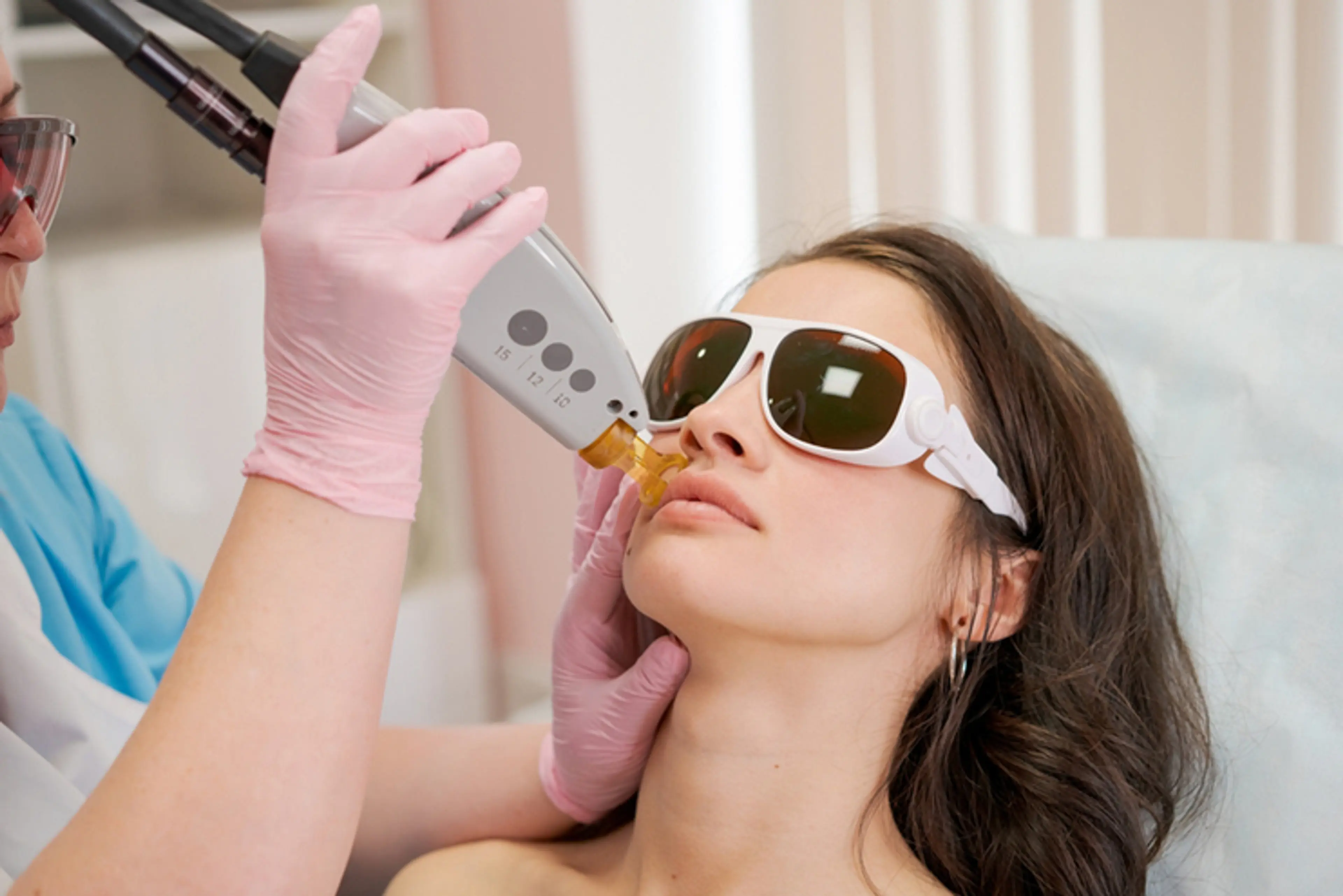
Microneedling is a minimally invasive dermatologic procedure that uses ultra-fine needles to create precise micro-injuries in the skin. These microchannels signal the body to begin repairing itself — naturally producing new collagen, elastin, and extracellular matrix components.
We often describe it to patients this way:
“Imagine rebuilding the scaffolding under the skin, strengthening areas that have collapsed due to acne scars, aging, or chronic inflammation.”
Unlike older resurfacing technologies that depended heavily on heat, microneedling works mechanically. This makes it suitable for a broader range of skin types — especially in Korea, where pigmentation risk must always be considered carefully.
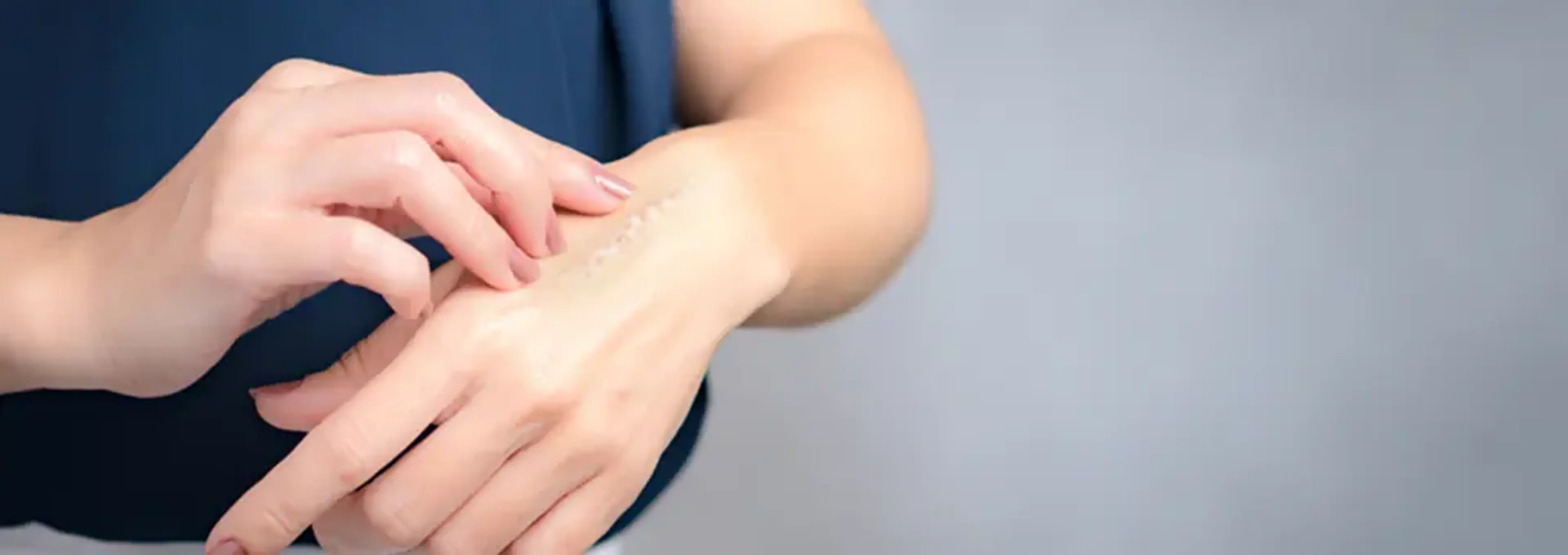
Acne scars, particularly atrophic scars (ice pick, boxcar, rolling), form when inflammatory acne destroys collagen. The skin’s “support beams” collapse, leaving dips and shadows.
Microneedling helps by:
The micro-injuries activate fibroblasts — the cells responsible for collagen and elastin production. Over the next 3–6 months, the skin gradually rebuilds itself from within.
Scar tissue often tethers deeper layers of the skin, creating indentations. Controlled needling can mechanically release these adhesions, allowing smoother skin reformation.
During treatment, medical-grade serums or growth factors may be applied to amplify healing. These are not cosmetic ampoules — they are skin-regenerative actives designed to support deep dermal repair.
As new collagen forms, pores appear tighter, fine lines soften, and overall texture becomes more uniform.
There are three common misunderstandings:
Home rollers do not penetrate deep enough to remodel scars. Many patients unknowingly damage their skin barrier or induce PIH (post-inflammatory hyperpigmentation), especially those with Fitzpatrick III–IV tones common in Korea.
The angle, needle depth, pressure, pattern, and device quality all influence outcomes. A board-certified dermatologist adjusts these variables based on scar type, skin thickness, and pigmentation risk.
This multi-layered, customized approach is where true results come from.
Patients frequently ask, “Do I need RF microneedling, like Potenza, instead of regular microneedling?”
Here’s how we break it down:
Best for early scars, mild texture issues, enlarged pores
Suitable for patients with sensitive skin
Ideal for lighter resurfacing with minimal downtime
Delivers radiofrequency energy through the needles
Stronger collagen remodeling effect
Better for medium to deep acne scars, wrinkles, and skin laxity
More dramatic tightening and smoothing
Slightly more downtime, but superior long-term outcomes
Aging, stress, pollution, and inflammation all gradually weaken collagen — Korea’s fast-paced lifestyle only accelerates the process. Many patients come to us saying:
“Doctor, I keep treating pigmentation and pores, but my skin still looks tired.”
That’s because surface-level treatments cannot compensate for weakened structural layers beneath.
Microneedling helps rebuild what time and chronic acne have taken away. It restores thickness, elasticity, and firmness — the qualities people associate with truly youthful skin, not just fair or even-toned skin.
We personalize every session based on scar depth, skin sensitivity, and long-term goals. A typical visit includes:
We analyze scar patterns, evaluate skin thickness, and identify which modalities (microneedling alone or combined therapies) will provide the fastest and safest improvement.
Micro-injuries should be precise, not painful. Expert numbing ensures comfort.
Different areas require different depths. For example:
Cheeks: thicker skin → deeper needling
Forehead: thin skin → shallow precision
Tethered scars: targeted release
This nuance is where experience matters most.
We apply dermatology-grade serums that support healing and collagen synthesis more effectively than cosmetic ampoules.
Our recovery protocol minimizes redness and reduces downtime — a priority for working professionals in Gangnam.
Most patients see visible refinement within 2–4 weeks, with continued improvement for months.
Yes — when performed by a trained dermatologist. However, Korean skin is more prone to:
PIH (post-inflammatory hyperpigmentation)
Reactive redness
Sensitivity after inflammation
We adjust treatment depths, spacing, and post-care protocols to reduce pigmentation risk. Patients with melasma, recent sun exposure, or active inflammation require additional precautions.
One thing we emphasize often:
“Microneedling is safe — but only when inflammation is controlled. Inflamed skin cannot heal intelligently.”
This is especially important for patients with ongoing acne.
Most patients require:
Spacing treatments appropriately (usually 4–6 weeks apart) allows collagen to remodel optimally.
Beyond scar care, microneedling is excellent for general rejuvenation. Patients choose it for:
Enlarged pores
Fine lines
Dullness
Uneven texture
Early signs of laxity
Skin that’s lost its natural glow
We see many patients in their 30s and 40s choosing microneedling as a long-term maintenance tool — a way to “bank collagen” while preventing more dramatic signs of aging later on.
At Delight Dermatology Clinic, we rarely rely on a single “miracle” procedure. Our philosophy is layered and long-term:
Microneedling rebuilds collagen.
Laser toning evens pigmentation.
Ulthera or Thermage supports deeper lifting.
Potenza addresses stubborn scars and tightening.
Medical skincare maintains clarity and barrier health.
This combination approach is why our patients see lasting improvements instead of temporary surface changes.
Microneedling is ideal if you:
Have mild to moderate acne scars
Want smoother, more refined texture
Prefer minimally invasive treatments
Want natural, gradual results
Have pores that look more visible with age
Are seeking a collagen-boosting maintenance plan
It is not ideal if you currently have:
Active inflammatory acne
Ongoing infections or eczema flare-ups
Recent sunburn or tanning
Severe keloid tendencies
Recent isotretinoin use (requires consultation)
A proper dermatologic evaluation ensures safety and effectiveness.
Patients often tell us they notice:
Softer acne scars
Smaller-looking pores
Smoother texture
Brighter, more uniform tone
Better makeup application
A “freshened” look without looking treated
But the most important change happens beneath the surface — stronger collagen architecture that ages slower over time.
Whether you live in Seocho-gu, Gangnam, or are visiting Seoul for medical tourism, choosing the right clinic matters more than the device itself. What influences your outcome is:
The dermatologist’s experience in scar analysis
Ability to combine techniques (subcision, laser, RF)
Understanding of Korean skin biology
Commitment to personalized aftercare
A long-term vision for skin health
At Delight Dermatology Clinic, our approach reflects the blend of global training and Korean aesthetic sensitivity:
If you’ve been struggling with persistent acne scars or uneven texture — or simply want healthier, more resilient skin — consider exploring a personalized microneedling program guided by dermatologists who understand both medical skin health and refined aesthetic outcomes.