Introduction
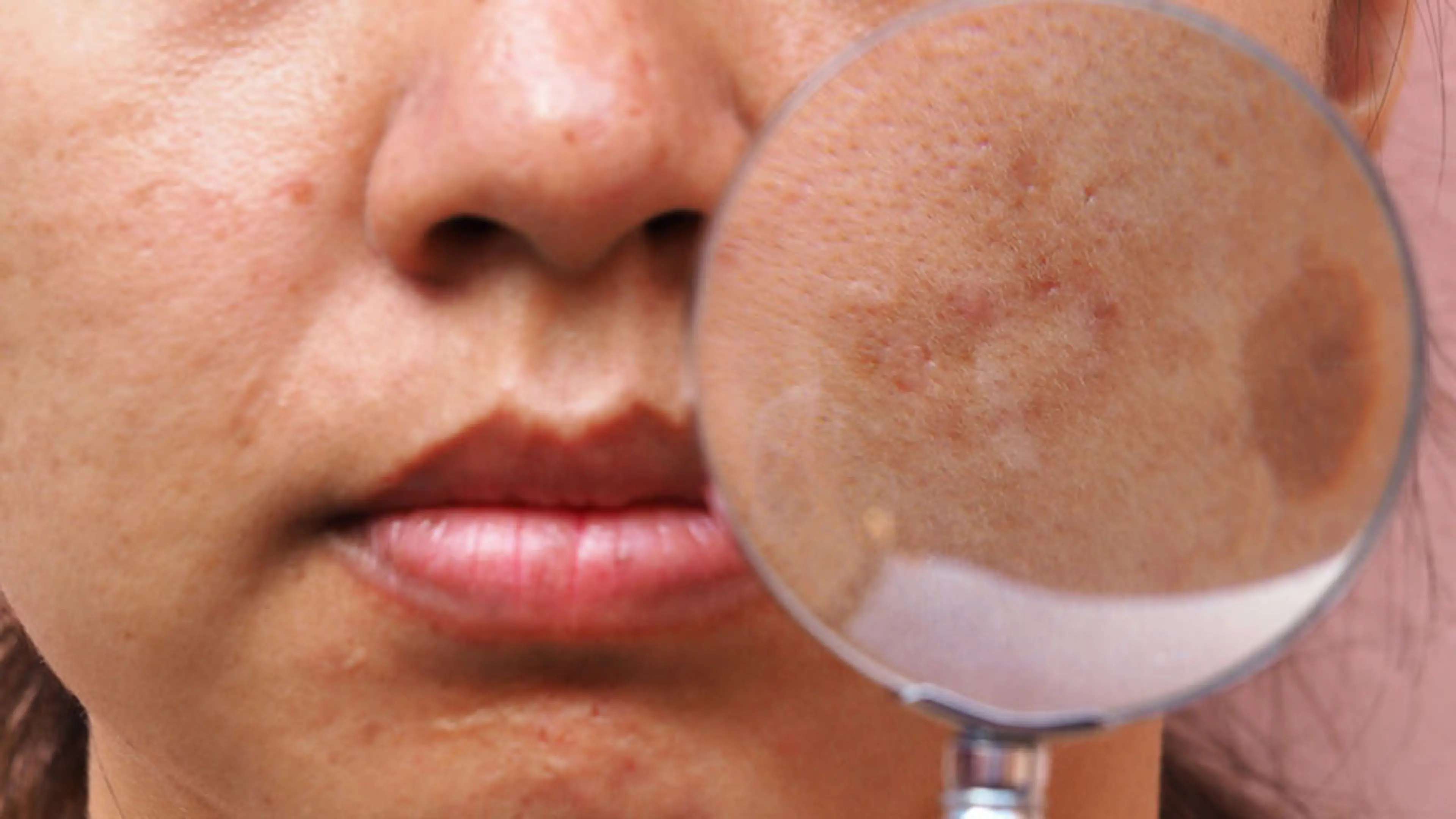
introductionIf you’ve ever looked in the mirror and noticed stubborn dark patches or scattered spots that seem to multiply under the Korean summer sun, you’re not alone. At Delight Dermatology Clinic in Gangnam, one of the most common concerns patients bring to us is pigmentation — whether it’s melasma, lentigines (sunspots), or freckles.
These conditions often appear similar on the surface, but they each require a tailored approach for safe, lasting management. In Korea’s beauty culture, where “glass skin” has become a global standard, pigmentation can feel like a shadow that no BB cream or concealer can truly erase.
To help you understand your skin better — and to avoid the trial-and-error that leaves so many patients frustrated — let’s explore what each condition really is, why it develops, and how modern dermatology can help.
Understanding the Difference: Melasma, Lentigines, and Freckles
understanding-the-difference:-melasma-lentigines-and-frecklesMany patients come in saying, “Doctor, I have melasma,” when in fact they may have lentigines or freckles. While all three involve pigment, their causes and treatments differ significantly — which is why correct diagnosis is the first and most important step.
Melasma: The Hormonal Shadow
melasma:-the-hormonal-shadowMelasma appears as
symmetric brown or gray-brown patches, usually on the cheeks, forehead, upper lip, or chin. It’s strongly linked to hormones (pregnancy, birth control, thyroid health), genetics, and sun exposure. Unlike freckles or sunspots, melasma is not just on the skin surface — it sits deeper, involving the
dermal-epidermal junction.
We often describe melasma as a shadow cast beneath the skin, which explains why it tends to darken with heat, sunlight, or stress, and why it doesn’t fully disappear with quick treatments.
Lentigines: The Sun’s Imprint
lentigines:-the-sun's-imprintLentigines, often called sunspots or age spots, are sharply defined brown spots caused by chronic UV exposure. They typically appear on sun-exposed areas: the face, hands, shoulders, and chest. Unlike melasma, lentigines are localized and don’t have a hormonal trigger.
For many Korean patients, lentigines develop in their late 20s to early 40s, especially after years of outdoor activities or tanning beds. Left untreated, they not only add years to one’s appearance but also signal deeper photodamage, which accelerates aging.
Freckles: The Genetic Sprinkle
freckles:-the-genetic-sprinkleFreckles (ephelides) are small, light-to-dark brown spots that appear in childhood or adolescence and darken with sun exposure. They’re more common in lighter skin types but can be seen in Koreans as well, particularly in those with a family history.
Unlike lentigines, freckles often fade in winter. Patients usually seek treatment not because freckles are dangerous, but because they create a blotchy or uneven tone that is hard to cover with makeup.
Why Pigmentation is So Hard to Treat on Your Own
why-pigmentation-is-so-hard-to-treat-on-your-own
To be honest, what many patients in Gangnam overlook is that pigmentation is not just a “surface stain” you can scrub away. Over-the-counter brightening creams or aggressive exfoliation often worsen the problem.
Melasma deepens with irritation. At-home lasers, harsh peels, or overuse of retinol can trigger inflammation, leading to rebound hyperpigmentation.
Sunspots require precision. Without medical-grade devices, most at-home solutions cannot selectively break down the melanocytes that cluster in lentigines.
Freckles are stubborn. Even if they lighten in winter, they almost always return in summer unless you adopt long-term sun protection and professional guidance.
Pigmentation is a biological defense mechanism — the skin produces melanin to protect against UV and oxidative stress. This means unless you address both root causes and surface pigment, results are usually short-lived.
That’s why dermatologists emphasize layered treatment strategies over miracle creams.
Advanced Treatments at Dermatology Clinics
advanced-treatments-at-dermatology-clinicsAt Delight Dermatology, we combine medical precision with aesthetic artistry. A successful pigmentation program requires balancing effectiveness and safety, especially for Asian skin types that are prone to post-inflammatory hyperpigmentation.
1. Tailored Laser and Energy Devices
1.-tailored-laser-and-energy-devicesFor Melasma:
We use low-fluence Q-switched Nd:YAG (“laser toning”), Picosecond fractional lasers, or gentle resurfacing treatments. The goal is gradual pigment reduction without overheating the skin. Too aggressive a treatment risks worsening melasma, which is why experience matters enormously.
For Lentigines:
High-precision spot lasers, such as Q-switched or picosecond devices, can directly target pigment clusters. In many cases, lentigines lighten dramatically in just 1–2 sessions, though follow-up is needed to prevent recurrence.
For Freckles:
Similar laser technology is used, but because freckles are genetic, treatment often needs maintenance sessions and strict UV avoidance.
At our clinic, we often explain lasers as “using a fine eraser to lift ink stains from paper — without tearing the page.”
2. Prescription Topicals
2.-prescription-topicalsHydroquinone and derivatives can block melanin production.
Tranexamic acid (topical or oral) has shown impressive results in melasma by calming the pigment-triggering pathway.
Retinoids promote cell turnover, helping fade surface pigment.
Vitamin C and niacinamide offer antioxidant and brightening support.
These are often combined into custom formulations tailored to each patient’s skin type and sensitivity. Importantly, they must be prescribed and monitored to avoid irritation.
3. Collagen and Skin Health Support
3.-collagen-and-skin-health-supportIn patients in their 30s–50s, pigmentation rarely comes alone. Fine lines, sagging, and dullness often overlap. Treatments like Thermage (radiofrequency tightening), Ulthera (ultrasound lifting), or Potenza (RF microneedling) help rebuild the skin’s foundation. By restoring collagen and improving circulation, these treatments make the skin more resilient, and pigmentation treatments work more effectively.
4. Lifestyle & Sun Protection
4.-lifestyle-and-sun-protectionThis is where many patients either succeed or fail. Even the best lasers cannot outcompete daily UV exposure. Dermatologists universally recommend:
Broad-spectrum sunscreen (SPF 50+, reapplied every 2–3 hours outdoors).
Wide-brimmed hats and sunglasses.
Avoiding tanning beds and prolonged sauna sessions.
Adding antioxidants (oral vitamin C, green tea extract, or glutathione where appropriate) for systemic protection.
At Delight, we remind patients: “Every minute of sun protection saves weeks of treatment.”
Realistic Expectations: Can Pigmentation Be Cured?
realistic-expectations:-can-pigmentation-be-cured
Patients often ask us, “Doctor, can you remove my melasma completely?” The honest answer is:
Melasma is chronic. It can be controlled and lightened, but it requires long-term management. Think of it like “diabetes of the skin” — consistent care keeps it in remission.
Lentigines and freckles respond better. They often clear faster, but freckles can recur in summer, and sunspots can reappear with continued sun exposure.
The biggest factor in success is patient compliance. Many see great improvement but relapse when they stop sunscreen or skip maintenance sessions.
The Delight Dermatology Approach
the-delight-dermatology-approachWhat sets our clinic apart is not just the devices we use but how we design programs around real-life patient needs.
Diagnosis-first: We don’t treat pigmentation blindly. Using VISIA skin analysis and dermoscopy, we determine the depth and distribution of pigment before recommending lasers or topicals.
Combination therapy: Rather than relying on a single “miracle device,” we layer treatments — for example, alternating picosecond sessions with brightening topicals and supportive collagen therapy.
Patient partnership: We educate patients about realistic timelines. Most pigmentation programs run 3–6 months, with maintenance every season. This avoids frustration and builds sustainable results.
When to See a Dermatologist
when-to-see-a-dermatologistIf you notice:
Pigment patches spreading despite using sunscreen,
Spots that look darker, irregular, or raised (to rule out skin cancer),
Recurring pigmentation despite over-the-counter brightening products,
…it’s time to consult a
dermatologist.
A clinic visit provides not only accurate diagnosis but also reassurance. Many patients discover they were mislabeling their pigmentation for years, wasting time and money on the wrong solutions.
Final Thoughts
final-thoughtsPigmentation is more than a cosmetic issue — it affects self-confidence, social interactions, and even how comfortable patients feel in broad daylight. The good news is, with modern dermatology, clearer, brighter skin is absolutely achievable when managed correctly.
At Delight Dermatology Clinic in Gangnam, we see pigmentation as both a medical challenge and an artistic journey. By blending advanced devices, global expertise, and personalized care, we help patients achieve luminous, even-toned skin that feels naturally theirs.
If you’ve been struggling with melasma, sunspots, or freckles, consider a consultation at a dermatologist-led clinic like
Delight Dermatology. With precise diagnosis, gentle but effective treatments, and a realistic long-term plan, you can step into the world with skin that feels healthier, brighter, and more confident.