Introduction
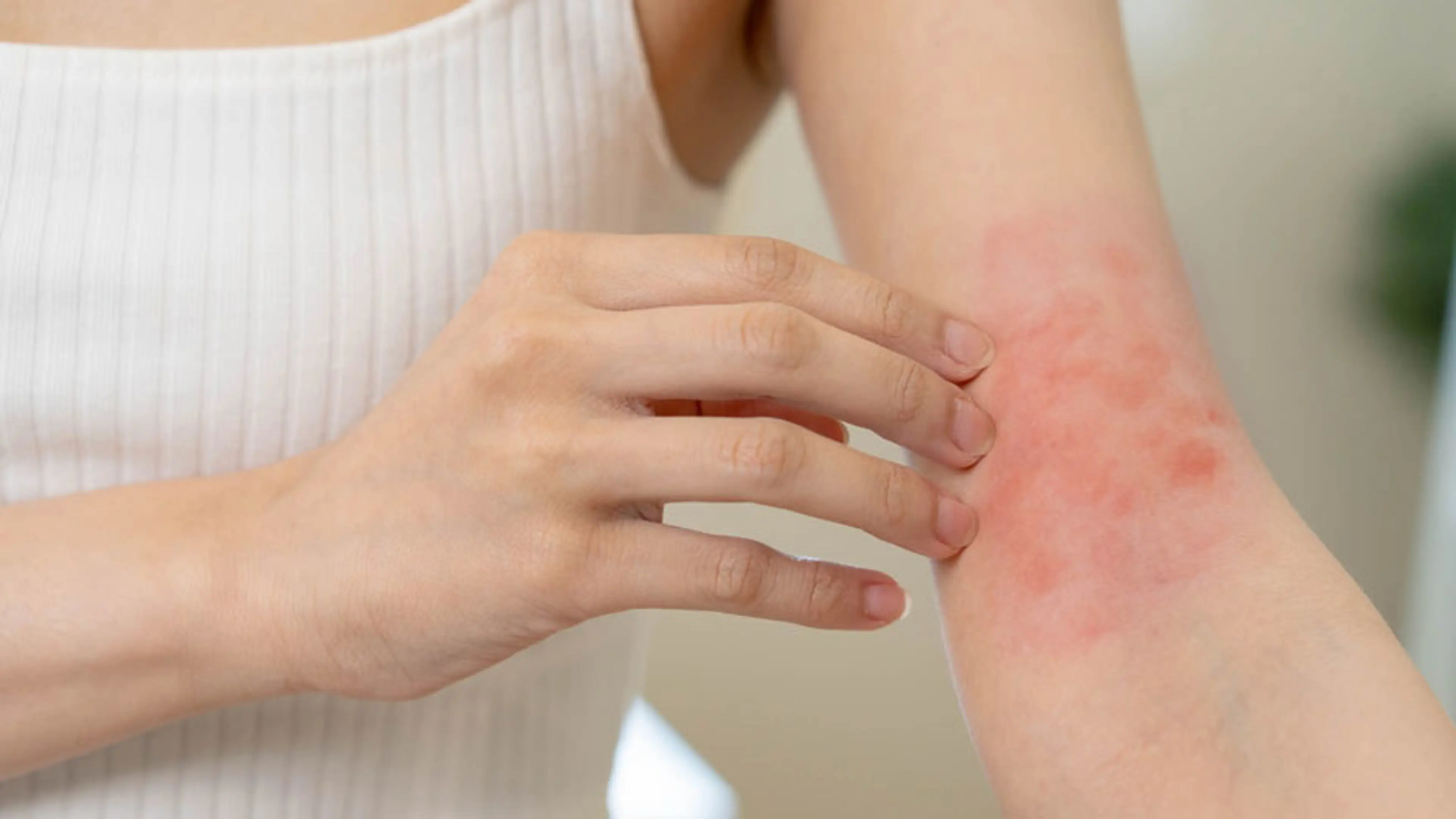
introductionImagine this: you wake up one morning and notice itchy red welts scattered across your arms. They seem to appear and disappear unpredictably, leaving you frustrated and anxious. For many patients in Seoul, these sudden outbreaks — often diagnosed as hives (urticaria) — are more than just a passing skin irritation. They can affect sleep, concentration, and even social confidence. Add to that the challenges of environmental allergies common in Korea, and it becomes clear why dermatological guidance is essential.
At Delight Dermatology Clinic in Seocho-gu, Gangnam, we see patients every week who struggle with recurrent hives or allergy-related skin problems. While some think of allergies as primarily a respiratory issue, the skin often tells the earliest and clearest story. Let’s explore what hives and allergic skin conditions really are, why they persist, and how a dermatologist-led approach can bring both relief and long-term stability.
What Are Hives and How Do They Present?
what-are-hives-and-how-do-they-presentHives (urticaria) are raised, itchy, reddish welts that can appear anywhere on the body. They often emerge suddenly and may fade within hours, only to reappear elsewhere. For some patients, this cycle continues for weeks or even months — a condition known as
chronic urticaria.
Key features include:
Itchiness: Often worse at night or after stress.
Fleeting nature: Individual spots may disappear quickly but recur in waves.
Triggers: Can include food, medication, stress, infection, or even temperature changes.
To many patients, hives feel unpredictable and alarming. Some worry it signals a serious illness, while others simply feel worn down by the constant itching. From a dermatological perspective, hives are the skin’s exaggerated reaction to histamine release, a chemical mediator in the body’s immune system. Histamine causes tiny blood vessels under the skin to leak fluid, creating the classic raised welts.
While antihistamines may suppress symptoms temporarily, they rarely address the deeper reasons why the immune system is overreacting. That’s why understanding the underlying causes — and not just calming the itch — is so important.
The Overlap Between Allergies and Skin
the-overlap-between-allergies-and-skin
Many patients in Gangnam come to us after trying over-the-counter allergy tablets, only to find their hives return. The truth is, skin-related allergies and respiratory allergies often overlap but behave differently.
Contact allergies: Everyday items like cosmetics, fragrances, or detergents can directly trigger rashes or eczema-like patches.
Food sensitivities: Shellfish, peanuts, alcohol, or even artificial preservatives may cause systemic hives hours after consumption.
Environmental triggers: Pollen, dust mites, pet dander, and fine particulate matter (PM2.5) — all common in urban Seoul — frequently worsen allergic skin reactions.
One overlooked fact is that chronic stress and irregular sleep also intensify allergic skin conditions. In Korea’s fast-paced work culture, patients often notice flare-ups during periods of fatigue or emotional strain. It’s not simply “in their head” — stress hormones can directly influence immune system activity, making the skin more reactive.
Another important overlap is with atopic dermatitis (eczema). Many patients with a history of eczema also experience hives or allergic sensitivities, creating a complex cycle of itching, scratching, and barrier disruption. This is one reason why dermatologists pay close attention to family history, personal skin patterns, and lifestyle context when treating hives.
Why Dermatological Expertise Matters
why-dermatological-expertise-mattersPatients often ask: “Shouldn’t I just see an allergist?” The answer is — it depends. While allergists specialize in systemic allergy testing and respiratory management, dermatologists bring unique insight into how allergic responses manifest on the skin.
At Delight Dermatology, we combine:
Precise diagnostic testing: Patch testing for contact allergens, blood work for immune markers, and sometimes biopsy for persistent rashes.
Dermatologist-led medication plans: Balancing antihistamines, short-term corticosteroids, and newer biologic therapies when appropriate.
Skin barrier restoration: Because inflamed or over-treated skin loses its protective function, making it more prone to allergy flare-ups.
To be honest, what many patients in Gangnam overlook is that managing hives isn’t just about “stopping the itch.” It’s about retraining the skin and immune system to stay calm in the long term. Dermatology care brings a dual focus: resolving the immediate discomfort while preventing chronic cycles of inflammation.
Advanced Options for Persistent Hives
advanced-options-for-persistent-hives
For patients with chronic urticaria, traditional antihistamines may not be enough. Dermatologists can offer treatments that go beyond symptom suppression:
Biologic therapies (e.g., omalizumab): These target specific pathways in the immune system that drive hives, especially when standard medications fail. Many patients see dramatic improvement within weeks.
Phototherapy: Certain cases of chronic hives respond to controlled ultraviolet light treatments, which help regulate immune activity in the skin.
Barrier-focused dermatology care: Repairing the skin barrier with medical-grade moisturizers, ceramide-rich creams, and anti-inflammatory treatments reduces sensitivity over time.
Lifestyle optimization: Identifying triggers such as alcohol, spicy food, or late-night stress habits can make a surprising difference.
At our clinic, we often combine these approaches with patient education. For example, one patient experienced recurring hives every spring. After thorough testing, we identified a combination of pollen allergy and nighttime wine consumption as key triggers. Adjusting these lifestyle factors alongside targeted medication gave her lasting relief.
The Korean Context: Why Patients Seek Relief
the-korean-context:-why-patients-seek-reliefIn Korea, where flawless “glass skin” is an aesthetic ideal, patients often feel heightened distress when allergic skin conditions occur. Temporary redness or swelling can feel like more than a medical issue — it becomes an emotional and social concern.
We’ve seen patients who avoided social gatherings because their hives seemed “uncontrollable,” or others who overused harsh at-home laser devices in desperation. The irony is that these at-home attempts often worsen the skin barrier, making allergic reactions more frequent.
Another cultural factor is the emphasis on clear, makeup-free skin in professional and social settings. For working professionals in Gangnam, visible hives or rashes can feel like a serious confidence barrier, especially during client meetings or social events. That’s why effective treatment isn’t just about health — it’s about restoring a sense of normalcy and self-assurance.
Practical Steps for Patients
practical-steps-for-patientsIf you’ve been experiencing recurrent hives or allergy-related rashes, here are some dermatologist-approved guidelines:
Track your triggers — Keep a diary of foods, activities, medications, or stress levels around flare-ups. This helps your dermatologist identify patterns that you might not notice.
Avoid self-medicating long-term — Over-reliance on drugstore antihistamines can mask symptoms but delay real solutions. Some medications also lose effectiveness when taken continuously without medical guidance.
Protect your skin barrier — Use fragrance-free, dermatologist-recommended moisturizers consistently. Avoid over-washing or scrubbing, which weakens the barrier further.
Don’t ignore persistent symptoms — If hives last more than six weeks, or if they interfere with daily life, it’s time to see a dermatologist. Chronic urticaria rarely resolves on its own.
Manage lifestyle stressors — Prioritize sleep, balanced meals, and moderate exercise. These may sound basic, but in our experience, patients who support overall wellness see better skin stability.
Finding Lasting Relief in Gangnam
finding-lasting-relief-in-gangnamAt Delight Dermatology Clinic, our approach to hives and allergies blends medical precision with patient-centered care.
Dr. Yun Sang Youl, Mayo Clinic training ensures global-level medical standards, while
Dr. Shin Hui Young, expertise in skin rejuvenation helps restore not only comfort but also confidence.
Whether it’s advanced allergy testing, targeted biologic therapy, or a customized skin program, our goal is not just to calm flare-ups but to create long-term stability for your skin.
If you’ve been struggling with unpredictable hives or allergic rashes, consider consulting a dermatologist-led clinic in Seoul that combines science-driven care with refined aesthetic insight. Relief — and healthier skin confidence — may be closer than you think.
Next Step for Readers:
next-step-for-readers:If your hives keep returning despite medications, ask your dermatologist about advanced treatment options like biologics.
If you suspect your skin care products are making your allergies worse, request patch testing.
And if you want a holistic, long-term plan for managing allergies and protecting skin health, visit a trusted clinic like
Delight Dermatology in Gangnam.