Home / Articles
Laser Treatment for Hyperpigmentation and Age Spots
Home / Articles
Laser Treatment for Hyperpigmentation and Age Spots
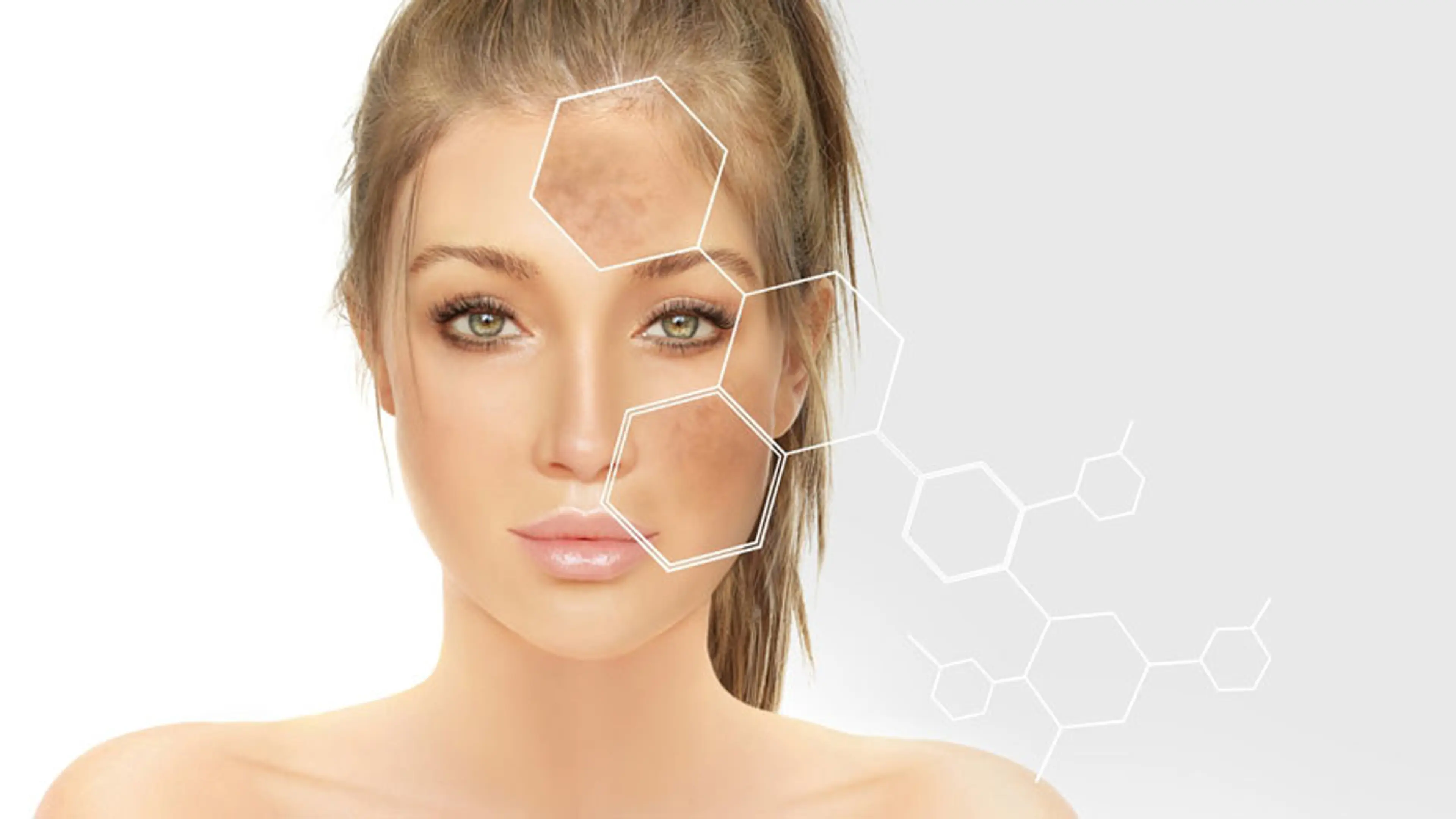
If you’ve ever felt defeated by stubborn dark spots — the kind that keep returning no matter how carefully you apply sunscreen or how many brightening serums you’ve tested — you’re not alone. At our clinic in Seocho, many first-time patients walk in feeling exactly this way. They’ve tried everything from drugstore vitamin C to at-home laser gadgets, yet the pigmentation remains like a lingering shadow.
Hyperpigmentation, especially among Korean patients and international residents living in Seoul, is more than a cosmetic concern. It affects confidence, disrupts daily makeup routines, and often becomes a source of frustration because it seems to fade… only to return twice as strong after a single weekend outdoors.
As dermatologists trained in both medical and aesthetic skin care, we want to share what actually works — the science, the real expectations, and how treatments can be safely customized for lasting results.
Pigmentation can come from:
Also called solar lentigines. These are sharply defined, isolated brown marks caused by accumulated UV damage. Unlike melasma, they respond well to targeted laser treatment.
The dark marks left behind after acne or irritation. This is especially common among patients with sensitive or reactive skin.
Genetic, superficial, and sometimes desired — but also removable if a patient wants a clearer canvas.
Each type requires a different approach. An at-home device or single “lightning” laser session usually can’t distinguish between them, which is why many patients unintentionally worsen their skin before seeking professional help.
Laser devices work by targeting melanin — the pigment responsible for darkening. The energy breaks the pigment into microscopic fragments that the body gradually clears.
But here’s the part many people misunderstand:
Different lasers penetrate at different depths, and selecting the right device requires careful medical assessment of your skin type, pigmentation depth, and even lifestyle. For example, patients who exercise outdoors or frequently travel to sunny climates need more conservative, long-term strategies.
At our clinic, we rely on several categories of devices, each chosen based on the patient’s case. Here’s how they work — and when they’re appropriate.
These devices deliver ultra-fast pulses (picoseconds = trillionths of a second) that shatter pigment more efficiently and with less heat.
Freckles
Sunspots
PIH
Textural concerns combined with pigmentation
Patients with busy schedules needing minimal downtime
Many patients feel comfortable returning to work the same day — just slight redness for a few hours.
The classic workhorse for Asian dermatology. Still highly effective when used properly.
Melasma (gentle settings only)
Overall brightening
Maintenance programs for chronic pigmentation disorders
These pinpoint sharp, defined age spots extremely effectively.
Solitary sunspots or age spots
Resistant freckles
Patients seeking dramatic one-session improvement
After treatment, spots often turn darker (“cookie crust” effect) and naturally peel off in 5–10 days.
These resurface microscopic columns of skin to treat deeper pigmentation and texture simultaneously.
Acne scars + pigmentation
Sun damage
Fine lines combined with discoloration
Something we frequently see — and it’s especially true among professionals living in Seoul — is this cycle:
Pigmentation appears from sun or stress
Patient tries stronger products or at-home lasers
Skin becomes irritated
Inflammation creates new pigmentation
Pigmentation worsens
Seoul’s lifestyle also plays a role:
Year-round outdoor UV exposure
High pollution levels
Trend-driven use of high-concentration acids or retinoids
Recreational outdoor activities on weekends
Laser treatment works — but only when paired with a long-term, lifestyle-aware plan.
At Delight Dermatology Clinic, every pigmentation program starts with a comprehensive, doctor-led evaluation. Not because it sounds sophisticated, but because incorrect diagnosis leads to incorrect treatment.
Most patients go through a three-phase plan:
Before any laser treatment, we often calm the skin first. This phase may include:
Medical-grade brightening agents (tranexamic acid, azelaic acid)
Strengthening the skin barrier
Gentle antioxidant therapy
Avoiding irritants and exfoliants
Ensuring consistent sunscreen habits
Most pigmentation requires a series of treatments spaced 1–4 weeks apart.
During each session, we adjust laser settings based on the skin’s response — a step that may look minor but is crucial for safe, natural results.
Our clinic uses multiple devices in combination when necessary, such as pairing pico-toning with targeted spot removal.
This is the stage many people underestimate. Pigmentation is like a chronic condition — it must be managed, not simply erased.
Maintenance can include:
Low-energy toning
Antioxidant facials
Topical pigmentation control
Occasional booster sessions
Seasonal adjustments
Patients with melasma especially require ongoing support to prevent relapse.
One of the most common questions we hear is:
Here’s the honest, dermatologist-backed timeline:
Often lighten significantly after 1 session
Full removal possible in 1–3 sessions
If the spot returns, it’s usually due to fresh UV damage, not failed treatment
1–2 sessions for dramatic clearance
May return seasonally without sun protection
2–5 sessions depending on inflammation level
Faster results when acne is controlled first
Gradual brightening over 4–10 sessions
Long-term maintenance required
Goal is control, not complete “eradication”
We emphasize this because unrealistic expectations often lead patients to choose overly aggressive treatments elsewhere — which ultimately worsen the condition.
When performed by trained dermatologists, laser treatment is generally safe for Asian, mixed, and darker skin tones. That said, certain risks exist:
PIH (darkening after treatment)
Redness or swelling
Mild crusting
Temporary dryness
At our clinic, we minimize risks by:
Using proven Asian-skin-safe devices
Customizing energy levels per session
Avoiding aggressive settings that damage the barrier
Combining treatment with pigment stabilizers
Respecting each patient’s healing speed
In Seoul’s competitive aesthetic landscape, it’s easy to feel overwhelmed by promotions: “Unlimited toning”, “Quick whitening”, “One-shot removal”.
However, pigmentation disorders aren’t just cosmetic; they’re medical. The depth of the lesion, the melanin location, the presence of vascular components, and skin thickness all influence how treatment should be delivered.
At Delight Dermatology:
Every session is adjusted based on subtle changes — hydration, weather, recent stressors, travel, or hormonal shifts.
It’s this level of attentiveness that prevents complications and ensures naturally radiant results.
Absolutely.
Think of lasers as clearing clouds and skincare as maintaining clear skies.
A well-designed home routine amplifies your results:
Broad-spectrum sunscreen (every day, year-round)
Antioxidants (vitamin C, resveratrol, niacinamide)
Pigmentation inhibitors (tranexamic acid, azelaic acid)
Gentle retinoids (if your skin tolerates them)
Barrier-strengthening moisturizers
We tailor each patient’s regimen to avoid irritation — especially for melasma-prone skin.
You may be a good candidate if:
Dark spots keep returning despite skincare
Freckles or age spots bother you cosmetically
You’ve developed PIH after acne or procedures
Your melasma worsens easily with heat or stress
Makeup no longer covers the discoloration
You want a longer-term solution, not temporary brightening
Patients often tell us they wished they’d come sooner — not for aesthetic reasons, but because proper diagnosis finally gave them peace of mind.
Avoid sun exposure for at least 2 weeks
Pause retinoids and acids 5–7 days before treatment
Do not use at-home laser devices (they can increase inflammation)
Inform your doctor if you're pregnant, breastfeeding, or have hormonal changes
Avoid tanning beds and heat-based facials
Stay hydrated — well-moisturized skin responds better to lasers
These small adjustments make a noticeable difference in both safety and results.
Hyperpigmentation can feel like a never-ending battle, but with the right diagnosis and a thoughtful treatment plan, your skin can genuinely change. It’s not about chasing perfection — it’s about restoring balance, confidence, and clarity.