Home / Articles
Hair Loss Treatment Seoul: PRP & Transplant Guide 2026 | Delight
Home / Articles
Hair Loss Treatment Seoul: PRP & Transplant Guide 2026 | Delight
If you have spent months watching your part widen, your ponytail thin, or your hairline quietly retreat and you have exhausted every serum, supplement, and US dermatologist appointment without meaningful results, you are not alone, and more importantly, you are not out of options. Thousands of American women and men are now traveling to Seoul specifically for hair loss treatment, drawn by Korean dermatology's clinically advanced protocols, significantly lower costs, and physician-led approach that goes far beyond what most US clinics offer.
Hair loss in your 30s and 40s carries a weight that is difficult to articulate, particularly when you are a high-performing professional who relies on how you present to the world. Whether you are navigating video calls, client presentations, or professional headshots, the texture, density, and health of your hair is visible in ways you cannot always control. Despite a meticulous wellness routine, hormonal shifts, postpartum changes, and genetic factors can accelerate thinning in ways that standard US treatments simply fail to reverse at the level Korean dermatology has now made possible. Hair thinning treatment Seoul has quietly become one of the most researched medical travel decisions for American women in the 35 to 50 age range, and for clinically grounded reasons.
By the end of this guide, you will understand the following with complete clarity:
Why Korean PRP protocols deliver results that differ clinically from standard US PRP therapy
The transparent cost of every hair loss treatment option at Delight Dermatology Clinic versus New York clinics
Which hair loss treatments are right for your specific type of alopecia and how to confirm eligibility before you travel
Exactly what to expect from consultation through results, and how post-return follow-up works from the United States
The decision to travel internationally for medical treatment is not one most people make casually. When American patients begin researching hair loss treatment Seoul as a genuine option, they have almost always already tried the domestic route, including consultations with dermatologists in New York or other major cities, rounds of topical treatments, and in some cases, US-based PRP sessions that produced limited or inconsistent results. What they discover when they look more closely at Korean dermatology is not simply a cost advantage. It is a fundamentally different clinical model.
Korean dermatology hair loss treatment is built around a coordinated, multi-modal protocol rather than the single-modality approach that has become standard at most US clinics and aesthetic med-spas. At Delight Dermatology Clinic in Seoul, a patient is not offered PRP in isolation. Instead, PRP therapy is combined with scalp mesotherapy, low-level laser therapy (LLLT), and prescription medication management in a single, physician-designed protocol that addresses hair loss at every level simultaneously.
This is a clinically meaningful distinction. In most US settings, a patient might receive a PRP session administered by a nurse or aesthetician, with limited diagnostic workup and no integrated aftercare plan. At Delight Dermatology Clinic, every session is physician-led and physician-administered, which directly impacts outcomes. The difference in how a dermatologist reads a scalp, identifies follicular miniaturization, and adjusts injection depth and concentration in real time is not a marginal variable. It is often the variable that determines whether a patient sees meaningful regrowth or modest improvement.
Korean clinical standards for PRP platelet concentration typically target 4 to 6 times the patient's baseline platelet count. Many US aesthetic clinic PRP kits achieve only 2 to 3 times baseline, which represents a clinically significant reduction in the growth factor delivery that stimulates follicle activity. The diagnostic depth at Delight Dermatology Clinic also differs substantially from what a patient typically receives at a US dermatologist appointment. Trichoscopy, which is a non-invasive scalp imaging technique that reveals follicle miniaturization, scalp inflammation, and hair density in real time, is performed at every initial consultation. Scalp biopsy is available when the diagnosis is uncertain. A dermatologist hair loss New York appointment, by contrast, often involves a brief visual assessment and a prescription recommendation within a 15-minute window.
The economics of hair loss treatment Seoul become compelling the moment you run the numbers honestly. A single PRP session at a New York clinic ranges from $700 to $1,500. The same physician-performed session at Delight Dermatology Clinic in Seoul costs between $200 and $400. A full PRP course of three sessions in New York can run $2,100 to $4,500. The same course in Seoul costs $550 to $1,100.
Even when you factor in a round-trip economy flight from New York to Seoul, which typically runs $1,200 to $1,800, and five to seven nights of comfortable accommodation in Gangnam at $150 to $350 per night, the total cost of a multi-session PRP trip to Seoul remains significantly lower than completing the same protocol at a Manhattan clinic. For patients considering a hair transplant, the cost difference is even more dramatic, with per-graft pricing in Seoul running 60 to 70 percent below New York averages.
The reason for this cost difference is not a compromise in quality. As Dr. Yun Sang Youl explains: "The question I hear from American patients is always 'why is it so much more affordable here?' and the honest answer is that Seoul has more board-certified dermatologists specializing in hair loss per square kilometre than almost any city in the world. Competition drives quality up and prices down simultaneously." The concentration of highly trained specialists in Gangnam, combined with local device manufacturing infrastructure and a competitive clinical landscape, creates a pricing environment that US clinics simply cannot replicate.
The table below illustrates the cost comparison across treatment types.
Treatment | Seoul (USD) | New York (USD) | Savings |
|---|---|---|---|
PRP Session (single) | $200 to $400 | $700 to $1,500 | 60 to 75% |
PRP Course (3 sessions) | $550 to $1,100 | $2,100 to $4,500 | 65 to 75% |
Hair Transplant (per graft) | $1.50 to $3.50 | $5 to $10 | 60 to 70% |
Mesotherapy Session | $150 to $300 | $400 to $900 | 55 to 65% |
Scalp Analysis / Consultation | $50 to $100 | $200 to $500 | 60 to 80% |
For a full cost comparison guide covering a broader range of dermatology treatments across Seoul and New York, you can review the detailed breakdown available through Delight Dermatology Clinic's patient resources.
Understanding all available treatment options before you travel is essential to arriving in Seoul prepared, with realistic expectations and a clear sense of which protocol fits your clinical profile. Hair loss treatment Seoul at Delight Dermatology Clinic spans non-surgical options including PRP therapy, scalp mesotherapy, and prescription medications, as well as surgical options including FUE and DHI hair transplantation. The right treatment depends entirely on your diagnosis, your hair loss pattern, your age, and your timeline for results.
PRP hair loss Korea treatment has earned its reputation not because PRP is a new concept, but because Korean dermatology clinics have refined the protocol in ways that consistently produce better outcomes than the version of PRP most American patients have previously experienced. The difference lies in concentration, technique, session design, and the adjunct therapies that accompany each session.
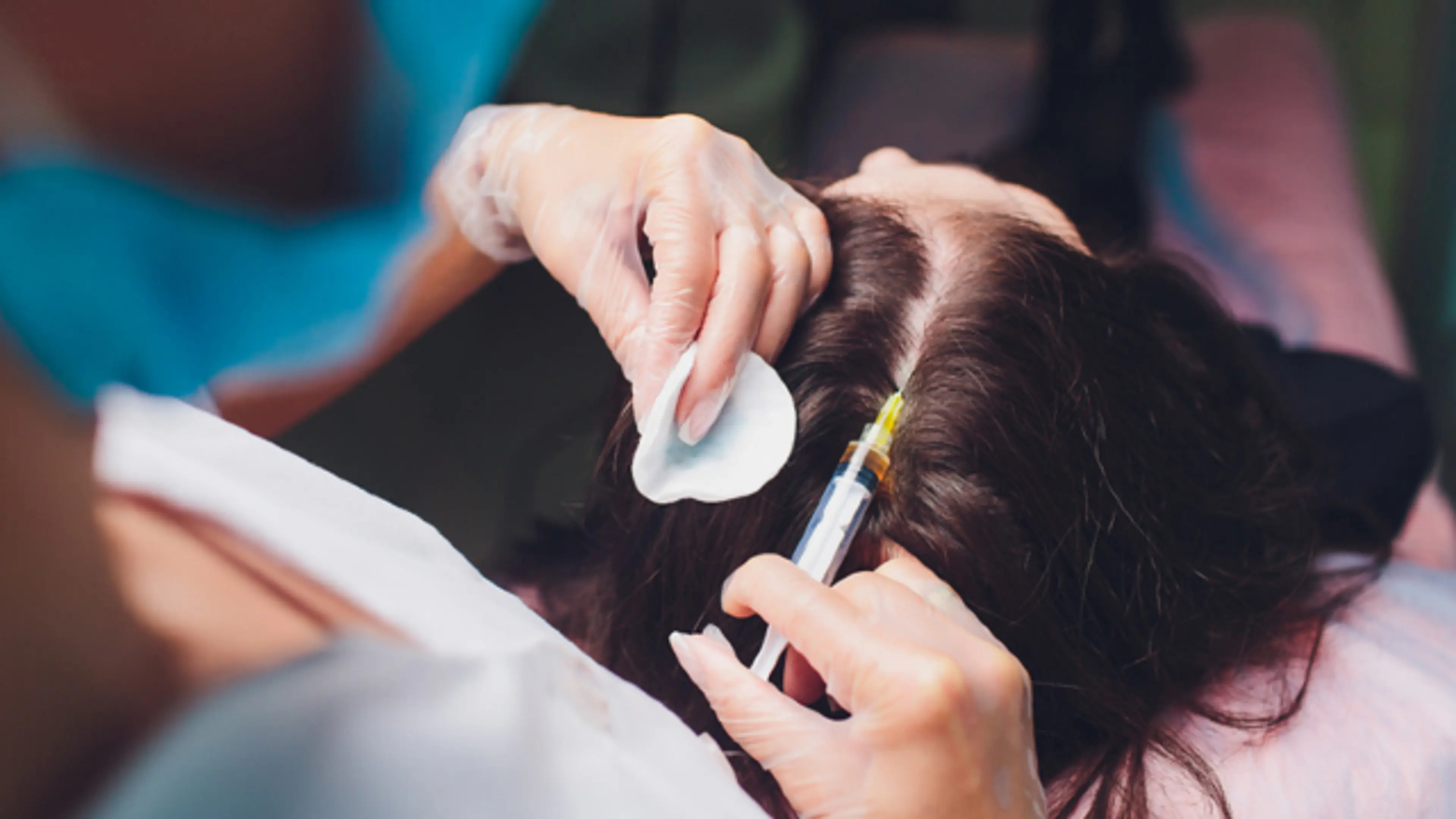
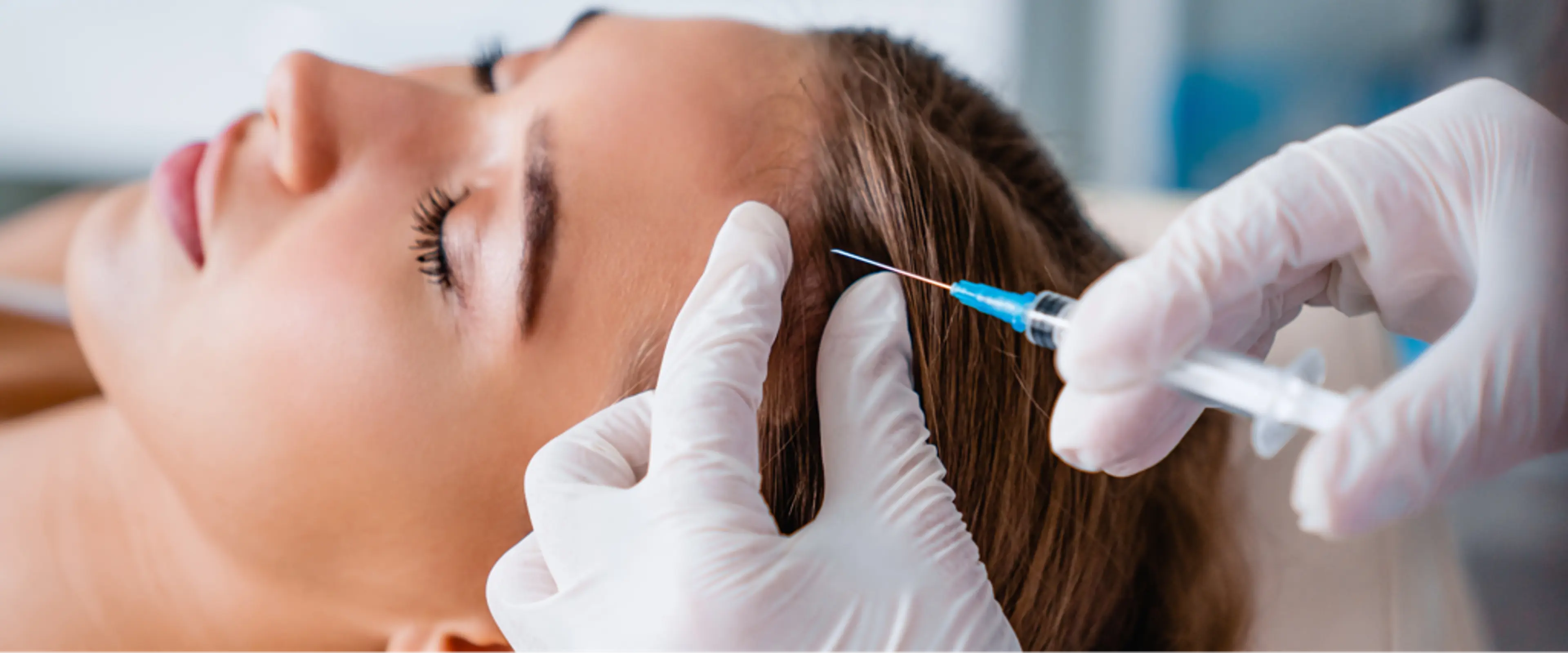
Platelet-rich plasma therapy works by drawing a small sample of the patient's own blood, processing it through a centrifuge to concentrate the platelets, and then injecting that concentrated plasma directly into the scalp at the level of the hair follicles. The platelets release growth factors, including platelet-derived growth factor (PDGF), vascular endothelial growth factor (VEGF), and epidermal growth factor (EGF), which stimulate dormant follicles, improve blood supply to the scalp, and extend the anagen phase, which is the active growth phase of the hair cycle.
The platelet concentration difference is the most clinically significant distinction between PRP hair loss Korea protocols and what the majority of US aesthetic clinics deliver. Korean clinical standards target 4 to 6 times the patient's baseline platelet concentration. Many US med-spa PRP kits achieve only 2 to 3 times baseline. This is not a minor variation. Growth factor delivery to the follicle is directly proportional to the platelet concentration achieved, which means a patient receiving a lower-concentration PRP session is receiving a meaningfully different treatment even if the procedure looks identical from the outside.
Session frequency also differs. The Delight Dermatology Clinic protocol typically recommends three to four sessions spaced four weeks apart for optimal follicle response. For patients traveling from the United States who are making a single trip to Seoul, the clinic designs a condensed protocol that includes two sessions during the visit, spaced three to five days apart, followed by one to two follow-up sessions either at a partner clinic in the US or on a return trip. This approach is specifically designed for the international patient who cannot simply return to Seoul every four weeks.
Adjunct therapies are another area where the Korean protocol diverges significantly from US practice. At Delight Dermatology Clinic, PRP is routinely combined with scalp mesotherapy, which involves microinjections of vitamins, amino acids, and hair growth factors directly into the scalp, and with low-level laser therapy (LLLT), which increases cellular energy production in the follicle and enhances the absorption of growth factors delivered through PRP. This combination is rarely offered as a coordinated package at US clinics and represents a meaningful clinical advantage for patients who receive it.
Every patient who receives PRP at Delight Dermatology Clinic also leaves with a prescription topical scalp care protocol for use during the months after returning to the United States, ensuring that the treatment environment created in Seoul is maintained at home.
One of the most important things any clinician can do for a hair loss patient is set an honest, grounded timeline for results. PRP therapy for hair growth is not a procedure with immediate visible outcomes, and patients who understand this are far more likely to stay the course and achieve meaningful results.
On the day of the session, the scalp will show mild redness and pinpoint tenderness at injection sites. These effects resolve within a few hours and do not require downtime. Most patients return to normal activities the same day. During the first four weeks after treatment, the growth factor cascade is being established at the follicle level. No visible change during this period is completely normal and expected. This is the stage where many patients who received US-based PRP without adequate preparation assumed the treatment had not worked.
By months two and three, most patients begin to notice a reduction in the amount of hair shedding in the shower or on the brush. This is an early and encouraging indicator that the follicle environment is responding. The primary visible improvement window occurs between months three and five, when hair density increases, hair diameter improves, and the part-line widening that many women notice first begins to diminish. Full primary results are visible at month six. In good responders, PRP produces a density improvement of 20 to 40 percent. A maintenance session is recommended at nine to twelve months to sustain those results over time.
Timeframe | What Happens Clinically | What the Patient Notices |
|---|---|---|
Day of session | Scalp injections administered; mild redness | No visible change; minor tenderness |
Week 1 to 4 | Growth factor cascade begins at follicle level | No visible change — this is normal |
Month 2 to 3 | Reduced shedding, follicle activation begins | Less hair in brush and shower drain |
Month 3 to 5 | Density and diameter improvement | Visible hairline and part-line improvement |
Month 6 | Full primary results visible | 20 to 40% density improvement in good responders |
Month 9 to 12 | Maintenance session recommended | Sustained results with follow-up protocol |
The single most common mistake in hair loss care is selecting a treatment before confirming a diagnosis. Different types of hair loss have different causes, different clinical presentations, and different optimal treatments. A protocol designed for androgenetic alopecia will not meaningfully address telogen effluvium. Treating alopecia areata with PRP alone, without immune modulation, is unlikely to produce lasting results. Alopecia treatment Korea at Delight Dermatology Clinic begins with a structured diagnostic process that determines not just what type of hair loss you have, but what is driving it at a systemic level.
Understanding where your hair loss fits clinically is the foundation of an effective treatment plan. The four most common presentations treated at Delight Dermatology Clinic in Seoul are androgenetic alopecia, telogen effluvium, alopecia areata, and traction alopecia.
Androgenetic alopecia, also called female pattern hair loss in women, presents as diffuse thinning at the crown and a widening part line rather than a receding hairline. It is the most common type of hair loss in women in the late 30s to mid-40s demographic and is driven by a combination of genetics and hormonal sensitivity to dihydrotestosterone (DHT). This type of alopecia responds very well to the combined PRP plus topical protocol at Delight Dermatology Clinic, particularly when treatment begins before significant follicle miniaturization has occurred.
Telogen effluvium is a stress-triggered or postpartum form of hair shedding that occurs when a large proportion of follicles enter the resting phase simultaneously. It is often described as diffuse shedding across the entire scalp rather than thinning concentrated at the crown. While telogen effluvium can resolve on its own over six to twelve months, the Korean protocol at Delight Dermatology Clinic significantly accelerates the recovery timeline by creating a growth-stimulating environment at the follicle level through PRP and scalp mesotherapy. This is highly relevant for women who have experienced postpartum hair loss or who are navigating the compounding stress of a demanding professional career.
Alopecia areata is an immune-mediated condition in which the body's immune system attacks hair follicles, causing patchy, often circular areas of hair loss. This condition requires a different treatment approach than androgenetic alopecia or telogen effluvium, including intralesional corticosteroid injections and, in some cases, immune modulation. Delight Dermatology Clinic treats alopecia areata as a distinct clinical entity with its own dedicated protocol.
Traction alopecia results from chronic mechanical tension on the hair follicles caused by tight hairstyles such as high ponytails, braids, or extensions worn repeatedly over months or years. Treatment focuses on follicle recovery and PRP-based stimulation of damaged follicles along the hairline and temples.
Alopecia Type | Characteristics | Best Treatment at Delight Dermatology Clinic |
|---|---|---|
Androgenetic Alopecia | Crown thinning, widening part line, DHT sensitivity | PRP plus topical protocol and oral medication |
Telogen Effluvium | Diffuse shedding across scalp, postpartum or stress-triggered | PRP plus mesotherapy and nutritional support |
Alopecia Areata | Patchy circular loss, immune-mediated | Intralesional corticosteroids and immune modulation |
Traction Alopecia | Hairline and temple damage from styling tension | PRP stimulation and follicle recovery protocol |
The diagnostic process at Delight Dermatology Clinic is more thorough than what most US patients have previously experienced. Every initial consultation begins with trichoscopy, which is a non-invasive scalp imaging technique that allows Dr. Yun Sang Youl or Dr. Hui Young Shin to assess follicle miniaturization, the ratio of terminal to vellus hairs, scalp inflammation, and overall hair density without requiring a biopsy. Trichoscopy provides a precise visual map of the scalp that guides treatment placement and helps establish a baseline for measuring future improvement.
All new hair loss patients also receive a blood panel analysis that includes thyroid function markers (TSH, T3, and T4), ferritin, vitamin D, zinc, and a hormonal panel. These markers are ordered to rule out systemic causes of hair loss before any treatment begins, because prescribing PRP to a patient whose hair loss is driven primarily by a thyroid disorder or iron deficiency will produce suboptimal results. When the diagnosis remains uncertain after trichoscopy and bloodwork, a scalp biopsy is available and performed in-clinic.
Every patient receives a formal written diagnostic report and a recommended treatment protocol after their consultation. This written protocol is provided in English and can be shared with a US-based physician, which supports continuity of care after the patient returns home. Scalp treatment Seoul Korea at Delight Dermatology Clinic is never a one-size-fits-all menu selection. It is an individually designed clinical plan based on confirmed diagnosis.
Why do so many women in their late 30s and early 40s begin experiencing accelerated hair thinning despite maintaining a generally healthy lifestyle? The answer is almost always multifactorial. Postpartum hormonal shifts, the gradual decline of estrogen that begins in the perimenopause years, elevated cortisol from chronic professional stress, and nutritional depletions from years of under-eating or restrictive dietary patterns all intersect to create a scalp environment that is increasingly hostile to hair follicle health.
This demographic responds particularly well to the combined PRP plus mesotherapy protocol practiced at Delight Dermatology Clinic because the treatment addresses both the follicle-level growth signals and the scalp-level microenvironment simultaneously. A realistic outcome for a woman in her late 30s to mid-40s with diffuse thinning is a meaningful improvement in hair density, hair diameter, and part-line fullness within three to five months of beginning treatment, provided she starts before the thinning has progressed to significant follicle loss. Female pattern hair loss Korea treatment is most effective as an early intervention, not a last resort.
Hair transplant surgery represents the most definitive solution for hair loss in patients with a stable donor area and a clearly defined loss pattern. Hair transplant Seoul cost is one of the most searched terms by American patients who are weighing their surgical options, and for good reason. The price difference between Seoul and New York for the same procedure is substantial, and understanding exactly what you are paying for in each location is essential to making an informed decision.
The two hair transplant techniques most widely performed at Delight Dermatology Clinic are Follicular Unit Extraction (FUE) and Direct Hair Implantation (DHI), and the distinction between them matters clinically for different patient profiles.
FUE involves the individual extraction of follicular units from the donor area, typically at the back and sides of the scalp where hair is genetically resistant to DHT. Each follicular unit is extracted using a micro-punch tool, leaving only small circular marks that heal without a linear scar. The extracted grafts are then implanted into channels created in the recipient area. FUE is the most versatile technique and is appropriate for most hair loss patterns with adequate donor density. Recovery typically takes seven to ten days before the scalp is presentable, and full graft survival is assessed over the following twelve months.
DHI, which stands for Direct Hair Implantation, uses a specialized device called the Choi implanter pen, which allows the surgeon to extract and implant each graft in a single motion without pre-creating channels in the recipient area. This technique allows for higher density implantation in a given area and gives the surgeon more precise control over the angle, depth, and direction of each graft, which is particularly important for natural-looking hairline design. Recovery is comparable to FUE.
It is worth addressing a point that is rarely raised honestly in hair transplant content: diffuse female pattern hair loss is often not the ideal candidate profile for hair transplant surgery as a first intervention. Women with diffuse thinning across the crown frequently lack a stable donor area with sufficient density to provide meaningful graft coverage, and the ongoing nature of androgenetic alopecia means that transplanted hair may be surrounded by continuing native hair loss. For this patient profile, Dr. Yun Sang Youl's clinical recommendation is typically to pursue a PRP plus medication protocol first, with transplant surgery reserved for cases where non-surgical options have been fully optimized and the loss pattern has stabilized.
The table below provides an honest, itemized comparison of hair transplant Seoul cost at Delight Dermatology Clinic versus New York clinic averages. All figures are in USD and reflect 2026 pricing.
Procedure Detail | Seoul — Delight Dermatology Clinic | New York Clinic Average |
|---|---|---|
FUE Per Graft | $1.50 to $3.50 | $5 to $10 |
DHI Per Graft | $2.00 to $4.00 | $6 to $12 |
1,500 Graft Session (FUE) | $2,250 to $5,250 | $7,500 to $15,000 |
2,500 Graft Session (FUE) | $3,750 to $8,750 | $12,500 to $25,000 |
Consultation Fee | $50 to $100 | $200 to $500 |
Post-Op Care Kit | Included | Often separate |
What is included in the quoted price at Delight Dermatology Clinic covers anesthesia, the full surgical procedure, a post-operative care kit, and a follow-up consultation. What is not included in the quoted price covers flights, accommodation, prescription medications during recovery, and a second-session touch-up if required after the primary grafts have grown in.
The key candidacy criteria for hair transplant surgery are a stable donor area with sufficient graft density, a hair loss pattern that has stabilized or can be reliably predicted, realistic expectations about coverage and density outcomes, and in most cases, an age of at least 35 with a loss pattern that has been present for at least two to three years. Patients who are still in an active phase of rapid hair loss are generally advised to stabilize with medication before proceeding to transplant surgery.
For women with diffuse female pattern hair loss, the recommendation at Delight Dermatology Clinic is to begin with the non-surgical protocol. PRP, mesotherapy, and prescription medication can produce meaningful hair density improvement Seoul results in this demographic, and many patients find that a surgical transplant becomes unnecessary once the non-surgical approach is fully implemented. The virtual consultation process is the most efficient first step to determine candidacy before booking flights or making any financial commitment.
The prescription medications used at Delight Dermatology Clinic are selected based on each patient's clinical diagnosis, blood panel results, and hormonal profile. The core medications used across the hair loss protocols are as follows.
Minoxidil is available in Korea in both topical 5% formulation and as an oral low-dose option ranging from 0.25 to 1.25mg for female patients. Oral low-dose minoxidil has become one of the most clinically supported tools for female pattern hair loss in the past several years, and its availability in Korea in this formulation is an advantage for US patients, as access to oral minoxidil at low doses remains more restricted in the United States. The clinical evidence for oral minoxidil in female pattern hair loss is growing and includes multiple peer-reviewed studies demonstrating meaningful hair density improvement with a favorable side effect profile at low doses.
Finasteride is a 5-alpha reductase inhibitor that blocks the conversion of testosterone to DHT and is primarily used for male androgenetic alopecia treatment. Delight Dermatology Clinic follows international clinical guidelines on finasteride prescribing and does not routinely recommend it for premenopausal women due to the risk of hormonal side effects and potential teratogenicity.
Dutasteride is a stronger 5-alpha reductase inhibitor than finasteride and is available in Korea for male patients who have shown an inadequate response to finasteride Korea dermatologist prescribing. It is not typically prescribed to premenopausal women.
Spironolactone is an anti-androgen medication that is particularly relevant for women experiencing hormonally-driven hair loss. It works by blocking androgen receptors at the follicle level, reducing the DHT sensitivity that drives female pattern hair loss. Korean dermatologists routinely prescribe spironolactone alongside PRP for female patients with androgenetic alopecia and hormonal thinning, and it is a medication that many US-based dermatologists are also familiar with, which simplifies continuation of care after returning home.
Nutritional supplementation is also integrated into every Korean dermatology protocol at Delight Dermatology Clinic. This includes targeted supplementation based on the patient's blood panel, typically addressing ferritin, vitamin D, and zinc deficiencies that are common contributors to hair loss in the 35 to 50 demographic. This is an area that is frequently overlooked in US hair loss care.
Medication | Korean Availability | US Availability | Cost Comparison |
|---|---|---|---|
Topical Minoxidil 5% | Widely available, prescription or OTC | Widely available OTC | Significantly less expensive in Korea |
Oral Minoxidil 0.25 to 1.25mg | Available by dermatologist prescription | Limited; not widely prescribed | Lower cost in Korea |
Finasteride 1mg | Available by dermatologist prescription | Available by prescription | Comparable; Korea often less expensive |
Dutasteride 0.5mg | Available by dermatologist prescription | Limited US prescribing | Less expensive in Korea |
Spironolactone | Available by dermatologist prescription | Available by prescription | Comparable; sometimes less expensive in Korea |
US Customs and Border Protection permits the importation of prescription medications for personal use in quantities up to a 90-day supply, provided the patient carries a written prescription and a letter from the prescribing physician. Delight Dermatology Clinic provides every patient with a written prescription and a medication summary in English at the time of discharge, specifically to facilitate smooth re-entry to the United States with any medications purchased during the visit.
Patients are encouraged to coordinate their medication continuation with a US-based dermatologist or general practitioner after returning to New York. Delight Dermatology Clinic provides a coordination letter on request that can be shared directly with the US physician, explaining the diagnosis, the treatment protocol, and the specific medications and dosages prescribed during the Seoul visit. Minoxidil Korea prescription costs, even after currency conversion, are typically significantly lower than US pharmacy pricing, which means purchasing a supply during the visit is a financially sensible decision for most patients.
It is important to note that patients should never self-medicate based on general information. All prescriptions issued at Delight Dermatology Clinic are the result of a full board-certified clinical assessment conducted by Dr. Yun Sang Youl or Dr. Hui Young Shin.
The logistics of a medical travel trip are often the final barrier between a patient who is interested in hair loss treatment Seoul and one who actually books. This section removes that barrier entirely by providing a concrete, step-by-step overview of everything a US patient needs to plan, prepare, and complete a hair loss treatment visit to Delight Dermatology Clinic in Seoul.
The recommended trip duration depends on the treatment type. For a PRP course, a five to seven day trip allows for two PRP sessions spaced three to five days apart, plus recovery time, a follow-up scalp check, and time to enjoy Seoul itself. For patients undergoing a hair transplant, a seven to ten day visit is recommended to allow for the surgery day and at least seven days of initial recovery before flying, as cabin pressure changes and physical stress during the first week are best avoided.
Regarding visa requirements, US citizens traveling to South Korea for stays of up to 90 days are currently exempt from the standard K-ETA requirement through an ongoing exemption extended by the Korean Ministry of Justice. This means most American patients can board their flight without any advance visa application. Travelers should confirm the current exemption status via the US Embassy in Seoul prior to booking, as this status is subject to periodic renewal.
The best area to stay in Seoul for patients visiting Delight Dermatology Clinic is Gangnam-gu, specifically within the Apgujeong or Cheongdam neighborhoods, which place the clinic within a short taxi ride or walking distance and surround the patient with the broader ecosystem of Korean wellness, skincare, and dining that makes a medical travel trip genuinely enjoyable rather than purely clinical. Comfortable hotels in this area range from $150 to $350 per night, covering options from modern boutique properties to international business hotel brands. Flights from New York JFK to Seoul Incheon (ICN) take approximately fourteen hours direct and are operated by Korean Air, Asiana Airlines, and United Airlines. Round-trip economy fares typically range from $1,200 to $1,800, with business class running $3,500 to $5,500.
Trip Purpose | Recommended Days | Key Activities | Estimated Total Cost (USD) |
|---|---|---|---|
PRP Course (2 sessions) | 5 to 7 days | 2 PRP sessions, scalp follow-up, consultation | $2,500 to $5,500 including flights and hotel |
Hair Transplant | 7 to 10 days | Surgery, recovery monitoring, post-op check | $5,000 to $12,000 including flights and hotel |
PRP plus Medication Protocol | 5 to 7 days | PRP, blood panel, prescription consultation | $2,500 to $5,500 including flights and hotel |
Comprehensive Diagnostic Visit | 3 to 4 days | Trichoscopy, blood panel, written protocol | $1,800 to $3,500 including flights and hotel |
The medical tourism Seoul hair treatment journey at Delight Dermatology Clinic begins long before you board a flight. The four-step pre-travel process is designed so that every patient arrives in Seoul with a confirmed diagnosis, a clear treatment plan, and a cost estimate already in hand.
Step one is to book a free virtual consultation via Zoom with Delight Dermatology Clinic. Time slots are available in the evenings on weekdays and on weekends to accommodate US Eastern and Pacific time zones. Step two involves sharing three to five photographs of your scalp and hair loss pattern in good lighting, along with a completed medical history form in English that covers current medications, supplements, past hair loss treatments, and relevant health history. Step three is receiving a written preliminary treatment recommendation and cost estimate in USD from the clinic, based on the photographs and medical history provided. Step four is confirming appointment dates and booking travel. Delight Dermatology Clinic holds appointment slots for virtual-consult patients for fourteen days after the preliminary recommendation is issued.
Before traveling for PRP treatment, patients are advised to avoid blood-thinning supplements including fish oil, aspirin at high doses, and vitamin E for seven days before the session, as these can reduce platelet function and impact the quality of the PRP concentrate. Patients should arrive with a clean, product-free scalp on treatment days. No specific dietary restrictions apply.
The care relationship with Delight Dermatology Clinic does not end when you board the return flight. Virtual follow-up appointments are scheduled at four weeks, three months, and six months post-treatment via Zoom, allowing Dr. Yun Sang Youl or Dr. Hui Young Shin to review photographic progress, adjust the medication protocol if needed, and plan next steps. A WhatsApp support channel is available for any questions or concerns in the days immediately following return to the United States, with a response time commitment of within four hours during business hours.
All aftercare instructions and scalp care protocols are provided in writing in English at discharge, and a coordination letter for the patient's US-based dermatologist is available on request. Patients are taught a photographic comparison protocol at discharge, covering the same lighting angle and time of day, which allows meaningful visual comparison of before and after results across the six-month assessment window.
The clinical team at Delight Dermatology Clinic is built around two board-certified dermatologists with complementary specializations and a shared philosophy of conservative, evidence-based, individually-designed treatment.
Combined, the two physicians represent over two decades of clinical dermatology experience. Every PRP session, scalp analysis, and medication consultation at Delight Dermatology Clinic is physician-performed, not delegated to technicians or aestheticians. This is a non-negotiable clinical standard at the clinic and one of the most meaningful differentiators from the med-spa model that dominates the US hair loss treatment market.
Delight Dermatology Clinic's hair loss treatment philosophy is built on four pillars: integration, conservatism, honesty, and patient-centered design. Integration means that no patient receives a single-modality treatment when a coordinated protocol will produce superior results. Every treatment plan combines diagnostic assessment, procedural treatment (PRP or transplant), adjunct therapy (mesotherapy, LLLT), and prescription medication management into a unified protocol. Hair density improvement Seoul results are consistently stronger when these elements work together than when any single element is applied in isolation.
Conservatism means that treatment recommendations are based on clinical diagnosis and realistic outcome modeling, not on revenue optimization. Dr. Yun Sang Youl has declined to recommend hair transplant surgery to patients who arrived requesting it when his clinical assessment indicated that non-surgical approaches were the more appropriate first step. This approach reflects the clinic's long-term orientation toward patient outcomes over short-term procedure volume.
Female hair loss specialization is a genuine priority at Delight Dermatology Clinic, not a marketing claim. The hormonal complexity of hair loss in the 35 to 50 demographic, the intersection of postpartum recovery, perimenopause, stress physiology, and genetic predisposition, requires a clinical depth that most hair loss clinics simply do not offer. Delight Dermatology Clinic has built its female hair loss protocol around this complexity.
All patient records and treatment photographs are held in strict confidence. No treatment images are used on social media or in any external materials without explicit written patient consent. This privacy commitment is particularly important for professional patients who value discretion as much as clinical outcomes.
Delight Dermatology Clinic offers a complete English-language patient care experience designed specifically for the needs of US patients managing treatment from across the Pacific. All consultations, treatment explanations, written protocols, and aftercare instructions are delivered in English. A dedicated English-speaking patient coordinator is available to all US patients from the point of first inquiry through the final virtual follow-up appointment.
Communication with the clinic is available via WhatsApp, email, and Zoom. Email inquiries receive a response within 24 hours. WhatsApp messages receive a response within four hours during business hours. A 24-hour emergency contact line is available for any post-treatment concerns arising within the first 72 hours after a procedure. Hair loss consultation Seoul at Delight Dermatology Clinic is designed to feel as accessible and supported as working with a local physician, regardless of the distance.
The first step toward hair loss treatment Seoul at Delight Dermatology Clinic requires no travel, no financial commitment, and no generic intake form. The free virtual consultation is conducted via Zoom and is available to all US patients at no charge. During the consultation, Dr. Yun Sang Youl or Dr. Hui Young Shin will review your hair loss history, discuss your current medications and supplements, assess the scalp photographs you have submitted in advance, provide a preliminary clinical diagnosis, and outline a specific treatment recommendation with a cost estimate in USD.
To book your consultation, you can complete the consultation request form on the Delight Dermatology Clinic website, reach out via email, or send a message via WhatsApp. A Zoom link will be provided upon confirmation of your appointment time. Available slots include weekday evenings and weekend times designed to accommodate both US Eastern and Pacific time zones. Before your consultation, prepare three to five photographs of your scalp taken under good natural lighting from different angles, including a top-down view of the crown, a photograph of the part line, and images of the hairline if relevant. Have your current medication and supplement list ready to share.
After your virtual consultation, you will receive a written treatment recommendation, a cost estimate in USD, a suggested trip duration, and two to three appointment date options for your Seoul visit. If you choose to confirm a date, Delight Dermatology Clinic will hold your appointment slot for fourteen days while you finalize travel arrangements. A pre-travel preparation guide will be sent via email upon appointment confirmation, covering the supplements to avoid before PRP, scalp preparation instructions for the days leading up to your session, and a packing list for your trip.
Hair loss treatment Seoul at Delight Dermatology Clinic is performed by board-certified dermatologists following international clinical standards. PRP therapy, scalp treatments, and prescription medications are all administered following a full clinical assessment. Korean dermatology hair loss care is physician-led, diagnostically thorough, and supported by rigorous post-treatment protocols. American patients receive written aftercare instructions, virtual follow-up appointments, and a WhatsApp support channel for any concerns after returning home.
Most patients undergoing PRP hair loss Korea treatment require a minimum of three to four sessions spaced four weeks apart to achieve visible hair density improvement. Good responders typically notice meaningful results between months three and five after beginning treatment. PRP therapy for hair growth is not a one-session solution, and Delight Dermatology Clinic designs a realistic multi-session plan for every patient, including a condensed protocol for those visiting Seoul on a single trip.
PRP hair loss Korea therapy uses the patient's own platelet-rich plasma, concentrated from a blood draw and injected into the scalp to stimulate follicle activity through growth factor release. Mesotherapy delivers a microinjected cocktail of vitamins, amino acids, and hair growth factors directly into the scalp tissue to nourish the follicle environment. At Delight Dermatology Clinic, scalp treatment Seoul Korea protocols often combine both modalities in a single session, as they address different but complementary aspects of follicle health.
Yes. Alopecia treatment Korea at Delight Dermatology Clinic includes a dedicated protocol for female pattern hair loss Korea, which is the clinic's most commonly treated hair loss presentation in international female patients. The protocol typically combines PRP, scalp mesotherapy, and prescription medication including spironolactone or oral minoxidil, tailored to the individual's hormonal profile and blood panel results. Treatment is most effective when begun before significant follicle loss has occurred.
Hair transplant Seoul cost at Delight Dermatology Clinic ranges from $1.50 to $3.50 per graft for FUE and $2.00 to $4.00 per graft for DHI. A 1,500-graft FUE session costs approximately $2,250 to $5,250 in Seoul compared to $7,500 to $15,000 at a New York clinic. Hair loss treatment cost Korea is consistently 60 to 70 percent lower than equivalent procedures in New York, even before accounting for the comprehensive post-operative care included in Seoul pricing.
Patients should inform Delight Dermatology Clinic of all current medications and supplements during the virtual consultation. For hair loss treatment Seoul that includes PRP, blood-thinning supplements such as fish oil, aspirin, and vitamin E should be paused seven days before the session. Minoxidil Korea prescription use and most other hair loss medications do not need to be discontinued before PRP. Dr. Yun Sang Youl will provide specific pre-treatment guidance based on your individual medication history.
Yes, in most cases. US Customs and Border Protection permits the import of prescription medications for personal use in quantities up to a 90-day supply with a valid prescription and physician letter. Delight Dermatology Clinic provides every patient with both documents in English at discharge. Minoxidil Korea prescription costs and finasteride Korea dermatologist pricing are significantly lower in Seoul than at US pharmacies, making it worthwhile to purchase a supply during your visit. Always carry medications in their original packaging when traveling.
Most patients can fly home the day after a PRP scalp treatment session. Hair loss treatment Seoul PRP involves no surgical incisions, no general anesthesia, and no physical restriction that would make air travel unsafe within 24 hours. Medical tourism Seoul hair travel logistics are one of the practical advantages of choosing PRP over surgical options, as the recovery does not require an extended Seoul stay. Delight Dermatology Clinic recommends scheduling your return flight the day after your final PRP session to allow for any post-session scalp redness to fully resolve.
The scalp analysis at Delight Dermatology Clinic begins with trichoscopy, which is a non-invasive digital imaging technique that reveals follicle miniaturization, scalp inflammation, hair density per square centimeter, and the ratio of terminal to vellus hairs. Alopecia treatment Korea diagnosis at the clinic also includes a blood panel assessing thyroid function, ferritin, vitamin D, zinc, and hormonal levels. Scalp treatment Seoul Korea at Delight Dermatology Clinic is never initiated without a full diagnostic picture, ensuring that the treatment protocol addresses the actual clinical drivers of your hair loss.
The key determinant of hair transplant Seoul cost candidacy is whether the patient has a stable donor area with sufficient graft density to cover the areas of loss. Hair transplant surgery is most appropriate for patients with a well-defined, stabilized loss pattern, adequate donor density, and realistic expectations about coverage outcomes. Alopecia treatment Korea at Delight Dermatology Clinic begins with a diagnostic consultation that will assess candidacy honestly, including recommending PRP as the more appropriate first intervention for patients with diffuse thinning who are not yet optimal transplant candidates.
Yes. Hair loss treatment Seoul at Delight Dermatology Clinic begins with a free virtual consultation via Zoom, available to all US patients. Time slots are designed to accommodate US Eastern and Pacific time zones. During the consultation, you will receive a preliminary clinical assessment, a treatment recommendation, and a cost estimate in USD, all before booking any travel. Hair loss consultation Seoul has never been more accessible for American patients than it is through this process.
Hair transplant Seoul cost includes post-operative care, and recovery after FUE or DHI at Delight Dermatology Clinic follows a well-defined protocol. Days one through three typically involve mild scalp tenderness, swelling along the forehead, and small crusting around graft sites. By day seven to ten, most patients feel comfortable being seen publicly, though full graft integration takes three to four months. Hair loss treatment Seoul transplant patients are advised to remain in Seoul for at least seven days post-surgery before flying, and to follow the written aftercare protocol provided at discharge.
Yes. Postpartum hair loss, which is a form of telogen effluvium triggered by the hormonal shift following delivery, responds well to PRP hair loss Korea treatment at Delight Dermatology Clinic. While postpartum telogen effluvium often resolves on its own within six to twelve months, PRP significantly accelerates follicle reactivation and reduces the duration and severity of shedding. Alopecia treatment Korea for postpartum hair loss also typically includes nutritional supplementation targeting ferritin and vitamin D, which are commonly depleted in the postpartum period and directly impact hair follicle health.
Hair loss treatment Seoul at Delight Dermatology Clinic includes virtual follow-up appointments at four weeks, three months, and six months post-treatment via Zoom. A WhatsApp support channel is available for immediate questions after returning home. Written aftercare instructions, a prescription medication summary, and a coordination letter for your US-based physician are all provided in English at discharge. Medical tourism Seoul hair care coordination does not end at the clinic door, and the post-return support protocol is one of the most tangible differentiators between Delight Dermatology Clinic and clinics that offer no structured follow-up.
For hair loss treatment Seoul that includes PRP, patients should avoid blood-thinning supplements for seven days before the session, wash and arrive with a clean product-free scalp on treatment days, and stay well-hydrated in the days leading up to the appointment to support healthy blood draw and platelet quality. Hair loss consultation Seoul preparation also includes completing the medical history form and submitting scalp photographs in advance of the virtual consultation, so that Dr. Yun Sang Youl or Dr. Hui Young Shin arrives at the in-person appointment with a preliminary clinical picture already established.
Hair loss treatment Seoul at Delight Dermatology Clinic represents a clinically advanced, physician-led alternative to standard US treatments at 60 to 75 percent lower cost, making the investment in a Seoul trip genuinely worthwhile even when flights and accommodation are factored into the total. The clinic's fully integrated diagnostic and treatment protocol, combining PRP, scalp mesotherapy, trichoscopy-based diagnosis, and prescription medication management, addresses hair loss at every level simultaneously rather than treating it as a single-modality problem. Female hair loss in the 35 to 45 age range responds particularly well to this combined Korean protocol, especially when treatment begins before significant follicle loss has occurred. The free virtual consultation process means you can receive a personalized treatment plan and cost estimate in USD before you book a single flight, eliminating the financial uncertainty that often delays the decision.
He brings over 10 years of clinical experience in dermatology and hair loss treatment, with advanced clinical training completed at the Mayo Clinic in the United States. Dr. Yun is a member of major Korean and international dermatology societies and specializes in laser dermatology, anti-aging skin care, androgenetic alopecia treatment, and acne treatment.