Home / Articles
Fractional CO2 Laser for Skin Resurfacing
Home / Articles
Fractional CO2 Laser for Skin Resurfacing
To be honest, this treatment is not a trend or a quick aesthetic fix. It’s a medical procedure that works by reshaping the skin’s structure itself. When done correctly, it can deliver some of the most meaningful improvements we see in dermatology — particularly for scars, wrinkles, and overall skin quality.
This guide explains what fractional CO₂ laser truly does, who it’s best for, how recovery works, and why expertise matters more than the machine itself.
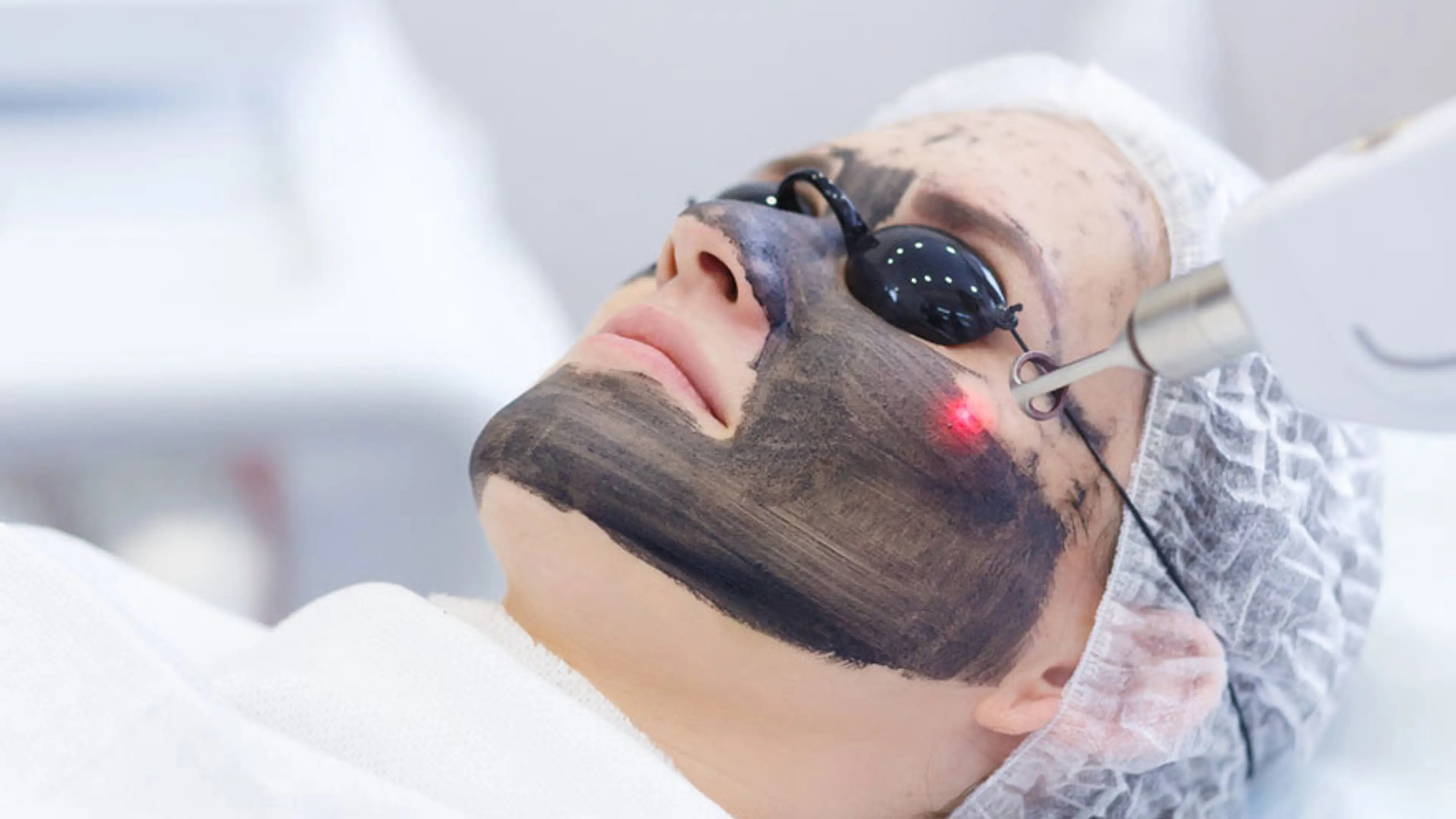
Each micro-column penetrates through the epidermis and into the dermis, while surrounding skin remains intact. This intact skin plays a critical role — it accelerates healing and reduces complications.
Clinically, fractional CO₂ laser is used to improve:
Acne scars and surgical scars
Fine lines and deeper wrinkles
Rough or uneven skin texture
Sun damage and photoaging
Enlarged pores
Certain types of pigmentation irregularities
Fractional CO₂ laser creates precise micro-injuries. These are not accidental or excessive — they are carefully calibrated to trigger the body’s natural healing response. Once the laser energy reaches the dermis, several things happen:
Growth factors are released
Fibroblast cells are activated
New collagen and elastin production begins
A helpful analogy is scaffolding: aging, scarring, and sun damage weaken the support structure under the skin. Fractional CO₂ doesn’t just repaint the surface — it rebuilds that scaffolding.
At the same time, the top layer of skin regenerates more evenly. This improves brightness, smoothness, and overall tone. Many patients notice their skin reflects light differently after healing — a quality often described as healthier or more refined, rather than simply “tighter.”
Laser resurfacing is not one-size-fits-all. Understanding where fractional CO₂ fits among other options is important.
Fractional CO₂ laser is most effective for patients with:
Moderate acne scarring
Fine lines and early to moderate wrinkles
Uneven skin texture
Sun-damaged or dull skin
Realistic expectations and the ability to commit to aftercare
However, not everyone should undergo this treatment immediately.
We approach treatment cautiously in patients with:
Active acne or skin infections
Recent isotretinoin (Accutane) use
Very dark skin tones, due to higher pigmentation risk
Pregnancy or certain autoimmune conditions
This is why consultation with a dermatologist matters. Proper assessment allows us to adjust energy levels, density, and treatment depth — or recommend alternative approaches when appropriate.
Preparation may include:
A thorough skin evaluation
Sun avoidance and diligent sunscreen use
Temporary discontinuation of irritating skincare
In some cases, pigment-suppressing agents before treatment
Good preparation significantly reduces the risk of complications.
A topical anesthetic — and sometimes nerve blocks — are used for comfort. The laser is passed systematically across the treatment area. Most patients describe the sensation as intense warmth or snapping, but tolerable with proper anesthesia.
Treatment typically lasts between 30 and 60 minutes.
Immediately afterward, the skin will be red, warm, and swollen. This is expected.
Over the next several days, you may experience:
Redness and swelling
Flaking or crusting
Tightness and sensitivity
Strict sun protection and proper wound care are essential during this period. Most patients can return to daily activities within about a week, though residual redness may persist longer.
This is one of the most important — and misunderstood — aspects of fractional CO₂ laser.
The best results are not instant. They develop gradually as your skin rebuilds itself.
Fractional CO₂ laser often works best as part of a broader skin plan rather than a standalone procedure.
It may be combined with:
Neuromodulators for expression lines
Dermal fillers for volume loss
PRP to support healing and regeneration
Medical-grade skincare for maintenance
Combination therapy allows us to address texture, tone, movement, and volume — each with the most appropriate tool.
When performed correctly, fractional CO₂ laser is safe. Still, it carries potential risks:
Prolonged redness
Temporary or persistent pigmentation changes
Infection (rare)
Delayed healing
These risks are minimized through:
Individualized laser settings
Proper pre-treatment conditioning
Detailed aftercare instructions
Close follow-up
In our experience, complications are far more likely when treatments are performed without sufficient medical oversight or when aftercare is neglected.
Dermatologist-led care ensures:
Accurate diagnosis of skin concerns
Safe selection of candidates
Customization based on skin type and healing response
Proper management of pigmentation risks
Long-term planning rather than one-off treatments
We often meet patients who have had previous laser treatments elsewhere but never achieved optimal results simply because the treatment plan was incomplete or improperly calibrated.
If you feel that your skin concerns are deeper than what topical treatments can reach — whether it’s acne scarring, early aging, or texture that doesn’t reflect how you feel — fractional CO₂ laser may be worth considering.
If you’d like, I can also:
Shorten this for a website landing page
Adapt it for international patients
Optimize it further for SEO keywords
Rewrite it in a more conversational or more clinical tone