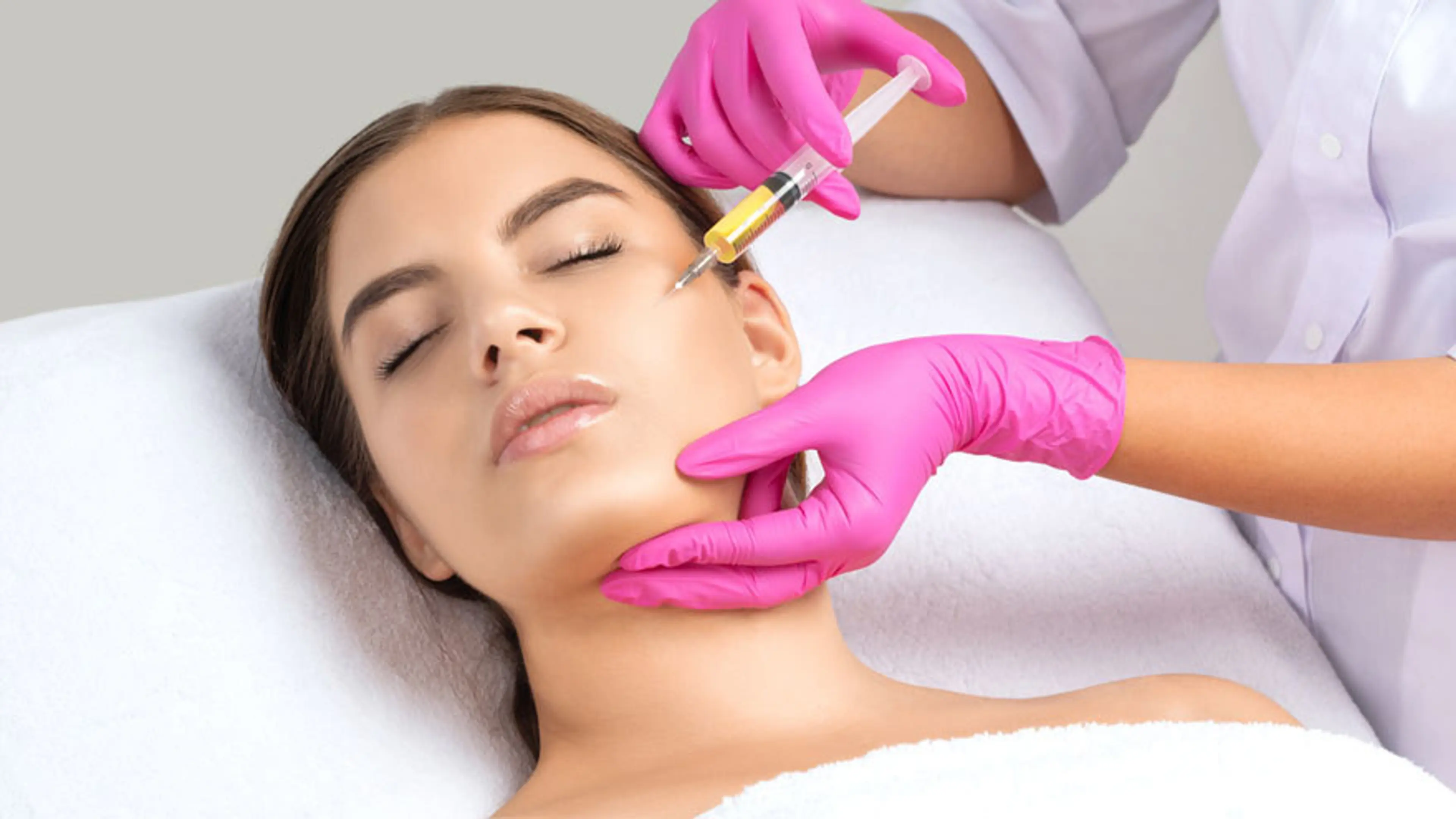
Introduction: Why “Looking Rested” Matters More Than Looking Younger
introduction:-why-"looking-rested"-matters-more-than-looking-younger“I don’t want to look different. I just want to look rested again.”
This single sentence captures a quiet but powerful shift in modern aesthetic medicine. Patients today are not asking to look younger in an obvious or exaggerated way. Instead, they want their face to reflect how they feel—healthy, energetic, and confident—without losing their identity.
In clinical reality, facial aging is rarely sudden. It happens gradually, often in ways that are hard to pinpoint. Patients notice they look tired even after good sleep, or that their face seems heavier despite no weight change. These changes are subtle, cumulative, and structural.
Dermal fillers, when used thoughtfully, are not about adding volume for its own sake. They are about
restoring balance and support, allowing the face to regain its natural proportions. When performed by
trained dermatologists, fillers become a precise medical tool—one that works with anatomy rather than against it.
This article explains:
What dermal fillers actually do
Why facial volume loss is central to visible aging
How natural-looking filler results are achieved
When fillers are appropriate—and when they are not
The goal is not transformation, but restoration.
1. What Are Dermal Fillers?
1.-what-are-dermal-fillersDermal fillers are injectable medical devices designed to:
Replace lost facial volume
Reinforce weakened structural support
Reduce shadows and contour irregularities caused by aging
The most commonly used fillers worldwide are hyaluronic acid (HA)–based. Hyaluronic acid is a naturally occurring substance found in the skin, joints, and connective tissue. In youthful skin, HA plays a key role in:
As HA levels decline with age, the skin does not simply wrinkle—it loses its underlying support. This is why patients often say their face looks “flat,” “sunken,” or “collapsed” rather than just lined.
A helpful way to understand this:
Dermal fillers address the structure, not just the surface.
2. Why Facial Volume Loss Happens
2.-why-facial-volume-loss-happens
One of the most important concepts in facial aging—and one that patients often overlook—is that aging occurs in layers, not just on the skin.
The main contributors to volume loss include:
the-main-contributors-to-volume-loss-include:Bone Resorption
Over time, the facial skeleton slowly loses density. This changes the shape of the eye sockets, cheeks, and jawline, reducing the framework that once supported soft tissue.
Fat Pad Atrophy and Descent
Facial fat is not evenly distributed. It exists in distinct compartments that provide contour and lift. With age:
This redistribution creates hollows in some areas and heaviness in others.
Collagen and Elastin Breakdown
The skin itself becomes thinner and less resilient. Even when volume is present, weakened skin may not hold shape as effectively.
Because of these combined changes, patients often experience:
Hollow temples and under-eye areas
Flattened or deflated cheeks
Deepening nasolabial folds
A tired, stern, or aged facial expression
While skincare can improve hydration and texture, it cannot rebuild missing structural support. Energy-based treatments can tighten skin, but they do not replace lost volume. Dermal fillers are uniquely positioned to address this gap.
3. The Medical Philosophy Behind Natural-Looking Fillers
3.-the-medical-philosophy-behind-natural-looking-fillersAt Delight Dermatology Clinic, filler treatment is guided by a structural and conservative philosophy. Natural results are the outcome of planning, not chance.
Principle 1: Structure Comes Before Lines
principle-1:-structure-comes-before-linesA common mistake in filler treatment is focusing solely on visible wrinkles. Injecting directly into lines without addressing the underlying cause often leads to:
Overfilled or puffy areas
Distorted facial proportions
Short-lived or unstable results
Instead, we prioritize deep support in key structural zones—such as the midface, temples, and jawline. Once these areas are properly supported, many surface wrinkles soften naturally, often requiring little or no direct treatment.
Principle 2: Conservative Volume Is Strategic, Not Minimal
principle-2:-conservative-volume-is-strategic-not-minimalThere is a misconception that natural results come from using as little filler as possible. In reality, natural outcomes come from using the right amount, in the right place, at the right depth.
Effective filler treatment often involves:
Conservative initial correction
Gradual refinement over time
Allowing tissues to settle and adapt
Maintenance is not about repeated overfilling. It is about preserving facial balance as aging continues.
Principle 3: Natural Faces Are Not Perfectly Symmetrical
principle-3:-natural-faces-are-not-perfectly-symmetricalAbsolute symmetry can look artificial and unnatural. Every face has subtle asymmetries influenced by:
A trained dermatologist accounts for these differences, adjusting injection technique and volume distribution accordingly. This level of customization is essential for results that look natural both at rest and in motion.
4. Common Treatment Areas and Their Purpose
4.-common-treatment-areas-and-their-purpose
Midface (Cheeks)
midface-(cheeks)The midface is often the foundation of a filler treatment plan. Proper support here can:
Restore youthful cheek contour
Reduce the appearance of nasolabial folds
Improve under-eye hollowing
Provide lift to the lower face
Treating the midface first often reduces the need for filler elsewhere.
Temples
templesTemple hollowing is common in patients in their late 30s to 50s, especially those with slimmer facial structures. Loss of volume here can make the face appear:
Gaunt
Aged
Chronically fatigued
Restoring temple volume helps rebalance the upper face and improves overall harmony.
Jawline and Chin
jawline-and-chinStrategic filler placement in the lower face can:
In carefully selected patients, this can reduce the appearance of jowling without surgery.
Nasolabial Folds
nasolabial-foldsThese folds are often a symptom rather than the root problem. Treating them directly without restoring midface support can lead to heaviness around the mouth. For this reason, they are best addressed after structural correction.
5. A Common Misunderstanding Among Patients
5.-a-common-misunderstanding-among-patientsMany patients request filler based on what they see in the mirror. Clinically, however, aging is often something patients feel before they fully see it.
Common statements include:
This paradox occurs when volume shifts downward. Strategic filler placement can reverse this effect, making the face appear lighter, sharper, and more refreshed, even though volume has been added.
This is why filler treatment should never be approached as simple “plumping.” It is about redistributing support.
6. Safety: Why the Injector Matters More Than the Filler Brand
6.-safety:-why-the-injector-matters-more-than-the-filler-brandAll dermal fillers are temporary.
Complications are not.
While modern fillers are highly refined, risks such as vascular occlusion or skin injury depend largely on:
At dermatologist-led clinics:
Treatments are performed by board-certified physicians
Facial anatomy is carefully assessed before injection
Conservative, reversible approaches are prioritized
Choosing a clinic based solely on cost increases risk. Filler treatment should always be viewed as a medical procedure, not a cosmetic commodity.
7. How Dermal Fillers Fit Into a Broader Anti-Aging Plan
7.-how-dermal-fillers-fit-into-a-broader-anti-aging-planDermal fillers are most effective when integrated into a comprehensive skin strategy.
Fillers restore volume and structure
Skin-tightening treatments improve laxity
Collagen-stimulating procedures enhance firmness and texture
Botulinum toxin softens dynamic expression lines
When combined thoughtfully, these treatments support one another, producing results that are more natural and longer-lasting than any single procedure alone.
8. What Results Can You Expect?
8.-what-results-can-you-expectPatients can typically expect:
Immediate improvement with continued refinement over 2–4 weeks
Natural appearance during facial movement
Longevity of approximately 9–18 months, depending on product, placement, and metabolism
The best results are subtle. Friends may comment that you look healthier or more rested, without identifying a specific treatment.
9. Who Is a Good Candidate for Dermal Fillers?
9.-who-is-a-good-candidate-for-dermal-fillersYou may be a suitable candidate if:
Your face looks tired despite consistent skincare
You notice hollowing or flattening rather than only fine lines
You prefer non-surgical rejuvenation
You value a medically guided, long-term approach
A thorough consultation is essential to determine whether fillers—or another treatment—are the best option for your goals.
Final Thoughts: Restoring Harmony, Not Chasing Youth
final-thoughts:-restoring-harmony-not-chasing-youthDermal fillers are not about erasing age. They are about restoring harmony between structure, skin, and expression.
If you feel hesitant because of unnatural results you’ve seen elsewhere, that hesitation is valid. Natural outcomes require medical expertise, anatomical understanding, and restraint.
For patients considering dermal fillers in Seoul—particularly in Gangnam—a dermatologist-led clinic offers the safest and most effective path. At
Delight Dermatology Clinic, fillers are not treated as a trend, but as part of a personalized, long-term skin health partnership.
The goal is simple:
to help you look like yourself again—refreshed, balanced, and confident.