Introduction
introduction:-the-challenge-of-aging-gracefully-in-a-fast-paced-worldWritten from the perspective of dermatologists at Delight Dermatology Clinic — where medical precision meets personalized skin transformation.
A woman in her mid-40s sits with me, frustration in her eyes: “I’ve tried every serum, every cream — but my fine lines and dullness just won’t budge. What actually works?” If you’re asking that same question, you’re not alone. In Seoul’s beauty-obsessed culture, many patients feel overwhelmed by endless products — yet underwhelmed by results.
At Delight Dermatology Clinic in Gangnam, we see this every day: patients who’ve honed elaborate routines but still struggle with the visible signs of aging. The truth is simple — and a little humbling: skincare is not just about products. It’s about science-driven treatments, personalized strategies, and consistent skin health over time.
In this article, we’ll guide you through the best anti-aging treatments available today, explain why they work at a biological level, and help you understand which options are most effective for your unique skin.
Why Skin Ages: A Simple Breakdown
why-skin-ages:-a-simple-breakdownBefore exploring treatments, it helps to understand why skin ages in the first place.
Collagen Loss: The Core Culprit
collagen-loss:-the-core-culpritImagine your skin as a building. Collagen and elastin are the architectural scaffolding that keep it firm and resilient. As we age — particularly after the mid-20s — collagen production slows. Over time, this loss leads to:
Fine lines and wrinkles
Sagging skin
Loss of firmness
Sun Damage & Oxidative Stress
sun-damage-and-oxidative-stressUltraviolet (UV) rays are one of the most powerful accelerators of aging. UV exposure breaks down collagen and creates free radicals — unstable molecules that damage skin cells from within. That’s why sun protection isn’t optional — it’s foundational.
Repeated Facial Movements
repeated-facial-movementsSmiling, frowning, squinting — even everyday expressions create lines over decades. Some are superficial; others etch deeper grooves called dynamic wrinkles.
Lifestyle & Environment
lifestyle-and-environmentSmoking, poor sleep, high stress, pollution — these all contribute to aging at a cellular level.
Core Principles of Effective Anti-Aging Care
core-principles-of-effective-anti-aging-careAt our clinic, we always start with these guiding principles:
Stimulate the skin’s repair mechanisms, not just coat it.
Use evidence-based technologies that reach deeper layers of the skin.
Balance rejuvenation with maintenance — long-term progress, not quick fixes.
Top Clinical Anti-Aging Treatments
top-clinical-anti-aging-treatments
Below are the most effective, dermatologist-grade treatments for younger-looking skin — explained in a way that you can make informed choices.
1. Fractional Laser Resurfacing
1.-fractional-laser-resurfacingWhat It Does
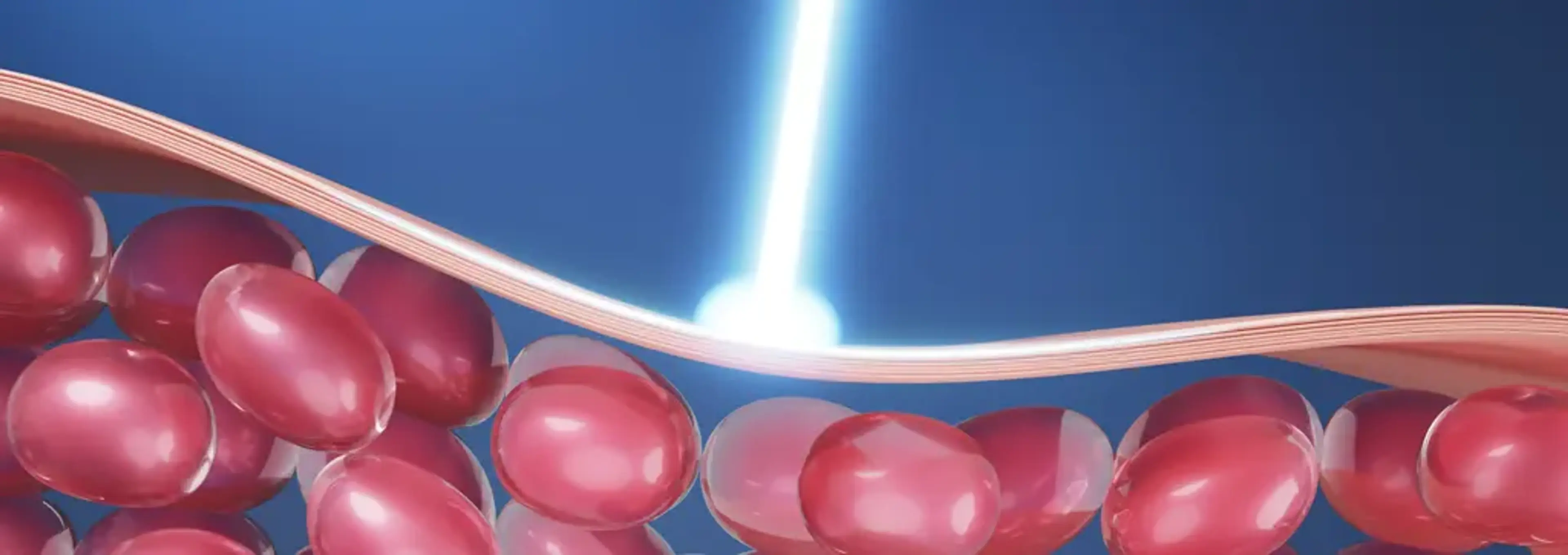
what-it-doesFractional lasers create tiny, controlled micro-injuries in the skin. These stimulate new collagen production and improve texture.
Why It Works
why-it-worksUnlike topical products that only affect the surface, fractional lasers trigger a wound-healing response in deeper dermal layers. The result? Smoother skin, reduced fine lines, and improved radiance.
Best For
best-forRecovery
recoveryMost patients experience redness and mild swelling for 2–5 days.
2. Ultrasound & Radiofrequency (e.g., Ulthera, Thermage)
2.-ultrasound-and-radiofrequency-(e.g.-ulthera-thermage)What It Does
what-it-doesThese devices target deeper layers of tissue — including the SMAS layer (the same layer modified in surgical facelifts).
Why It Works
why-it-worksUltrasound or radiofrequency energy heats deep tissue, encouraging collagen remodelling without cutting the skin.
Best For
best-forSkin laxity
Jowls
Jawline definition
Neck tightening
Recovery
recoveryMinimal downtime — you can often return to daily activities immediately.
3. Microneedling With Radiofrequency (e.g., Potenza)
3.-microneedling-with-radiofrequency-(e.g.-potenza)What It Does
what-it-doesMicroneedles create micro-injuries while delivering radiofrequency energy deeper into the dermis.
Why It Works
why-it-worksThe combination boosts collagen and elastin more intensely than either treatment alone — especially helpful for deeper lines and texture irregularities.
Best For
best-forModerate wrinkles
Large pores
Acne scars
Uneven texture
Recovery
recoveryRedness for 1–3 days; makeup can usually be applied after 24 hours.
4. Injectables — Botox and Fillers
4.-injectables-botox-and-fillersBotox:
botox:A neuromodulator that relaxes muscles responsible for dynamic wrinkles (like crow’s feet and frown lines).
Dermal Fillers:
dermal-fillers:Hyaluronic acid or other biocompatible materials add volume beneath the skin.
How it helps: Smooths deeper folds, restores cheek volume, and can subtly lift areas of the face.
Duration: Depending on the filler — 6–18 months.
These are not “anti-aging magic quick fixes” but powerful tools when used judiciously and expertly.
5. Chemical Peels
5.-chemical-peelsWhat They Do
what-they-doA solution is applied to exfoliate the outermost layers of skin, encouraging regeneration.
Why They Work
why-they-workBy removing dull, sun-damaged cells, peels reveal brighter skin and help with fine lines, pigmentation, and texture issues.
Best For
best-for
6. Topical Retinoids
6.-topical-retinoidsWhat They Do
what-they-doRetinoids (e.g., tretinoin, adapalene) regulate skin cell turnover and stimulate collagen.
Why They Matter
why-they-matterAmong all skincare actives, retinoids have the most robust evidence for anti-aging — improving fine lines, tone, and firmness over time.
How to Use
how-to-useStart with lower concentrations; apply at night; always wear sunscreen. Sensitivity is common if introduced too quickly.
Personalized Treatment Plans: Why One-Size Doesn’t Fit All
personalized-treatment-plans:-why-one-size-doesn't-fit-all
Here’s a truth many patients don’t hear enough:
❝ Aging doesn’t happen the same way for everyone. ❞
Two people in their 50s might have completely different concerns — one with volume loss and sagging, another with fine lines and stubborn pigmentation. That’s why personalized plans matter.
At Delight Dermatology Clinic, we evaluate:
From there, we build a tailored program — often combining multiple modalities over several sessions — for natural yet noticeable results.
At-Home Skincare: What Actually Helps
at-home-skincare:-what-actually-helpsClinical treatments are powerful — but real longevity starts with an effective home routine:
1. Daily Sunscreen
1.-daily-sunscreenThis isn’t negotiable. UV rays directly accelerate collagen breakdown. A broad-spectrum SPF 50+ is ideal.
2. Antioxidants (Vitamin C)
2.-antioxidants-(vitamin-c)These help neutralize free radicals and support brighter, more even tone.
3. Retinoid at Night
3.-retinoid-at-nightAs discussed, this boosts cell turnover and collagen — but you must use it consistently and with proper guidance.
4. Hydrators (Hyaluronic Acid, Ceramides)
4.-hydrators-(hyaluronic-acid-ceramides)Hydrated skin looks plumper and healthier — a great foundation for all anti-aging efforts.
What to Expect: Realistic Timelines
what-to-expect:-realistic-timelinesAnti-aging isn’t an overnight miracle. Here’s a realistic timeframe:
First 2–4 weeks: Subtle improvements in texture and radiance
6–12 weeks: Noticeable collagen stimulation
3–6 months: Longer-term structural changes (especially with ultrasound/radiofrequency)
Continuous: Maintenance and refinement
Patience — and consistency — are essential.
Common Myths About Anti-Aging
common-myths-about-anti-agingLet’s clear up a few misconceptions:
“Expensive creams can replace dermatology treatments.”
"expensive-creams-can-replace-dermatology-treatments."No topical cream can stimulate deep collagen the way clinical devices can.
“I’m too young for anti-aging.”
"i'm-too-young-for-anti-aging."Prevention — especially sun protection and antioxidants — pays dividends later.
“Once you start treatments, you can stop.”
"once-you-start-treatments-you-can-stop."Aging is continuous. Like fitness, skincare requires ongoing attention.
When to See a Dermatologist
when-to-see-a-dermatologistIf you’re ready to address:
…then it’s time for a dermatologic assessment.
An expert evaluation helps you avoid unnecessary—or ineffective—treatments and gives you a roadmap tailored to your skin’s biology.
Final Thoughts: Aging Gracefully, Not Abruptly
final-thoughts:-aging-gracefully-not-abruptlyAnti-aging skin care isn’t about turning back the clock to your 20s. It’s about:
Improving skin health from the inside out
Enhancing your natural features
Delaying future damage
Feeling confident and radiant at every age
You deserve a plan that respects your unique skin, your goals, and your lifestyle.
If you’ve been frustrated by aging signs despite diligent skincare, consider a personalized program at a dermatologist-led clinic like
Delight Dermatology — where global expertise meets boutique care.