Introduction
introduction:-aging-gracefully-not-artificiallyExpert Insights from Delight Dermatology Clinic, Seocho-gu, Gangnam
If you’ve ever looked in the mirror and felt that your skin looked dull, uneven, or just “tired,” you’re not alone. Many patients — even those who are diligent about skincare — reach a point where topical creams and exfoliants simply aren’t enough. At this stage, dermatologists often recommend an advanced chemical peel, a scientifically guided way to reset and renew the skin’s surface.
At Delight Dermatology Clinic in Gangnam, we often describe chemical peels as “skin reboot therapy.” It’s not about stripping the skin — it’s about carefully orchestrating regeneration. Done correctly, a peel can restore luminosity, smooth texture, and correct stubborn pigmentation in ways that at-home products never can.
What Exactly Is an Advanced Chemical Peel?
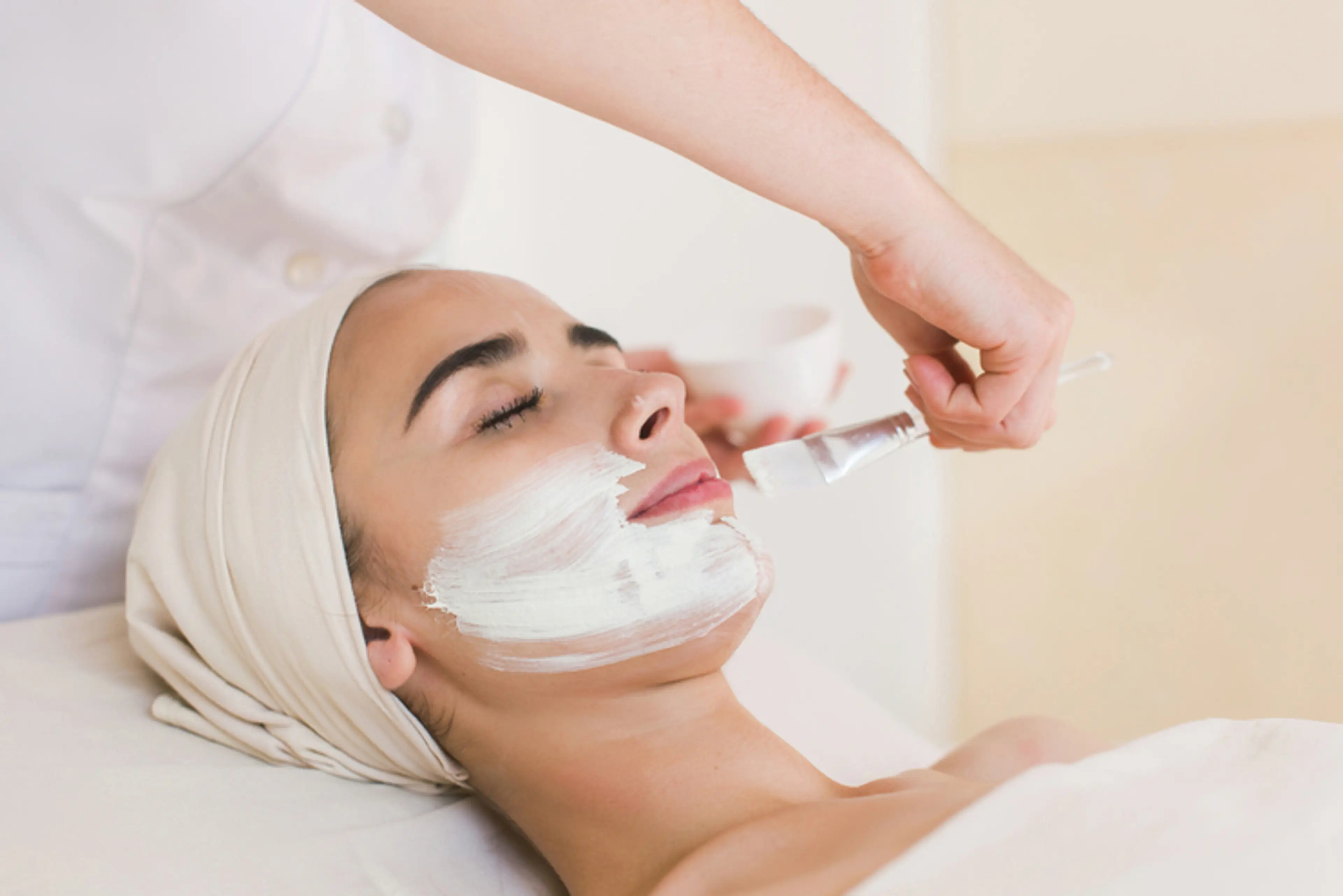
what-exactly-is-an-advanced-chemical-peelA chemical peel is a dermatological procedure that uses a customized solution of exfoliating agents to remove damaged layers of skin. Depending on the formulation and depth, the peel can target surface issues like rough texture, acne, or pigmentation — or penetrate deeper to improve wrinkles, acne scars, and uneven tone.
At Delight Dermatology, we use the term “advanced chemical peel” to describe physician-led peels that combine scientific precision with medical-grade ingredients. Unlike spa peels or at-home acids, these treatments are performed under dermatologist supervision with controlled concentrations and advanced protocols that minimize risk while maximizing renewal.
How Chemical Peels Work: Science Beneath the Surface
how-chemical-peels-work:-science-beneath-the-surfaceImagine your skin as a multi-story building. The top floors (epidermis) show wear and tear first — fine lines, pigment spots, and rough patches. Below that, the foundation (dermis) determines structure, elasticity, and glow.
A chemical peel works by temporarily loosening the bonds between old skin cells, encouraging controlled exfoliation. This prompts the skin’s natural repair response, leading to:
Accelerated cell turnover — shedding old cells for a smoother surface.
Collagen stimulation — rebuilding the “scaffolding” beneath the skin.
Improved pigment distribution — fading sunspots, freckles, and post-acne marks.
The key is precision. The right peel doesn’t just resurface the skin — it retrains it to behave like younger, healthier skin.
Types of Peels: From Gentle Refreshers to Transformative Treatments
types-of-peels:-from-gentle-refreshers-to-transformative-treatments
At Delight Dermatology Clinic, we tailor each peel according to skin type, tone, and long-term goals. Korean skin, in particular, tends to be more sensitive to post-inflammatory pigmentation, so customization is crucial.
Here’s how we categorize peels based on depth and purpose:
1. Superficial (Light) Peels
1.-superficial-(light)-peelsThese use mild acids like mandelic, lactic, or glycolic acid to target dullness, clogged pores, and rough texture. They’re often called “lunchtime peels” because there’s little downtime — you can return to daily life immediately.
→ Ideal for: first-time peel patients, acne-prone skin, or those seeking an instant glow before events.
2. Medium-Depth Peels
2.-medium-depth-peelsThese reach the upper dermis using agents like TCA (trichloroacetic acid) or Jessner’s solution. They help fade pigmentation, fine lines, and acne scars. You’ll notice peeling for several days, followed by a renewed, more even tone.
→ Ideal for: sun damage, melasma, and early signs of aging.
3. Deep Peels
3.-deep-peelsPerformed under close medical supervision, deep peels penetrate further to remodel the skin’s architecture. They use stronger TCA or phenol formulations, often reserved for severe wrinkles or scarring.
→ Ideal for: advanced photoaging or patients seeking dramatic, lasting transformation.
In Korea, most patients prefer a series of lighter peels combined with rejuvenation treatments like laser toning, Potenza RF microneedling, or exosome therapy, which yield progressive, natural results without the downtime of a deep peel.
Why Korean Patients Love Combination Peel Programs
why-korean-patients-love-combination-peel-programsWhat many patients in Gangnam discover is that chemical peels are most powerful when integrated into a comprehensive skin program.
At Delight Dermatology, for example, we often combine:
Melanostop Peel + Laser Toning to control pigmentation at multiple skin depths.
Salicylic Acid Peel + LED therapy to calm inflamed acne.
TCA Peel + Exosome treatment for collagen remodeling and healing.
This approach reflects a key philosophy: don’t just remove damaged cells — optimize regeneration. The goal isn’t a temporary “peeling glow,” but long-term skin resilience.
What to Expect: The Treatment Journey
what-to-expect:-the-treatment-journey
Every chemical peel at Delight Dermatology begins with a professional consultation. We analyze the patient’s skin condition using high-resolution imaging and discuss expectations. The steps typically include:
Preparation Phase:
For two weeks prior, patients are advised to avoid strong exfoliants or retinoids.
Sun protection becomes essential, as preconditioned skin responds better.
During the Peel:
The dermatologist cleanses and degreases the skin to ensure even penetration.
The peeling solution is applied for a specific duration — from seconds to minutes — depending on depth and desired effect.
Neutralization and post-care serums follow to calm the skin.
Aftercare:
Light redness or tightness may occur for 1–3 days.
Gentle cleansing, hydration, and SPF 50+ are mandatory.
Peeling usually begins around day 3 and completes by day 7–10, revealing fresh, luminous skin.
Dr. Yun Sang Youl often reminds patients:
“A peel is not the end — it’s the reset point. The way you care for your skin afterward determines how beautifully it renews.”
Common Myths About Chemical Peels
common-myths-about-chemical-peels“Peels make your skin thinner.”
"peels-make-your-skin-thinner."Actually, when done properly, they strengthen the skin by stimulating new collagen. The outer dead layer may shed, but the deeper structure becomes more robust.
“They’re only for fair skin.”
"they're-only-for-fair-skin."This is outdated. Modern Korean dermatology has refined protocols for Asian skin tones, minimizing the risk of hyperpigmentation. At Delight Dermatology, we use buffered acids and post-peel serums designed specifically for melanin-rich skin.
“You’ll be red and flaky for weeks.”
"you'll-be-red-and-flaky-for-weeks."Not true for most advanced peels today. With controlled depth and medical guidance, recovery is swift and predictable.
How Often Should You Get a Chemical Peel?
how-often-should-you-get-a-chemical-peelFrequency depends on skin goals. For general maintenance and glow, monthly light peels are ideal. For pigmentation correction or acne, a series of 3–5 sessions spaced 3–4 weeks apart is typical.
After a treatment cycle, we often recommend switching to collagen-boosting procedures like Thermage FLX, Ulthera, or Potenza RF to sustain firmness and elasticity.
The secret to flawless skin isn’t a single peel — it’s a rhythm of renewal guided by professional care.
The Delight Dermatology Difference
the-delight-dermatology-differenceWhat sets Delight Dermatology Clinic apart is our “precision-with-gentleness” approach. Every peel is:
Dermatologist-supervised: No generic formulas — every solution is custom-mixed per patient.
Device-integrated: We often enhance results with targeted LED, ultrasound, or exosome therapy.
Safety-first: Especially for sensitive or Asian skin types, we prioritize barrier repair and inflammation control.
Dr. Shin Hui Young explains,
“Our goal isn’t to peel more skin — it’s to reveal better skin.” This is why our patients often describe their results not as dramatic, but
effortless: smooth, even, and naturally radiant.
Is a Chemical Peel Right for You?
is-a-chemical-peel-right-for-youIf you’re struggling with:
Persistent pigmentation that doesn’t fade with creams
Post-acne marks and uneven texture
Early signs of aging or dullness
…then an advanced chemical peel program may be an excellent option.
But remember — not all peels are created equal. The real art lies in customization: matching acid type, depth, and post-care to your unique skin biology.
The Path to Flawless Skin
the-path-to-flawless-skinFlawless skin isn’t about perfection — it’s about clarity, confidence, and balance. Chemical peels, when performed by expert dermatologists, can reset your skin’s rhythm, helping it function as it was designed to: renewing itself beautifully.
If you’ve been searching for a science-driven yet gentle way to restore your glow, consider scheduling a private consultation at
Delight Dermatology Clinic in Seocho-gu, Gangnam. Our team of globally trained dermatologists will guide you toward the ideal peel plan — tailored, safe, and elegantly effective.