Introduction
introduction:-aging-gracefully-not-artificiallyAcne itself is temporary — but the scars it leaves behind can feel permanent. At Delight Dermatology Clinic in Gangnam, we meet countless patients who have tried countless creams, lasers, and home remedies hoping to erase those reminders of teenage or adult acne. The truth is, acne scars are complex — and no single treatment can fit everyone. But with today’s advanced dermatologic science, we can rebuild the skin’s foundation rather than just resurfacing its surface.
This article explores how modern acne scar revision works — from the biological process behind scarring to the cutting-edge combination therapies used by dermatologists like Dr. Yun Sang Youl and Dr. Shin Hui Young at Delight Dermatology Clinic.
Understanding Acne Scars: The Skin’s Memory of Inflammation
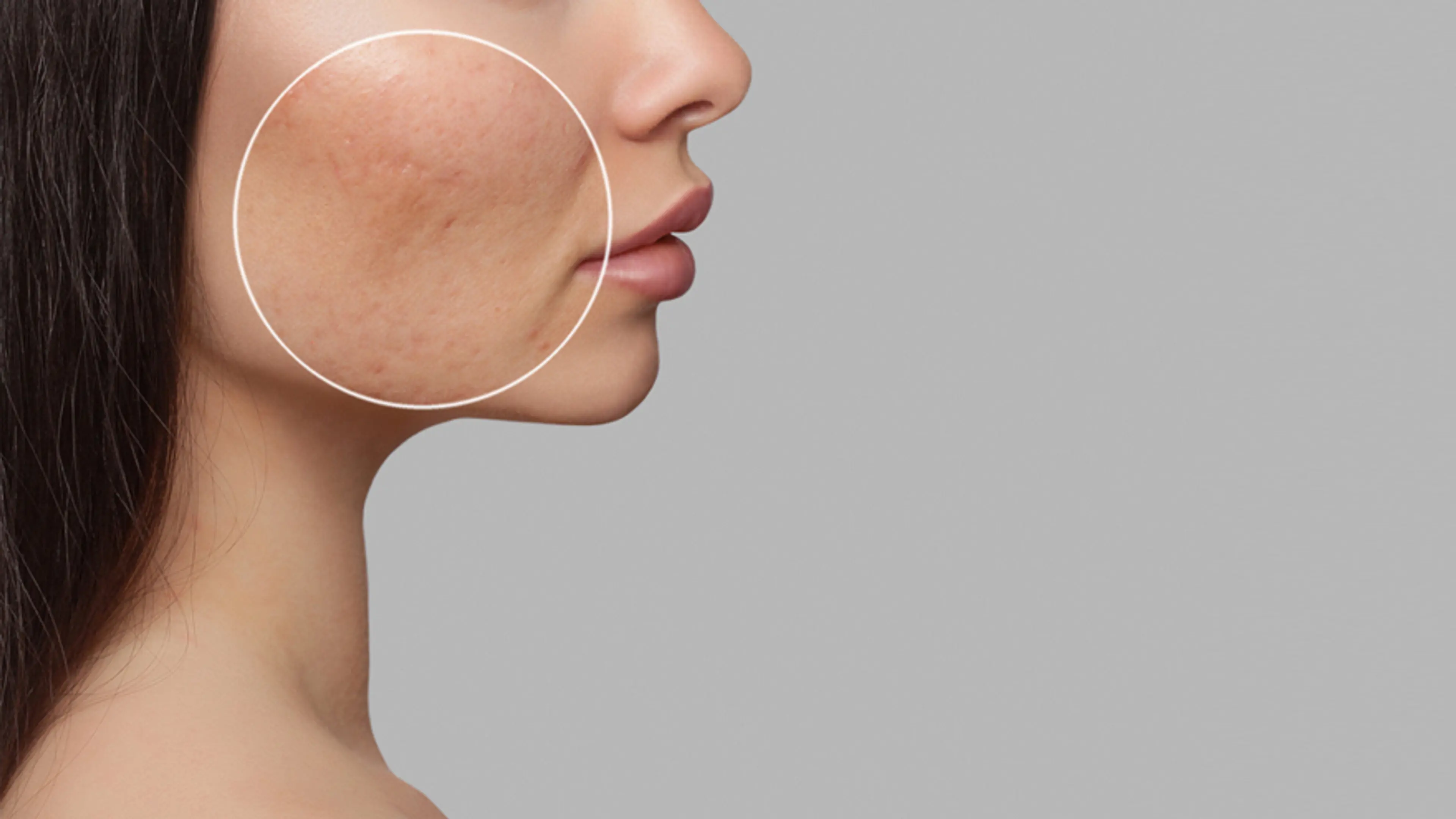
understanding-acne-scars:-the-skin's-memory-of-inflammationWhen acne penetrates deeply into the skin, inflammation destroys the collagen framework that supports smooth texture. During healing, the body tries to repair that structure — but it often lays down collagen unevenly. That’s why we see:
Depressed scars (atrophic): Boxcar, rolling, or icepick types, caused by collagen loss.
Raised scars (hypertrophic): Thicker, over-repaired tissue, more common on the jawline or chest.
Post-inflammatory pigmentation: Brown or red marks that linger after acne clears, often mistaken for true scars.
In other words,
acne scarring is not one problem — it’s a mix of textural, pigmentary, and structural changes. That’s why effective revision must be customized across multiple layers of the skin.
Why One-Time Treatments Don’t Work
why-one-time-treatments-don't-workMany patients visit us after trying one-off laser sessions or at-home microneedling devices. The reason results fall short is simple: scarring involves damage in the dermis, the deeper skin layer that topical products can’t reach. True improvement requires controlled injury and regeneration — guided by precision devices and medical expertise.
To put it another way: if your skin is a building, topical creams only repaint the walls. Real scar revision rebuilds the scaffolding underneath.
Modern Dermatology’s Toolbox for Acne Scar Revision
modern-dermatology's-toolbox-for-acne-scar-revision
At Delight Dermatology Clinic, we design acne scar programs using a layered approach — combining treatments that stimulate collagen, refine texture, and normalize pigmentation. Here are the leading techniques used today:
1. Fractional Radiofrequency Microneedling (Potenza, Sylfirm X)
1.-fractional-radiofrequency-microneedling-(potenza-sylfirm-x)This technology has transformed acne scar care in Korea. It uses ultrafine needles to deliver controlled RF energy into the dermis, heating the tissue and triggering collagen remodeling.
Best for: Rolling and boxcar scars, enlarged pores, and mixed scarring.
Why it works: RF energy tightens existing collagen and encourages new collagen growth without excessive surface damage.
Downtime: Mild redness for 1–2 days, minimal crusting.
Clinic Insight: At Delight Dermatology, we often pair Potenza with exosome serums or regenerative boosters to enhance post-treatment healing and glow.
2. Fractional Laser Resurfacing (Fraxel, CO₂, Er:YAG)
2.-fractional-laser-resurfacing-(fraxel-co-er:yag)Laser therapy remains a cornerstone for acne scar revision — but device choice and parameters matter enormously.
Fractional CO₂ laser: Ideal for deep, pitted scars. It vaporizes micro-columns of damaged skin, allowing new skin to form.
Erbium:YAG laser: Gentler option for superficial scars and fine irregularities.
Fraxel Dual (1550/1927nm): Balances collagen remodeling with pigment correction.
Clinic Tip: For Korean skin types (Fitzpatrick III–IV), we tailor laser depth carefully to prevent post-inflammatory hyperpigmentation — a crucial consideration in Asian patients.
3. Subcision (Mechanical Scar Release)
3.-subcision-(mechanical-scar-release)Some scars remain tethered by fibrous bands beneath the skin. Subcision manually breaks these adhesions using a fine needle, allowing the surface to lift naturally.
Best for: Rolling scars and depressions with shadowing.
Combination: Often paired with fillers or collagen stimulators (such as Sculptra or Rejuran) to support the released tissue.
Recovery: Mild bruising for 3–5 days.
What many patients overlook: Subcision’s success depends on precision and timing — too shallow and it’s ineffective, too deep and bruising increases. That’s why it’s best performed by a dermatologist experienced in scar anatomy.
4. Dermal Fillers and Collagen Stimulators
4.-dermal-fillers-and-collagen-stimulatorsTemporary hyaluronic acid fillers can raise deep scars immediately, while biostimulatory injectables like Sculptra and Rejuran promote long-term collagen renewal.
Ideal for: Rolling or boxcar scars with significant volume loss.
Duration: Fillers last 6–12 months; collagen stimulators can remodel over 1–2 years.
Natural-Looking Results: At Delight Dermatology, we emphasize subtle correction — the goal is smoother skin texture, not an overfilled appearance.
5. Regenerative Biologic Therapies (PRP, Exosomes, Growth Factors)
5.-regenerative-biologic-therapies-(prp-exosomes-growth-factors)Regenerative dermatology is the next frontier in scar revision. Using autologous or bioengineered growth factors, these treatments boost the skin’s healing environment after laser or RF procedures.
PRP (Platelet-Rich Plasma): Uses your own blood plasma, rich in growth factors.
Exosome Therapy: Delivers cell-signaling vesicles that accelerate recovery and collagen formation.
Application: Often applied immediately post-laser or microneedling for enhanced absorption.
Patients often describe their skin as “softer and fresher” just days after these adjunctive therapies.
6. Chemical Reconstruction (CROSS Technique with TCA)
6.-chemical-reconstruction-(cross-technique-with-tca)
For deep, narrow icepick scars, chemical reconstruction offers remarkable improvement. Dermatologists apply high-strength trichloroacetic acid precisely into each scar pit, triggering collagen regeneration from within.
Effectiveness: Excellent for stubborn, vertical scars that lasers can’t reach.
Caution: Must be performed by trained professionals to prevent pigmentary complications.
7. Personalized Combination Programs
7.-personalized-combination-programsIn reality, acne scars rarely respond to a single modality. Delight Dermatology’s signature approach combines modalities — for instance:
Potenza + Subcision + Exosome Therapy for rolling scars.
Fraxel Dual + TCA CROSS for mixed textural and pigmentary scars.
Rejuran + Gentle RF Microneedling for maintenance and prevention of new scars.
Each plan is built around the patient’s scar type, skin sensitivity, and recovery goals — often refined over a series of 3–5 sessions spaced several weeks apart.
The Importance of Collagen Cycling and Maintenance
the-importance-of-collagen-cycling-and-maintenanceWhat many patients don’t realize is that scar remodeling continues for months after each session. Collagen takes time to mature and reorganize — much like cement hardening after a foundation is poured. Regular maintenance, hydration, and sun protection ensure the new collagen remains stable and evenly distributed.
At Delight Dermatology, we often schedule follow-up skin strengthening treatments like exosome facials or gentle lasers every 3–6 months to maintain results and prevent textural relapse.
Managing Expectations: Realistic Healing, Not Perfection
managing-expectations:-realistic-healing-not-perfectionTo be honest, no treatment can completely “erase” acne scars — but modern dermatology can make them almost invisible in daily life. The best outcomes come from consistency, expert customization, and a realistic timeline.
Patients in their 30s–50s often see the most dramatic results when treatments are paired with skin regeneration programs — focusing not just on scars but on restoring overall tone, elasticity, and luminosity.
Why Choose a Dermatologist-Led Clinic
why-choose-a-dermatologist-led-clinicAdvanced acne scar revision requires a nuanced balance between aggressiveness and safety — especially for Korean and Asian skin tones prone to hyperpigmentation.
Dr. Yun Sang Youl, trained at the Mayo Clinic, and Dr. Shin Hui Young bring global-level precision to every case, combining advanced devices like Potenza, Ulthera, and Fraxel with a boutique-style patient experience.
At Delight Dermatology Clinic, each scar treatment is performed by a
board-certified dermatologists, ensuring not only results but also safety, comfort, and continuity of care.
Key Takeaways
key-takeawaysAcne scars result from deep collagen loss — not just surface damage.
Effective treatment targets multiple layers: subcision, laser, RF, and biologic regeneration.
Combination therapy delivers the most natural and long-lasting improvement.
Maintenance and sun care are essential for stable results.
Always choose a clinic that personalizes your treatment plan with medical expertise.
Considering Acne Scar Revision in Seoul?
considering-acne-scar-revision-in-seoulIf you’ve struggled with stubborn acne scars despite years of effort, it may be time for a personalized program led by dermatologists who understand both the science of healing and the artistry of natural results.
Visit
Delight Dermatology Clinic in Seocho-gu, Gangnam — where global training meets Korean skin expertise — and start your journey toward smoother, renewed skin.